HOME RESERVED AREA CONTACTS

FELLOWS

All fellows

Aaron Earl Blair

Aaron Earl Blair

United States of America (USA)

Emeritus

Abdullah Rozaini

Abdullah Rozaini

Malaysia

Dr. Rozaini Abdullah is a distinguished figure in the field of toxicology, currently affiliated with Universiti Putra Malaysia (UPM) and serving as a President of the Malaysian Society of Toxicology (MySOT). With a strong background in toxicological research and academic leadership, Dr. Abdullah has made significant contributions to both academia and industry. Having earned advanced degrees in toxicology from Wageningen University, the Netherlands, Dr. Abdullah possesses a comprehensive understanding of the mechanisms of toxicity and its implications across various sectors including environmental and occupational health. Her research interests encompass a wide range of topics such as natural and food-borne genotoxic and carcinogenic chemicals, and risk assessment methodologies. At UPM, she plays a pivotal role in shaping the next generation of toxicologists and environmental & occupational health practitioner through her mentorship and teaching. Within MySOT, she holds a leadership position, contributing to the advancement of toxicological science in Malaysia. Recently, Dr. Abdullah and her colleagues established an L en R Consulting Visions PLT, a consulting firm that is based in Malaysia that provides education and training especially in toxicology and risk assessment.
Toxicology

Agay-Shay Keren

Agay-Shay Keren

Israel

Albin Maria

Albin Maria

Sweden

Maria Albin, Assistant Professor (Department of Occupational and Environmental Medicine) Ylva

Amster Yonah

Amster Yonah

Israel

Yona (Eric) Amster is a specialist in occupational and environmental medicine, an epidemiology researcher and an environmental and occupational health advocate. He studied biology and medicine at the University of California Berkeley and Davis, and holds a graduate degree in public health from the Harvard School Public Health. Dr. Amster completed his clinical training in occupational and environmental medicine at Harvard University where he was also a post-doctoral research fellow and visiting scientist in the Department of Environmental Health focusing on health effects of heavy metal exposure. Dr. Amster was a Zuckerman Fellow with the Center for Public Leadership at the Harvard Kennedy School of Government. Dr. Amster was awarded a two-year Fulbright Scholar grant from the U.S. Department of State in Israel. Since coming to Israel he has been an instructor at the Hebrew University and Technion Faculties of Medicine and is currently head of the Department of Environmental and Occupational Health at the University of Haifa, School of Public Health. Dr. Amster is also a consultant with the Global Occupational and Worplace Health Unit at the World Health Organization HQ. His research focuses on exposure assessment and health effects from exposure to industrial pollutants and energy production. He is vocal locally, regionally and gloabally in advocating for healthy environments for all people.

Anderson Henry A.

Anderson Henry A.

United States of America (USA)

Dr. Anderson received his M.D. degree in 1972 from the University of Wisconsin-Madison. He was certified in 1977 by the American Board of Preventive Medicine with a sub-specialty in occupational and environmental medicine and in 1983 became a fellow of the American College of Epidemiology. He holds adjunct professorships at the University of Wisconsin-Madison, School of Medicine and Public Health, Department of Population Health Sciences, and the University of Wisconsin Institute for Environmental Studies, Center for Human Studies. In November 2016 he retired from his positions as Wisconsin State Environmental and Occupational Disease Epidemiologist, and Chief Medical Officer in the Wisconsin Division of Public Health, Department of Health Services which he held since 1980. Dr. Anderson currently serves on the USEPA Science Advisory Board, Chemical Assessment Advisory Committee. He was chair of the Environmental Health Committee of the USEPA Science Advisory Board, served on the USEPA SAB Executive Committee and is past Chair of the Board of Scientific Councilors for the National Institute of Occupational Safety and Health. He has served on five National Academies of Science Committees and is currently on the NAS Roundtable on Environmental Health Sciences, Research, and Medicine. He serves on the Presidential Advisory Board on Radiation Worker Compensation. Dr. Anderson is a fellow of the Collegium Ramazzini and the American Association for the Advancement of Science. He is a member and past president of the Council of State and Territorial Epidemiologists (CSTE), and a member of the Association of State and Territorial Health Officials (ASTHO) Environmental Health Policy Committee. He is associate editor of the American Journal of Industrial Medicine. His 46 years of public health practice and scientific research began with an article about his 1971 experiences in Afghanistan during his 3rd year of medical school. Since then he has contributed over 275 peer reviewed articles to help advance public health broadly and specifically occupational and environmental medicine.

Andrade Rivas Federico

Andrade Rivas Federico

Canada

Andrews John S. Jr.

Andrews John S. Jr.

United States of America (USA)

Emeritus

Since May 1998, Dr. John Andrews has been the Assistant Senior Vice President for Medical Center and Director, University Health Services at the University of Cincinnati in Cincinnati, Ohio. He is responsible for the University's compliance with environmental and radiation regulations, directing the employee and student health clinics, and evaluating workers with work-related injuries and illnesses. <br><br>Prior to working at the University of Cincinnati, Dr. Andrews served for 20 years as a Commissioned Corps physician in the U.S. Public Health Service, both at the Centers for Disease Control and Prevention (CDC) and at the Agency for Toxic Substances and Disease Registry (ATSDR). He is Board certified in Internal Medicine, Preventive Medicine, and Occupational Medicine, and Board eligible in Infectious Disease. He has experience in the areas of biological agents, chemical agents, disasters, and public health programs.<br><br>While in the Public Health Service, Dr. Andrews assisted with smallpox irradication in Bangladesh and Somalia. He taught epidemiology in Egypt and Kuwait. While assigned to the Caribbean Epidemiology Centre in Port-of-Spain, Trinidad, Dr. Andrews investigated cases of leprosy, polio, foodborne illness, and suspected environmental illnesses. While assigned to the Minnesota Department of Health he investigated anthrax in cattle; Western, Eastern, and California equine encephalitis; hepatitis; psittacosis, and numerous foodborne outbreaks. <br><br>During Dr. Andrews' Geographic Medicine fellowship at Case Western Reserve University in Cleveland, Ohio, sponsored by the Rockefeller Foundation's "Great neglected Diseases Program," he carried out laboratory studies on giardia. <br><br>From 1985 - 1989, when he began working at the National Center for Environmental Health at the CDC, Dr. Andrews was involved with the investigation of adverse human health effects due to chemical exposures including dioxin and pesticides. When he worked for ATSDR from 1989 - 1998 as the Associate Administrator for Science, he was extensively involved the study of hazardous chemical wastes including a suspected radiation-associated brain cancer cluster, a suspected radiation-associated thyroid cancer, and numerous studies of persons living near hazardous waste sites.<br><br>His involvement in disasters and large public health field activities includes being on duty in the Boston City Hospital Emergency Room when an airliner crashed at the Logan airport in 1973; assessing the post-Hurricane Allen situation in Jamaica with Ministry of Health personnel in 1980; assessing the public health situation in Grenada during the U.S. interdiction in 1983; serving as Chief Public Health Officer for a 13-member PHS team responsible for preventing unnecessary illness and disease for 30,000 scouts and 50,00 visitors at the 1989 and 1993 National Scout Jamborees; being attached to the 352 Civil Affairs Command during the Gulf War to plan for the restoration of public health functions in Kuwait; leading an interagency work group to determine public health activities that the U.S. believed to be needed in Kuwait. <br><br>Dr. Andrews has served on the Risk Assessment Subcommittee of the Committee on the Environment and Natural Resources; the Commissioned Corps Readiness Force Board; Academic Advisory Council, Rollins School of Public Health, Emory University; Selection Board for the Interagency Institute for Federal Health Care Executives; Chair of the Interagency Coordinating Committee for the National Human Exposure Survey; Committee on Ethics and Standards of Practice of the American College of Epidemiology; Los Alamos Cancer Study Steering Committee; Federal Interagency Task Force on Human Exposure. He is a faculty member of Emory University and Mercer University and he has a clinical appointment at the Emory Clinic. He has reviewed articles for the Archives of Environmental Health, the Journal of the American Medical Association, and the Journal of Clinical Epidemiology. He is a member of multiple professional organizations and a fellow of the Royal Society of Tropical Medicine and Hygiene, the American College of Preventive Medicine, and Collegium Ramazzini. <br>

Anwar Wagida A.

Anwar Wagida A.

Egypt

Emeritus

PROF. WAGIDA A. ANWAR<br>M.B.B.Ch, M. Sc., M.D. <br>Professor of Community, Environmental and Occupational Medicine

Aragon Aurora

Aragon Aurora

Nicaragua

Retired but actively involved in occupational epidemiology and health research and education. I graduated as a Medical Doctor in 1984 from the National Autonomous University of Nicaragua. Passionate about advancing occupational health in Nicaragua. Hold a Master's degree in Occupational Epidemiology (1992) and a Ph.D. in Occupational Medicine (2005) from the Karolinska Institute, Sweden. Former Director of the Department of Public Health and Founder/Director of Master courses in Public Health and Occupational Health. Created a training program in Occupational Medicine with support from the Unit of Occupational Medicine, Azienda Ospedaliero Universitaria di Verona, Verona, Italy. Founded and directed the Center for Research in Health, Work, and Environment (CISTA) at UNAN-León, Nicaragua for 15+ years. An active member of the National Council of Health and Safety at Work. Founder and President of a Foundation promoting health and safety for Nicaraguan workers. Established an alliance between universities and unions for the development of occupational health. I received public recognition for advising the Ministry of Labour on Occupational Health and Safety.

Ashford Nicolas A.

Ashford Nicolas A.

United States of America (USA)

Emeritus

-<A href="http://web.mit.edu/ctpid/www/people/Ashford.html"target="_blank">http://web.mit.edu/ctpid/www/people/Ashford.html</A>

Assennato Giorgio

Assennato Giorgio

Italy

Emeritus

Dr. Assennato is General Director of Apulian Environmental Prevention and Protection Agency (ARPA). The General Director is the legal representative of ARPA and takes all steps necessary to ensure its proper management. He is also President of AssoArpa, a non-profit Association for achieving high levels of integration and policy development across all APRA agencies on the national level. Dr. Assenato is trained in occupational medicine and toxicology. He earned his Medical Degree at the University of Bari, Italy and his Doctor of Science and Master of Public Health from the Division of Occupational Medicine, Johns Hopkins University, School of Hygiene and Public Health, Baltimore-USA in 1983.

Au William W.

Au William W.

United States of America (USA)

Emeritus

Dr. Au is Professor in the Department of Preventive Medicine and Community Health at the University of Texas Medical Branch, Galveston, Texas, 775555-1110, USA. At the University, he is also Director of the International Science Outreach Program, Sealy Center for Environmental Health and Medicine. His scientific research interest is in environmental health and carcinogenesis with emphasis on prevention and molecular intervention of disease. He has published over 160 peer-reviewed papers, book chapters and books. He is editor of the International Journal of Hygiene and Environmental Health. He has served on advisory boards of several national and international organizations. He is the chairman of a series of International Conferences on Environmental Mutagens in Human Populations. These conferences were held in Egypt, 1992

Balmes John

Balmes John

United States of America (USA)

Emeritus

Barrett J. Carl

Barrett J. Carl

United States of America (USA)

Emeritus

Bartrem Casey

Bartrem Casey

United States of America (USA)

Casey Bartrem (PhD, RPCV) is Executive Director and Environmental Scientist at TerraGraphics International Foundation (TIFO), an international non-governmental organization that provides assistance to communities in low-income countries to address environmental health challenges associated with mining and recycling. Dr. Bartrem's experience in the field of environmental health includes environmental sampling, risk assessment, community engagement, and health intervention in vulnerable communities around the world. She has worked in Zamfara State, Nigeria to assess and address the worst outbreak of childhood lead poisoning in modern history, partnering with Medecins Sans Frontieres, the United Nations, Centers for Disease Control, World Health Organization, and local, state, and federal Nigerian government personnel. Dr. Bartrem also assists Alta Science and Engineering with quality assurance/quality control and analyses of blood lead/soil lead data for the Bunker Hill Superfund Site, one of the largest contaminated sites in North America. She has worked on human health risk assessments in mining/recycling communities in Kyrgyzstan, Bangladesh, Nigeria, and the United States. She is a visiting lecturer at the American University of Armenia's School of Public Health where she teaches a course in Environmental Health Risk Assessment for the Masters of Public Health Program. From 2007-2009, Dr. Bartrem was a United States Peace Corps Volunteer in the Kingdom of Lesotho, working with communities on grassroots health and development projects.

Baur Xaver

Baur Xaver

Germany

Emeritus

Xaver Baur, MD, has devoted much of his academic career to questions of occupational and environmental medicine. His career research contributions have been mainly in the areas of lung function measurements, occupational asthma, hazardous exposures to inorganic dust, allergens, pollution, chemicals such as isocyanates. In focusing on research and policy he has been addressing questions of relevance to public health and ethics in occupational and environmental health. Xaver Baur retired in 2012. He had chaired university departments of occupational medicine in Bochum and Hamburg, Germany, and is current president of the charity European Society for Environmental and Occupational Medicine which fosters independent research in occupational, public and environmental health

Belpoggi Fiorella

Belpoggi Fiorella

Italy

Fiorella Belpoggi is the Emerita Scientific Director of the Ramazzini Institute, where she served since 1981 up to 2022. She is Member of the Executive Council of the Collegium Ramazzini and Member of the Scientific Committee of ISDE-Italia Doctors for Environment. Her research interests include short and long term toxicity studies on chemicals and physical agents: food additives, solvents, packaging plastics, pesticides, hormones and prescription drugs, vitamins, fuels constituents and additives, endocrine disruptors, asbestos and its substitutes, herbs. gamma radiation, electromagnetic fields from power lines (ELFEMF) and radio base stations RFR/MW. Dr. Belpoggi has authored more than 160 publications published on peer reviewed journals. She is an Invited Lecturer of Industrial and Environmental Carcinogenesis at different Public Health Schools and Universities in Italy. She was the 2007 recipient of the Ramazzini Award, conferred each year by the Mayor of Carpi, Italy, to scientists deemed by the Collegium Ramazzini to have made outstanding contributions to furthering the aims of Bernardino Ramazzini in safeguarding public health; she was selected for different honours in Italy in recognition for her work in defence of the environmental and occupational health. She was invited as expert to meetings on the evaluation and safety of chemicals at the European Parliament in Brussels, at the EU DGEnvi in Brussels, at the EU DGSanco in Brussels, at the European Food Safety Agency (EFSA) in Parma and, as temporary advisor, at WHO in Bonn. She was also invited as expert for experimental in vivo studies at IARC/WHO for the IARC Monograph 120 on Benzene, for the IARC Monograph 125 and 130 on different chemicals and she was among the experts who defined the IARC priorities 2019-2024. She produced the Report for Members and staff of the European Parliament as background material to assist them in their parliamentary work on “5G and Health”. STOA, Panel for the Future of Science and Technology (2021).She also served as expert witness in trials for different cases concerning environmental and occupational diseases, in Italy and once in the USA.

Benedetto Terracini

Benedetto Terracini

Italy

Emeritus

Berman Tamar

Berman Tamar

Israel

Dr. Tamar Berman is Chief Toxicologist for Environmental Health at the Israel Ministry of Health. Dr. Berman headed the Israel Biomonitoring Study conducted in 2011 and is currently heading the 2nd Israel Human Biomonitoring Study in children and adults. Publications emerging from the first Israel Biomonitoring Study focused on exposure of the general population in Israel to potential endocrine disrupting chemicals (bisphenol A, phthalates), environmental tobacco smoke (cotinine), organophosphate pesticides, and polycyclic aromatic hydrocarbons. Findings on widespread exposure in Israeli to environmental tobacco smoke and organophosphate pesticides were used to support policy to reduce these exposures in the general population. Dr. Berman is currently representing Israel in the European Human Biomonitoring Initiative (HBM4EU). <br><br>Dr. Berman is a regulatory toxicologist active in policy development related to a broad range of environmental health issues including pesticides and biocides

Bernard David Goldstein

Bernard David Goldstein

United States of America (USA)

Emeritus

Bero Lisa

Bero Lisa

United States of America (USA)

Lisa Bero, Ph.D. is an international leader in research integrity, commercial determinants of health and evidence synthesis. She is the Senior Editor, Research Integrity for the Cochrane Library where she is initiating Cochrane’s research program on research integrity. She is also Public Health and Health System Network Senior Editor and was Co-Chair of the Cochrane Governing Board 2014-18. Since July 1, 2020 she is Professor, Medicine and Public Health and Chief Scientist, Center for Bioethics and Humanities, University of Colorado Anschutz Medical Center. From 2014 to 2020, Professor Bero was Chair of Health Outcomes at the Charles Perkins Centre, The University of Sydney, where she founded the Evidence, Policy and Influence Collaborative Research Group with nodes on Bias, Evidence Synthesis and Pharmaceutical Policy. Lisa trained in pharmacology and health policy. She was Professor, Institute for Health Policy Studies and Dept Clinical Pharmacy, University of California, San Francisco (UCSF) from 1991-2014. She directs a multidisciplinary team whose primary focus is on ways to produce, synthesize and promote the translation of rigorous and unbiased evidence into health policy and practice. Lisa specializes in studying the quality, use and implications of research for healthcare and health policy, and has both collaborated with and studied as research subjects such diverse groups as policymakers, journalists, consumers, and researchers themselves. She pioneered the development of qualitative and quantitative methods (called "meta-research") for measuring bias in the design, conduct and dissemination of both human and animal research on pharmaceuticals, tobacco, chemicals and complex public health interventions. Lisa has a particular interest in biases related to research sponsorship and investigator conflicts of interest. She has published over 200 peer-reviewed articles.

Birnbaum Linda

Birnbaum Linda

United States of America (USA)

Emeritus

Blanc Paul D.

Blanc Paul D.

United States of America (USA)

Paul Blanc holds the Endowed Chair in Occupational and Environmental Medicine at the University of California San Francisco. Blanc received his BA from Goddard College (Vermont), later training at the Harvard School of Public Health, the Albert Einstein School of Medicine, and Cook County Hospital. He was a Robert Wood Johnson Clinical Scholar at UCSF (1985-7), a Fulbright Senior Research Scholar at the Ben Gurion University of the Negev (1987-8), and a fellow at the Center for Advanced Studies in the Behavioral Sciences at Stanford University (2013-4). Blanc has authored numerous scholarly publications and is the author of How Everyday Products Make People Sick (UC Press, 2009) and Fake Silk: The Lethal History of Viscose Rayon (Yale, 2016).

Boden Leslie

Boden Leslie

United States of America (USA)

Emeritus

Dr. Leslie Boden is Professor and Associate Chair of the Department of Environmental Health at Boston University School of Public Health. He is a public health economist who has recently published studies of the economic and social impacts of workplace injuries and on the adequacy of workers' compensation benefits. Currently, he is working on a study that estimates the underreporting of workplace injuries in the US. He is a member of the US National Academy of Social Insurance.

Böse-O'Reilly Stephan

Böse-O'Reilly Stephan

Germany

Prof. Dr. med. Stephan Bose-O´Reilly MD is a professor for Environmental and Public Health at the Institute and Outpatient Clinic for Occupational, Social and Environmental Medicine, University Hospital, LMU Munich (Germany). In Munich he co-leading the unit of Global Environmental Health and Climate Change. The actual focus there is on climate and health to improve adaptation of the health care sector. He is engaged in a World Bank projects in SSA, especially in empowering the health care sector to diagnose and treat chronic lead intoxicated children. He is a member of the chair board of the “International Network Children’s Health Environment and Safety” (INCHES). As a pediatrician his main interest is to prevent children from disease by helping to reduce their exposure to toxic substances, such as lead and mercury. Scientifically he mainly worked to assess the health in mercury exposed artisanal and small-scale gold mining areas. With his expertise gained in multiple international projects for inter-governmental agencies, in the area of lead and mercury exposure of children. Special interests are to introduce micro-sampling methods, transfer of knowledge and capacities, training of scientists and experts to improve children’s environmental health. For over 25 years, he has been conducting research on environment and health in the context of (inter)national projects.

Boyd Barr Dana

Boyd Barr Dana

United States of America (USA)

Brandi Giovanni

Brandi Giovanni

Italy

Giovanni Brandi is associate professor of Medical Oncology, director of the specialization school in Medical Oncology at the University of Bologna, and Member of the Collegio Superiore. He is mainly interested in epato-bilio-pancreatic tumors, neoplasms of the gastrointestinal tract and GIST. Another major research area is intestinal microbiota and its potential role in gastrointestinal tract carcinogenesis, in GALT development and in the toxicity of cancer therapy.<br><br>He graduated in medicine with honors from the University of Bologna and completed a six month<br>research fellowship to study the problems of the intestinal microbiota in relation to preneoplastic disease of the gastrointestinal tract at the INRA, Jouy en Josas, in Paris. He then earned a PhD in biological markers of tumors of the gastrointestinal tract at the University of Bologna.<br><br>Dr. Brandi is also President of GICO (Italian Group of Cholangiocarcinoma), member of the board of the Institute of Superior Studies, and of the Institute of Advanced Studies of the University of Bologna

Brazier Jill Victoria

Brazier Jill Victoria

Italy

Honorary Member

Jill V. Brazier is an honorary Fellow of the Collegium Ramazzini in recognition of her two decades of service to the organization, first as Editor of the Ramazzini Newsletter, then as Head Editor of the European Journal of Oncology and Executive Secretary of the Collegium Ramazzini.

Breysse Patrick N.

Breysse Patrick N.

United States of America (USA)

Emeritus

Pat Breysse, PhD, joined CDC in December 2014 as the Director of National Center for Environmental Health and the Agency for Toxic Substances and Disease Regsitry (NCEH/ATSDR). Dr. Breysse led CDC’s efforts to investigate the relationship between environmental factors and health. He came to CDC from the Johns Hopkins University where his research focused on the evaluation and control of chemical, biological, and physical factors that can affect health, with a particular concentration on risk and exposure assessment. Under Dr. Breysse’s leadership, NCEH/ATSDR prioritized work on exposure to lead, safe drinking water, initiated new ATSDR actions to address exposure to legacy and emerging hazardous chemicals, and has played a critical role in CDC’s emergency preparedness and response to natural disasters and chemical exposures. Dr. Breysse received his PhD in Environmental Health Engineering from Johns Hopkins University in 1985 and completed postdoctoral training at the British Institute for Occupational Medicine in Edinburgh, Scotland.

Bucher John

Bucher John

United States of America (USA)

John R. Bucher, Ph.D., Retired Associate Director, National Toxicology Program, and Director, Division of the National Toxicology Program, National Institute of Environmental Health Sciences, National Institutes of Health<br><br>Ph.D. Pharmacology, U. Iowa, MS Biochemistry U. North Carolina, Chapel Hill, BA Knox College, IL.

Bulat Petar

Bulat Petar

Serbia

Emeritus

Born on August 9, 1961, in Belgrade. The Medical Faculty in Belgrade finished in January 1986 with an average grade of 9.28. He defended his master's thesis in 1991 at the Center for Multidisciplinary Studies at the University of Belgrade. His doctoral dissertation he defended at the Medical Faculty in Belgrade in 1994. In 1992, he earned the degree of Occupational health specialist at the Medical Faculty in Belgrade and eight years later he earned a super specialist degree in Occupational toxicology, also at the Faculty of Medicine in Belgrade. In addition to his professional development in the country, he did post-doctoral studies in Ghent (Belgium). His teaching career started in 1989 at University of Belgrade Faculty of Medicine as an assistant trainee within the Occupational Health chair. He became an assistant in 1992 and an assistant professor in 1995. Associate professor in Occupational health, he became in 2000. Since March 2009 he is a full professor of Occupational Health. He was Chair of Occupational Health in the period from 2001-2006 and 2009-2012. In the period October 2012-2018 he has been working as a Vice-Dean for clinical teaching at the Medical Faculty in Belgrade. From October 2018 till October 2021, he held the position of Vice-Rector responsible for education at University of Belgrade. In parallel with his university career, he started his professional career, starting with as a clinical doctor at the Institute of Occupational Health in 1989, through an occupational health specialist doctor in 1992, head of the Department of Occupational Toxicology from 1995 to 2009, to the Assistant Director of the Institute of Occupational Health from 2001 to 2009. From May 2011 to October 2012, he served as Assistant Minister of Health responsible for International Cooperation and European Integration. He is a member of the National Council for Safety and Health at Work from 2006, as well as the Board of the International Association of Rural Health from 2004, Vice President from 2022. Board Member of European Association of Schools of Occupational Medicine from 2003 to 2015 and from 2018, Vice President from 2006 to 2015 and from 2022. Member of the Collegium Ramazzini from 2001.

Caban-Martinez Alberto

Caban-Martinez Alberto

United States of America (USA)

Dr. Alberto Caban-Martinez is a board-certified physician-scientist, Professor (tenured) of Public Health Sciences, Orthopaedics, Physical Medicine and Rehabilitation, Deputy Director of the MD-MPH Program, and Interim Provost for Research and Scholarship at the University of Miami. He has over 20 years of domestic and international practice experience and research expertise in environmental and occupational health. He serves as the Deputy Director of the Firefighter Cancer Initiative at the Sylvester Comprehensive Cancer Center, an initiative that includes under-represented firefighter subgroups such as arson investigators, firefighter trainers/instructors, wildland-urban interface and volunteer firefighters. He is a former Fellow of the National Academy of Sciences’ Gulf Research Program and in 2014, he was appointed to the Institute of Medicine’s (IOMs) Committee of Gulf War and Health for two years to provide scientific expertise on occupational exposures and work-related health conditions. His research work with first responders and construction workers led him to an appointment on the National Institute of Occupational Safety and Health (NIOSH) National Occupational Research Agenda (NORA) committee, setting the national research agenda on worker health and safety. He has scientific articles published in the New England Journal of Medicine, JAMA Dermatology, American Journal of Public Health, Occupational and Environmental Medicine (OEM), Preventive Medicine, and Neuropharmacology. He has published over 229 peer reviewed publications and presented over 303 scientific presentations on a wide range of occupational health and safety topics.
Exposure Assessment, Environmental and Occupational Epidemiology

Caldwell Jane C.

Caldwell Jane C.

United States of America (USA)

Emeritus

Jane C. Caldwell, Ph.D., served as a Senior Toxicologist for the U. S. Environmental Protection Agency from 1991 through December 2016. She received her B.S. in Biology from the University of Kentucky and her Ph.D. from the Curriculum of Toxicology at the University of North Carolina at Chapel Hill. Her areas of expertise include toxicology with emphases on mechanistic analyses of non-cancer and cancer health effects from environmental pollutants at the molecular to organ system level (e.g., brain, liver, hematopoietic system, kidney, and immune system). Areas of specific expertise include many aspects of general toxicology, pollutant-induced pathology, and pharmacokinetics with an academic research background that includes hepatic pathobiology and liver transplantation, organo-metal toxicity [physiologically based pharmacokinetic (PBPK) modeling, neurotoxicity, and pathology], and cancer research.<br>Jane Caldwell has conducted and contributed to health risk assessments of environmental agents at the national (U.S. Environmental Protection Agency) and international level (International Agency for Research on Cancer). She has developed many high profile risk assessments (e.g., cancer and non-cancer health effects of hazardous air pollutant identified in the Clean Air act and their cumulative exposure impacts

Casteleyn Ludwine

Casteleyn Ludwine

Belgium

Ludwine Casteleyn is Doctor in Medicine, Master in Occupational Medicine and Hygiene, Master of Laws in Social Law, and certified in Radiation Protection. She combines work as researcher at the Center for Human Genetics of the University of Leuven with work as occupational health physician for federal civil servants. Her scientific work focuses on the interaction between genetic factors and occupational / environmental exposure, and on ethics and data protection. <br><br>Subsequent positions as occupational physician in several plants, advisor to the European Trade Union Technical Bureau for Health and Safety, coordinator and participant in national and European scientific projects, government advisor for the Flemish Health and environment programme, allowed her to develop her interest in Human Biomarkers, both in research and in public health surveillance, and in particular on the translation of results in policy support and evaluation.<br><br>She had a key role in the development of a European programme for human biomonitoring in environmental health by chairing the EU Technical Working Group on Human Biomonitoring for Children and leading the related COPHES project. She collaborated with the WHO European Centre for Environment and Health on the development of health related indicators and data collection methods for monitoring the European Environment and Health Process. <br><br>She serves on the Scientific Committee of Esteban, the French �Etude de sant� sur l�environnement, la biosurveillance, l�activit� physique et la nutrition� and on the advisory board of several scientific projects. She is member of the Sectoral Committee of Social Security and Health of the Belgian Data Protection Authority and treasurer of the board of the Flemish branch of the IPPNW, International Physicians for the Prevention of Nuclear War, a non-partisan federation of national medical groups in 62 countries, who share the common goal of creating a more peaceful and secure world freed from the threat of nuclear annihilation. <br>

Castleman Barry

Castleman Barry

United States of America (USA)

Barry Castleman has degrees in chemical engineering (BES) and environmental engineering (MSE) from the Johns Hopkins University, and a doctorate (ScD) from the Johns Hopkins School of Hygiene and Public Health. He works on the regulation of asbestos and toxic chemicals in the workplace and the environment. He has been an independent consultant since 1975, working for numerous U.S. governmental agencies, international organizations, environmental non-governmental organizations, and attorneys in compensation suits over occupational and environmental illness from asbestos. His special areas of research and activity as a public interest scientist have been: the history, regulation, and global aspects of asbestos as a public health and environmental hazard

Chaiear Naesinee

Chaiear Naesinee

Thailand

Chandrasekar Sashikala

Chandrasekar Sashikala

India

Chen Jia

Chen Jia

United States of America (USA)
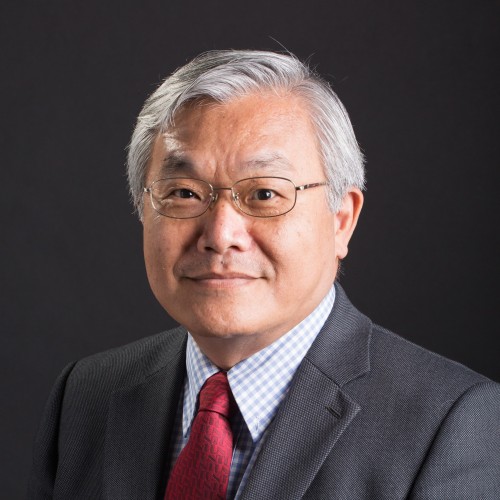
I have received by B.S. in Chemistry from Beijing (Peking) University, M.A. in Marine Science from College of William and Mary, Sc.D. in Environmental Science and Toxicology from Massachusetts Institute of Technology, and postdoctoral training in Epidemiology from Harvard School of Public Health. I am currently a Professor in the Department of Environmental Medicine and Public Health at Icahn School of Medicine at Mount Sinai. My field of expertise is molecular epidemiology. My laboratory uses latest molecular technologies to interrogate complex interactions between environment and epi/genome in relation to human health. The research strategy of my group is to develop and validate novel epi/genomic biomarkers linking environmental exposure, especially during early windows of susceptibility, and disease development. We have been working extensively to elucidate effects of environment and lifestyle (e.g. endocrine disruptors, metals, stress, and diet) on the epi/genome (e.g. transcriptome, methylome, metabolome, microRNA, genomic imprinting, and microbiome) and their ultimate impact on human diseases (e.g. cancer, reproductive abnormalities and neurodevelopmental deficits in children). By incorporating animal and in vitro models with population studies, my group uses integrative approaches to explore functional variations of the epi/genome that are responsive to environmental insults and indicative of disease risk. My group also spearheaded efforts to characterize functional genomic features of the placenta to define the placenta’s role in integrating genetic and environmental contribution and in serving as the functional organ for in utero programming of postnatal health.

Chen Pau-Chung

Chen Pau-Chung

Taiwan

In 1986, Dr. Pau-Chung Chen graduated from Kaohsiung Medical College in Taiwan with a degree in medicine. He then went on to study environmental and occupational medicine at the Institute of Public Health at the National Taiwan University College of Medicine between 1988-1990. In 1991-1995, he earned his MSc and PhD degrees in Epidemiology and Population Health at the London School of Hygiene and Tropical Medicine in the United Kingdom. Currently, Dr. Chen holds the position of Distinguished Professor at the Institute of Environmental and Occupational Health Sciences at the National Taiwan University College of Public Health, as well as being a Distinguished Investigator and Director of the National Institute of Environmental Health Sciences at the National Health Research Institutes. He has dedicated over 30 years to the field of environmental and occupational health sciences and has published over 400 scientific articles. He received the Outstanding Research Award from the Ministry of Science and Technology in 2015 and 2020, an Outstanding Alumni Award from Kaohsiung Medical University in 2018, and has been listed in the world's top 2% scientists since 2019. Dr. Chen served as the chair of the Scientific Committee on Reproductive Hazards in the Workplace (RHICOH) and the International Commission on Occupational Health (ICOH) from 2012-2018. He was also the first chair of the Birth Cohort Consortium of Asia (BiCCA) from 2012-2014. In 2013-2014, he served as an expert witness in the class action of the former workers of Taiwan RCA, and gave oral testimony in court for 7 days, totaling nearly 50 hours. In 2020, he received the National Occupational Safety and Health Award - Personal Contribution Award from the Ministry of Labor. He also served as President of the Taiwan Public Health Association from 2017-2022 and under his tenure, Taiwan became the first in Asia to pass the Public Health Specialists Act in 2020.

Cheong Hae Kwan

Cheong Hae Kwan

South Korea

Prof. Hae-Kwan Cheong is a professor of the Department of Social and Preventive Medicine at Sungkyunkwan University School of Medicine, Republic of Korea, since 2005. He is an environmental epidemiologist and his main area of research encompasses the effect of the local and global environment on human health including climate change and health, especially on infectious diseases; air pollution and health; epidemiology of neurodegenerative disorders; and various issues on environmental and occupational health, including humidifier disinfectants and oil spill and health. He began his professional career as a family physician, then from the late 1980s, his main focus moved into environmental and occupational health, when many environmental and occupational health issues vigorously arising from rapid economic development in Korea. He worked actively on the survey and preventive action of the occupational and environmental health issues. He graduated College of Medicine, Seoul National University in 1982, and obtained his Doctorate from Graduate School of Public Health, Seoul National University. He worked at Dongguk University for 13 years and moved to Sungkyunkwan University. He stayed at Harvard School of Public Health and Boston University Medical School as a visiting scholar for one year in 1998. He stayed for six months in the WHO European Centre for Environment and Health in 2013. Since 2005, he became one of the key members of environmental epidemiologists in Korea and actively worked on establishing a National Action Plan on the environmental health of Korea. He worked on the oil spill and health issues since the burst of the Hebei Spirit oil spill on the western coast of Korea, the biggest oil spill in Korean water. He served as a chair of the National Committee for the Countermeasure on the Air Pollution and member of the National Committee on Environmental Health, both by the Ministry of Environment. He had been a chair of the Korean Society of Environmental Health and Toxicology from January 2010 to December 2011, hosting body of ISEE 2010 in Seoul, Korea. He chaired the Korean Society of Epidemiology between 2016 and 2018 and chaired Korean Forum for Climate Change and Health between 2015 and 2017. He published more than 126 peer-reviewed scientific papers since 1980. Internationally, he has been working as an expert consultant of Western Pacific Regional Office of World Health Organization on the series of projects on the Climate Change and Health in vulnerable countries since 2009 and has been working on the climate change and health issues in Mongolia, Papua New Guinea, Cambodia, and Pacific Island Countries. The Western Pacific region represents a wide range of diversity on the climate system from continental to subtropical and Pacific oceanic systems. He is working on the report on climate change and health on the Western Pacific countries, on which scientific evidence of climate change and health is mostly lacking. His work on these countries provided a firm basis on the effect of the local and regional climate systems on the health of the vulnerable populations in these countries.

Cherniack Martin G.

Cherniack Martin G.

United States of America (USA)

Emeritus

Christiani David

Christiani David

United States of America (USA)

Professor David C. Christiani is the Elkan Blout Professor of Environmental Genetics and Professor of Occupational Medicine and Epidemiology, <br>Department of Environmental Health and Department of Epidemiology at Harvard University. <br>He is also a Professor of Medicine at Harvard Medical School, Director, Harvard Education and Research Center for Occupational Safety and Health and Physician, Massachusetts General Hospital. He earned his M.D. in 1976 at Tufts University, his M.S. in 1981 at the Harvard School of Public Health and his M.P.H. in 1980 at the Harvard School of Public Health.<br> <br>His major research interests are occupational, environmental and molecular epidemiology. He has been interested in studying the impact of exposures to various pollutants on health and the interactions between host factors (genetic and acquired susceptibility), and environmental exposures in producing acute and chronic diseases. This research is part of an emerging field known as molecular epidemiology. He has been active in developing new methods for assessing health effects after exposure to pollutants and has a very active interest in international occupational and environmental health studies. <br> <br>In collaboration with other investigators in his school, he has developed new biologic markers used in examination of pollutant-induced diseases such as lung cancer, bladder cancer, skin cancer and upper respiratory-tract inflammation. For example, he has led a large multidisciplinary study of the molecular and genetic analysis of lung cancer with specific attention towards genetic susceptibility to lung cancer and genetic-environmental interactions, using PCR-based methods to determine genetic traits and mutations, as well as molecular methods to detect DNA adducts. This work has been a model for examining gene-environmental interactions for cancer development. <br> <br>He has also led a project that examines respiratory effects of exposure to respiratory irritants contained in soot from fossil-fuel boilers. The study involves an epidemiologic evaluation of the acute respiratory effects of exposure as well as a detailed investigation including examination of molecular markers in nasal fluid and bronchoalveolar lavage fluid in exposed workers and controls. <br> <br>In 2000, he also began to study the molecular epidemiology of acute lung injury and Acute Respiratory Distress Syndrome (ARDS), a disorder that occurs after a toxic insult to the lung (e.g., sepsis, smoke inhalation, and SARS). The syndrome has a high associated mortality, and little is known to prevent development. In this project he is in collaboration with MGH collaborators. They will examine the role of genetic susceptibility in the development of ARDS after a toxic exposure. <br> <br>He has led a 40-year longitudinal study of respiratory disease in cotton-textile workers in Shanghai, China. The objectives of the study include determining the rate of loss in lung function among cotton dust-exposed workers at various levels of dust exposure and evaluating the relationship of exposure to gram-negative bacterial endotoxin and acute and chronic lung disease. They have expanded this study to include an assessment of relevant genetic factors, and an examination of reproductive effects of shift work and ergonomic factors at work as well as the exposures noted above. <br> <br>He has enjoyed conducting occupational-health research on three continents: Asia, Africa, and North America. He has developed a wide network of collaboratives and contacts as they undertake new studies of the reproductive effects of exposure to chemicals (China), arsenic exposure and bladder and skin cancer (Taiwan and Bangladesh), exposure to indoor combustion products in respiratory disease (Central America), petrochemical exposures, brain neoplasms and leukemia in Asia (Taiwan), and respiratory effects of paraquat exposure (Africa). An exciting aspect of the international work is in methodological work, specifically, the development and adaptation of epidemiologic and laboratory techniques to the conditions of the industrializing world. The potential for effective interventions for disease prevention make this work particularly rewarding. <br>

Claudio Luz

Claudio Luz

United States of America (USA)

Luz Claudio is a professor in the Department of Environmenal Medicine and Public Health and Chief of its Division of International Health. She is a research scientist specializing in the study of how environmental factors affect the health of people who are most vulnerable such as children and minority populations.

Cocco Pierluigi

Cocco Pierluigi

United Kingdom (UK)

Prof. Cocco is currently appointed as honorary professor of Occupational Medicine at the University of Manchester, UK. He was previously professor of Occupational Medicine at the University of Cagliari. For more than 35 years, his main field of research has been occupational and environmental epidemiology

Cogliano Vincent

Cogliano Vincent

United States of America (USA)

Emeritus

Comba Pietro

Comba Pietro

Italy

Dr. Pietro Comba studied biological sciences at the University of Rome and later earned his doctoral degree at the University of Linkoeping, Sweden, under the supervision of Prof. Olav Axelson. Dr. Comba worked at the Italian National Institute of Health (Istituto Superiore di Sanità, ISS) since 1980 through 2019. His research activity includes epidemiologic studies of populations exposed to industrial carcinogens, asbestos and asbestiform naturally occurring fibres, toxic wastes and electromagnetic fields. Since 1992 he has been the Head of the Unit of Environmental Epidemiology at the Department of Environment and Health of ISS. His main accomplishment has been the design and implementation of SENTIERI , an epidemiological surveillance project of the Italian population resident in National Priority Contaminated Sites. In this frame he has also developed international cooperation with Latin American Countries.

Corra Lilian

Corra Lilian

Argentina

Physician and specialized as neonatologist, environmental health senior expert and consultant. Starting to get involved in environment and health in the early ’80 strengthened her commitment when invited by UNEP to participate in the activities organized for the GLOBAL 500 Environmental Award during the Earth Summit in Rio de Janeiro in 1992. Since then she continues working in different organizations, participating in WHO experts working groups and UNEP negotiation processes (Stockholm, Basel and Minamata Conventions, IFCS Forum Standing Committee and SAICM Bureau, UNEP Mercury Partnership and INCs on Plastic Pollution). Fellow of Collegium Ramazzini. Joined Pure Earth (Blacksmith Institute) as a consultant and government relationship advisor for Latin America in 2009 and to the Global Alliance on Health and Pollution - GAHP as a Senior Expert in 2019. Awards: -UNEP Global 500 Environmental Role of Honor -EPA USA 2007 Children’s Environmental Health Excellence Award -Intergovernmental Forum of Chemical Safety, IFCS 2008 Special Recognition Award Academia: - Director of Career of Medical Specialist on Health and Environment, School of Medicine, University of Buenos Aires, 2010 to the present, Buenos Aires, Argentina.

Craft Elena

Craft Elena

United States of America (USA)

Dr. Elena Craft is President of the Health Effects Institute, an independent research organization that provides high-quality, impartial, and relevant science on the health effects of air pollution. She oversees HEI’s efforts to provide public and private decision makers globally with credible science about the health effects of air pollution in order to inform air quality decisions in the developed and developing world. In this role, Dr. Craft works with HEI’s sponsors in government and industry, its Scientific Committees and staff, and other partners to develop and implement the HEI Strategic Plan for Understanding the Health Effects of Air Pollution. Dr. Craft serves as an adjunct assistant professor at the University of Texas Health Sciences Center and Texas A&M University, and as a Kinder fellow at Rice University. Dr. Craft holds a B.S. degree in biology from the University of North Carolina-Chapel Hill, a M.S. degree in toxicology from North Carolina State University, and a Ph.D. from Duke University.

Cranor Carl F.

Cranor Carl F.

United States of America (USA)

Professor Carl Cranor, Ph.D (UCLA), Master of Studies in Law (Yale Law School), is a Distinguished Professor of Philosophy, Distinguished Teaching Professor (2015-present), and Faculty member in the Environmental Toxicology Graduate Program at the University of California, Riverside. His research interests are in legal and moral philosophy concerning threats to the public and occupational health from toxic substances. He has written widely on philosophic issues concerning risks, science and the law with attention to the use of scientific evidence in legal decisions for regulating carcinogens and developmental toxicants, the idea of acceptable risks, and protection of susceptible populations. He is the author of Tragic Failures: How and Why We Are Harmed by Toxic Chemicals (Oxford, 2017), Legally Poisoned: How the Law Puts Us at Risk from Toxicants (Harvard, 2011, 2013), Toxic Torts: Science, Law and the Possibility of Justice (Cambridge, 2006, 2008), second edition (Cambridge, 2016, 2017), and Regulating Toxic Substances: A Philosophy of Science and the Law (1993, 1997). His research has been supported by the National Science Foundation, the American Council of Learned Societies, the and the UC Toxic Substances Research and Teaching Program. He has consulted in the tort law and some in the criminal law, was part of the Department of Justice's and National Oceanic and Atmospheric Administration's legal team that brought a legal case against British Petroleum for damage to the Gulf of Mexico, which resulted in a $20 billion settlement. He has served on numerous scientific advisory panels and some National Academy of Sciences panels. He was chosen as a Congressional Fellow (1985-86), National Romanell-Phi Beta Kappa Professor in Philosophy for 2014-2015 and was an Elected Fellow of the American Association for the Advancement of Science (1998).

Dada Martins

Dada Martins

Netherlands

Dargan Paul I

Dargan Paul I

Great Britain

Davis Devra

Davis Devra

United States of America (USA)

Davis Letitia K.

Davis Letitia K.

United States of America (USA)

Letitia K. Davis is Director of the Occupational Health Surveillance Program in the Massachusetts Department of Public Health where she has worked for over 30 years to develop and implement state based surveillance systems for work-related illnesses and injuries. She has overseen the formation of a healthcare provider reporting system for occupational disease, the Massachusetts Occupational Lead Registry, a comprehensive surveillance system for fatal occupational injuries, the Massachusetts Sharps Injury Surveillance System, a surveillance system for work-related asthma, and a model surveillance system for work-related injuries to young workers. Additionally, she has overseen implementation of case based surveillance and follow-up of work-related amputations, burns and acute chemical poisonings. She has conducted numerous surveillance research studies exploring use of a wide range of public health data sources including electronic health records, workers� compensation data, poison control records, emergency department data, and health surveys for occupational health surveillance. She has a particular interest in addressing the occupational health and safety concerns of vulnerable workers and has completed a project incorporating occupational information in the electronic record systems of community health centers to improve documentation of occupational health needs of underserved worker populations. Dr. Davis is also responsible for the development of prevention programs to address identified occupational health problems and advises the Department leadership on matters of occupational health policy. From 1998-1915, Dr. Davis was a lead consultant in occupational health to the Council of State and Territorial Epidemiologists and has played a leadership role nationally in the effort to integrate occupational health into public health practice at the state level. She is a past member of the Board of Scientific Counselors of the National Institute for Occupational Safety and is a current member of Member, National Advisory Committee on Construction Safety and Health. Dr. Davis serves as adjunct faculty of the Department of Work Environment at the University of Massachusetts at Lowell and an instructor at the Harvard School of Public Health. She received her doctorate in Occupational Health from the Harvard School of Public Health in 1983.<br><br>Dr. Davis is also responsible for the development of prevention programs to address identified occupational health problems and advises the Department leadership on matters of occupational health policy. Under her leadership, occupational health surveillance findings have been used to promote regulatory action, legislative changes, state-wide educational initiatives and technological solutions to reduce workplace risks.

De Matteis Sara

De Matteis Sara

Italy

Full Professor in Occupational and Environmental Medicine at University of Turin and Consultant in Occupational Medicine at the University Hospital of Turin Research Interests: Occupational physician and epidemiologist with expertise in occupational lung diseases. Specific Research areas: 1) Asbestos-related diseases, in particular lung cancer and mesothelioma 2) Occupational asthma, COPD, ILD 3) Occupational exposure methods, and development of new efficient web-based tools 4) Gene-environment interactions in occupational lung diseases 5) Climate change, air pollution, and occupational health co-benefits Research Projects: I have led several research projects in large population-based studies on occupational and environmental determinats of health. The most recent has been the HSE-COPD study in the UK Biobank, a cohort set up to improve our understanding of the environmental and genetic causes of common diseases that recruited 500,000 men and women aged 40-69 from the UK general population. The overarching goal of the HSE-COPD study was to identify the occupational causes of COPD and related burden in the UK general population in order to implement focused preventive strategies at workplace. Currently working on the ARRDIA (Asbestos Related Respiratory Diseases in Industrial Areas) study, a Sardinia-Region funded project with the aim of identifying early tumoral biomarkers (Micro-RNAs) in exhaled breath condensate and blood to be linked with both asbestos exposure and cancer in a cohort of ex-exposed workers. TEACHING: Course organizer and lecturer on epidemiology and statistical methods, occupational lung diseases and occupational health surveillance.

De Rosa Christopher T.

De Rosa Christopher T.

United States of America (USA)

Dr. Christopher Thomas De Rosa is the Director for Toxicology and Risk Analysis for the National Center for Environmental Health/Agency for Toxic Substances an Disease Registry. Previously he served as the Director of the Division of Toxicology and Environmental Medicine, Agency for Toxic Substances and Disease Registry (ATSDR) from 1991-2007. Prior to his selection as Division Director, Dr. De Rosa was the Deputy Associate Administrator for Science, also at ATSDR. Before coming to ATSDR, Dr. De Rosa worked with the Environmental Protection Agency (EPA) in Cincinnati, Ohio, from 1984 to 1991. While with the EPA, Dr. De Rosa served in a number of capacities, including the Acting Director of Environmental Criteria and Assessment Office (ECAO), Group Leader, and Acting Branch Chief and Branch Chief of the Chemical Mixtures Assessment Branch of ECAO. <br> <br>After receiving his M.S. in Ecology and Ph.D. in biology from Miami University, Oxford, Ohio, in 1976, Dr. De Rosa served as an Instructor and then Assistant Professor of biology at the University of Virginia until 1980, when he joined ECAO due to a growing interest in the applied aspects of ecologic and environmental health research. From 1982 to 1984 he returned to teaching and research as Assistant Professor of botany and zoology at the University of Maine. <br> <br>He has been the recipient of the U.S.E.P.A. Bronze Medal four times and has served as a consultant to EPA, the State Department, NASA, DoE and DoD, NATO, PAHO, WHO and a range of foreign governments. He is author/co-author of over 200 peer-reviewed publications. His current professional interests are centered on the interface of environmental health science and science policy, with emphasis on risk analysis as a synthetic construct for the risk assessment and disease prevention paradigms. <br> <br>Dr. De Rosa is a member of the Society for Risk Analysis, the Ecological Society of America, the American College of Toxicology, the Society for Integrative and Comparative Biology, the American Association for the Advancement of Science and the Research Society of North America. He is an elected fellow of the Collegium Ramazzini and a credentialed member of the Senior Biomedical Research Service (ATSDR/CDC) from 1998-2008 when he was appointed as a Distinguished Consultant. <br>

Degli Esposti Davide

Degli Esposti Davide

Italy

Davide Degli Esposti is Research Scientist at the French National Institute of Agriculture, Nutrition and Environment (INRAE). I apply -omics and network biology approaches to improve the understanding of molecular physiology and ecotoxicological mechanisms mainly in aquatic organisms. My current research questions focus on the molecular mechanisms involved in reproductive toxicity, metabolic disorders and individual vulnerability to environmental contaminants. In order to take into account the complexity of chemical mixtures, I experiment the exposome in aquatic ecosystems combining active biomonitoring, in vitro bioassays, in vivo proteomics and environmental chemistry approaches.
Cancer Risk / Carcinogens,Molecular Biology,Toxicology

Dement John M.

Dement John M.

United States of America (USA)

Emeritus

Dr. John M. Dement is a Professor Emeritus in the Division of Occupational and Environmental Medicine, Duke University Medical Center. He also is an Adjunct Professor in the Department of Environmental Sciences and Engineering and the Department of Epidemiology at the University of North Carolina at Chapel Hill, School of Public Health. Dr. Dement is certified in the Comprehensive Practice of Industrial Hygiene and holds a B.S. in Mechanical Engineering from North Carolina State University, an M.S. in Industrial Hygiene from the Harvard University, School of Public Health, and a Ph.D. in Industrial Hygiene/Epidemiology from the University of North Carolina at Chapel Hill, School of Public Health. Prior joining the Duke faculty in 1993 Dr. Dement served in the U.S. Public Health Service for 22 years where he was employed in various research and management positions by the National Institute for Occupational Safety and Health (NIOSH) and the National Institute of Environmental Health Sciences (NIEHS). He has authored well over 150 peer-reviewed publications concerned with a with a broad spectrum of occupational health and safety issues including exposure assessment methods for epidemiological studies, occupational respiratory diseases, occupational cancers, occupational injury epidemiology, and the development and implementation of occupational health and safety surveillance systems. Dr. Dement has served on numerous national and international panels and committees convened by governmental organizations, the World Health Organization, the Institution of Medicine, labor organizations, and industry groups. He served on the NIOSH Board of Scientific Counselors 1994-2003 and ACGIH Board of Directors 1987-1990, serving as Chair in 1989. Dr. Dement was Editor-in Chief of the ACGIH journal Applied Occupational and Environmental Hygiene 1993-1998. Current research interests include occupational lung diseases, occupational carcinogens, and exposure assessment methods for epidemiological studies.

Di Ciaula Agostinó

Di Ciaula Agostinó

Italy

Degree in Medicine. Postgraduate in Internal Medicine. Medical assistant (Internal Medicine) at the Clinica Medica “A. Murri”, University of Bari Medical School, Bari, Italy. Research activities in various biomedical fields (environmental health, internal medicine, gastroenterology, metabolism, epidemiology). Reviewer for international scientific journals. He published papers on international journals, books, book chapters (orcid.org/0000-0002-5476-7376). He is currently involved in the activities of the International Society of Doctors for Environment (ISDE) as president of the scientific committee. He currently works with networking and alliances with stakeholders in the field of primary prevention and environmental health.

Dobbin R. Denny

Dobbin R. Denny

United States of America (USA)

Dobbin has over 50 years occupational hygiene experience as an officer in the US Public Health Service and as an independent practitioner. His assignments included seventeen years with the: National Institute for Occupational Safety and Health, US Centers for Diseases Control and Prevention (and its predecessors) where he managed research programs and developed policy including a two year assignment with the U.S. Congress in the Office of Technology Assessment. He worked on toxic chemical issues at the U.S. Environmental Protection Agency. He managed a Superfund grant program for model hazardous waste worker and emergency responder training for ten years at the National Institute of Environmental Health Sciences, U.S. National Institutes of Health Since 1997 he has worked independently on occupational, environmental and public health policy issues for non-profit, labor and other non-governmental organizations.<br>He has a B.S. in Electrical Engineering from the University of Idaho, and a M.Sc. in Occupational Hygiene from the London School of Hygiene and Tropical Medicine, London, UK.

Dodič Fikfak Metoda

Dodič Fikfak Metoda

Slovenia

Duffy Richard M.

Duffy Richard M.

United States of America (USA)

Mr. Duffy (Rich) has been involved with worker occupational health and safety issues for over 45 years. In January 2013, he retired from the International Association of Fire Fighters after 35 years of service. At the IAFF, he was responsible for the all the IAFF’s activities addressing occupational medicine, safety and health. He has been involved in numerous committees involving fire fighters' and other workers’ safety and health, including those of the federal government, state governments, the NFPA, the ANSI and the International Standards Organization. He provides technical assistance on fire fighters health and safety issues and is internationally recognized as a fire fighters health and safety expert. He has authored numerous books, manuals and articles on worker occupational health and safety issues. He has been actively involved in the addressing fire department deployment and staffing as well as the development of protective clothing and equipment for fire fighters and other workers. He served as the Chairman of the NFPA Technical Correlating Committee for Fire Service Protective Clothing and Equipment. He served as the chair of the TCC and the former Technical Committee on Fire Service Protective Clothing and equipment for over 20 years. He also served as the Secretary of the NFPA Technical Committee for Career Fire Service Deployment and Organization. He also served as a member on the NFPA Fire Service Occupational Safety and Health Committee and the NFPA Technical Committee on Hazardous Materials Response Personnel. He directed the NASA/FEMA program Project FIRES (Firefighters Integrated Response Equipment System), and all activities towards the development of state-of-the-art protective clothing and equipment, including the management of the IAFF initiative Project HEROES (Homeland Emergency Response Operational and Equipment Systems) and the Light Weight Respirator Program. He continues to serve on a number of federal programs, including the U.S. Interagency Board for Standardization and Interoperability (IAB) and the Department of Homeland Security’s First Responder Group. Mr. Duffy (Rich) holds Bachelor of Science degrees in environmental health and in business management and a Master of Science degree in occupational and environmental health sciences.

Eastmond David A.

Eastmond David A.

United States of America (USA)

Dr. David A. Eastmond is a professor emeritus in the Department of Molecular, Cell, & Systems Biology at the University of California, Riverside. He received a B.S. in Zoology and an M.S. in Entomology from Brigham Young University in Provo, Utah, and a Ph.D. in Environmental Health Sciences from the University of California, Berkeley. After serving as a postdoctoral fellow at Lawrence Livermore National Laboratory, he joined the faculty at UC Riverside where for more than 30 years, he was actively involved in research and teaching. His research focused on the mechanisms involved in the toxicity and carcinogenesis of environmental chemicals and their associated risks. He has published more than 125 scientific articles in these and related areas. At UC Riverside, Dr. Eastmond taught classes in toxicology and risk assessment. Dr. Eastmond previously served as the president of the Environmental Mutagen Society and as a Jefferson Science Fellow in the US State Department. He is currently a Fellow of the Collegium Ramazzini. Dr. Eastmond has participated on a variety of expert panels related to chemical mutagenesis, carcinogenesis and risk assessment including panels for the US Environmental Protection Agency (EPA), the US Food and Drug Administration, the National Toxicology Program, the International Programme for Chemical Safety, the International Agency for Research on Cancer, the WHO’s Joint Meeting on Pesticide Residues, the Organisation for Economic Cooperation and Development, and Health Canada. He currently serves on the Carcinogen Identification Committee for the California EPA and the Board of Scientific Counselors for the US EPA. <br>

Eduardo Algranti

Eduardo Algranti

Brazil

Eduardo Algranti is a graduate in medicine from the Faculdade de Ciencias Medicas da Santa Casa de Sao Paulo (1975). After a 3-year residence period in Internal Medicine and Pulmonology at Santa Casa, Sao Paulo, he spent a two-year training period at the late MRC Pneumoconiosis Unit in Penarth, UK. He got his Master's in Pulmonology from the University of Wales (1982) and he's PhD in Collective Health from the Universidade de Sao Paulo (1991). His area of expertise is Pulmonology, with a major interest in occupational respiratory diseases. He is a NIOSH Certified B Reader since 1988. Currently he works as a medical researcher at the Division of Medicine, FUNDACENTRO, a public institution linked to the Brazilian Ministry of Labor, whose specific field is Health at Work, where he developed the area of Occupational Respiratory Diseases. He runs an outpatient clinic in occupational respiratory diseases since 1984, clinical research projects, advisory and training activities, focusing mainly on the following topics: the ILO radiological classification of pneumoconiosis, coal mining, exposure to silica, exposure to asbestos, work-related asthma. Eduardo was the former Director of FUNDACENTRO WHO Collaborating Centre in Occupational Health until 2017.

Ellingsen Dag G.

Ellingsen Dag G.

Norway

Englund Anders

Englund Anders

Sweden

Emeritus

Dr. Anders Englund retired last year after serving as Director of Medical and Social Affairs for the Swedish Work Environment Authority for ten years. He is the former Executive Director of UICC (1982-84) and was predominantly involved in the health and safety issues concerning the construction industry while acting as Medical Director of the nation-wide occupational health service for the construction trades. Using a cohort of 350,000 Swedish male construction workers established by the Swedish social partners, he has recently added an epidemiological dimension to his work, focusing primarily on occupational cancer in construction workers. The end-user perspective on asbestos handling has been a special case. Dr. Englund has simultaneously served as Advisor to several countries regarding general and construction related health and safety issues. He is a Fellow and previous Board Member of Collegium Ramazzini and is a member of the ICOH.

Eskenazi Brenda

Eskenazi Brenda

United States of America (USA)

Emeritus

Etzel Ruth Ann

Etzel Ruth Ann

Switzerland

Ruth A. Etzel, M.D., Ph.D. is Senior Officer for Environmental Health Research in the Department of Public Health and Environment at the World Health Organization in Geneva, Switzerland. She completed medical school at the University of Wisconsin and residencies in Pediatrics and Preventive Medicine in Chapel Hill, North Carolina, USA. After completing a pediatric residency, Dr. Etzel was a Robert Wood Johnson Clinical Scholar in Chapel Hill, and received her PhD in Epidemiology from the University of North Carolina School of Public Health in 1985. While there, she became very interested in studying the health effects of exposure to secondhand smoke among infants. With Dr. Robert Greenberg, she co-authored the first study to use cotinine as a biological marker of exposure to tobacco smoke in children. In the twenty five years since that study was published in the New England Journal of Medicine, she has been influential in working to make cotinine a standard method for assessing tobacco exposure in epidemiological studies. She has also been a strong leader in national and international efforts to reduce children´s exposure to tobacco smoke, serving as chair of the Scientific Advisory Committee for the Julius B. Richmond Center of Excellence at the American Academy of Pediatrics (AAP), dedicated to improving child health by eliminating children's exposure to tobacco and secondhand smoke.<br><br>As a Commissioned Officer in the United States Public Health Service, Dr. Etzel served in numerous public-sector leadership positions including: Centers for Disease Control and Prevention (Founding Chief of the Air Pollution and Respiratory Health Branch), Department of Agriculture (Director of the Division of Epidemiology and Risk Assessment) and Indian Health Service (Research Director at the Alaska Native Medical Center). She is a courageous leader in bringing environmental risks to children to public attention and working collaboratively towards solutions. In 1989, after a single case of acrodynia was identified in a US child who was exposed to mercury vapor inside a newly-painted house, she coordinated a study to assess the extent of the mercury exposure and then made a compelling case to the US Environmental Protection Agency (EPA) for the removal of mercury from latex paints. In response, the EPA quickly reached an agreement with the US paint companies to stop the addition of mercury compounds to interior latex paints.<br><br>Dr. Etzel is the founding editor of the popular AAP manual Pediatric Environmental Health, of which a 3rd edition will be published in 2011. This influential book has helped to train hundreds of clinicians who care for children about how to recognize, diagnose, treat and prevent illness in children from hazards in the environment. She serves on the adjunct faculty at the George Washington University School of Public Health and Health Services. In addition to being board-certified in Pediatrics, Dr. Etzel is also board-certified in Preventive Medicine and served for 9 years on the American Board of Preventive Medicine. She was a member of the National Heart Lung and Blood Institute’s First Expert Panel on the Management of Asthma and the Department of Defense Science Board Task Force on Gulf War Heath Effects. Dr. Etzel has received numerous awards, including the 2007 Children’s Environmental Health Champion Award from US Environmental Protection Agency, the Distinguished Service Award from the US Public Health Service, the Don C. Mackel Memorial Award from CDC, the Arthur S. Flemming Award, and the Clinical Society Award from the US Public Health Service Commissioned Officers Association for her discovery of the association between infant pulmonary hemorrhage and exposure to toxigenic molds. Her epidemiologic research interests include identifying the environmental precipitants of asthma attacks and studying the health effects of exposure to indoor and outdoor air pollutants.

Falk Henry

Falk Henry

United States of America (USA)

Emeritus

Dr. Henry Falk serves as Director, Coordinating Center for Environmental Health and Injury Prevention (CCEHIP), which is one of four Coordinating Centers at Centers for Disease Control and Prevention (CDC). He served as Director for both the National Center for Environmental Health (NCEH) and the Agency for Toxic Substances and Disease Registry (ATSDR), whose mission is to protect public health from hazardous releases of toxic substances. Dr. Falk is a 30-year veteran of the U.S. Public Health Service Commissioned Corps. This service culminated with his being named Rear Admiral and an appointment as assistant U.S. surgeon general. Dr. Falk’s work includes contributions to the federal responses to Three Mile Island, Mount St. Helens, Hurricanes Hugo and Andrew, and the September 11th attacks. He has authored or coauthored more than 100 publications in a variety of subjects, including vinyl chloride-induced liver cancer, prevention of lead poisoning, and the health effects of environmental hazards. Honors include the Vernon Houk Award for Leadership in Preventing Childhood Lead Poisoning and the Homer C. Calver Award from the American Public Health Association. He has also received CDC's William C. Watson Jr. Medal of Excellence, as well as the Distinguished Service Award from the U.S. Public Health Service.

Filippini Tommaso

Filippini Tommaso

Italy

Prof. Tommaso Filippini, MD, DrPH, PhD, is a Researcher in Public Health at the University of Modena and Reggio Emilia in Italy. He works in the study of health effects of environmental risk factors, particularly dietary risk factors and outdoor pollutants, with specific reference to risk of chronic diseases such as cancer and neurodegenerative diseases. The major research topics are: - Epidemiological and statistical methods, including dose-response assessment - Environmental and nutritional epidemiology, including interest in air pollution, pesticides, electromagnetic fields, light at night, acrylamide, green tea, heavy metals (e.g. cadmium, lead, mercury), sodium, potassium, trace elements (including selenium, manganese and other trace elements). - Neurodegenerative and neurodevelopment diseases, including amyotrophic lateral sclerosis, early onset dementia, and attention deficit hyperactivity disorder - Cancer and chronic diseases, including breast cancer, melanoma, childhood leukemia, cardiovascular disease, hypertension, and type 2 diabetes - Risk assessment in both nutritional and environmental exposure - COVID-19 epidemiology and risk factors

Finkelman Jacobo

Finkelman Jacobo

Mexico

Emeritus

Jacobo Finkelman is a Mexican National, serving as an independent consultant on Environment and Public Health. He holds a MD Degree (Faculty of Medicine of the National Autonomous University of Mexico) and a MPH (School of Public Health of Mexico).<br>Over his almost 40 years of professional service, he held senior positions with the World Health Organization/Pan-American Health Organization as the WHO/PAHO as Country Representative in Mexico (2005 – 2006), Brazil (1998 – 2004), Guatemala (1993 – 1998). Director of the Pan-American Center for Human Ecology and Health (ECO/PAHO/WHO). Metepec. Mexico (1981 – 1993). Head, Program Area. Epidemiological Surveillance, Laboratory Services and Medicines Control. PAHO/WHO. Washington, D.C., E.U.A. (1980-1981) and Head, Epidemiological Surveillance Unit. PAHO/WHO. Washington, DC., USA (1977 – 1980). He also was the Head, Public Health Research Department. Mexican Institute of Social Security (IMSS) between 1973 – 1977.<br>His scientific interest is in governance of environmental health and global public health. He has published over a hundred papers, book chapters and books. He has served as a member of editorial and advisory boards of several national and international scientific journals and organizations.<br>He has received approximately 50 national and international awards for his academic and service achievements.

Finkelstein Yoram

Finkelstein Yoram

Israel

Emeritus

Professor Finkelstein is a graduate of the Israel Technological Institute (MD degree) and the Hebrew University of Jerusalem (PhD degree). He specialized in Clinical Neurology and was a Neurobiology fellow at the Weizmann Institute of Science. His professional activity combines basic research in Israel and USA with clinical in-hospital neurology and toxicology service. He established widely accepted standard clinical therapeutic protocols for CNS poisonings. His professional public activities include consulting community groups exposed to industrial pollution hazards, mainly in the Bay of Haifa and the Kishon River, and assessing health risks to schoolchildren from exposure to environmental pollution. He was a member of several national commissions on environmental and toxicological policies, both at the Parliamentary and Governmental levels. His successful defense against the SLAPP suit brought against him by a polluting smelter (the first SLAPP suit in Israel) was a precedent case for the International Society for Environmental Epidemiology Ethics and Philosophy Committee. http://www.neurotoxicology.org.il/

Fischbein S. Alf

Fischbein S. Alf

Israel

Emeritus

Flores Raja M. MD

Flores Raja M. MD

United States of America (USA)

Dr. Raja M. Flores is the Chairman for the Department of Thoracic Surgery, Steven and Ann Ames Professor in Thoracic Surgery at The Mount Sinai Medical Center. Dr. Flores’ is a recognized leader in the field of Thoracic Surgery for his pioneering efforts in the treatment of mesothelioma. He has established VATS lobectomy, a minimally invasive approach using three small incisions, as the gold standard in the surgical treatment of lung cancer. He published two sentinel studies validating its oncological effectiveness by demonstrating equivalent survival and recurrence rates with fewer complications and shorter hospital stays when compared to standard thoracotomy. Dr. Flores implemented the current program for this procedure at Memorial Sloan-Kettering Cancer Center. He was a lead investigator in a multicenter trial of neoadjuvant alimta/cisplatin, extrapleural pneumonectomy, and high-dose radiation which is designed to improve outcomes. Dr. Flores currently has one of the largest VATS lobectomy experiences in the world. He has published this data and has presented it at numerous national and international meetings. Dr. Flores’ additional research interests are based on numerous past projects relating to the multimodality management of malignant pleural mesothelioma, as well as innovative surgical techniques in minimally invasive thoracic surgery for lung cancer. He has led a number of major studies, including clinical trials of neoadjuvant gemcitabine and cisplatin followed by extrapleural pneumonectomy and high dose radiation. Dr. Flores is the Principle Investigator of the Libby Epidemiology Research Program, a $4.8 million RO1 grant funded by the Agency for Toxic Substances and Disease Registry (ATSDR). The major goals of the research are to address questions regarding the health consequences of asbestos exposure (Libby Amphibole). After earning an undergraduate degree in biochemistry from New York University, Dr. Flores attended the Albert Einstein College of Medicine, receiving his Medical Degree in 1992. He then spent five years at Columbia-Presbyterian Medical Center pursuing his General Surgery Internship and General Surgery Residency. He then completed a Thoracic Oncology Clinical Research Fellowship at Brigham and Women’s Hospital/Dana Faber Cancer Institute/CALGB in Boston, and his Cardiothoracic Surgery Residency at Brigham and Women’s Hospital, Harvard Medical School. He also received a Masters in Biostatistics from Columbia University. Dr. Flores is a member of numerous medical and surgical societies and serves on several editorial boards.

Fobil Julius

Fobil Julius

Ghana

Forastiere Francesco

Forastiere Francesco

Italy

Francesco Forastiere, MD, PhD, is an environmental epidemiologist who currently serves as a visiting professor at Imperial College, London, in the Environmental Research Group. He has worked as a public health officer for almost four decades in the Department of Epidemiology, Lazio Region Health Service, Rome, dealing with environmental and occupational exposures and their impacts on health. With a medical background in respiratory and occupational medicine, a Master of Science in Epidemiology from LSHTM, London, and a PhD in Epidemiology from the University of Linkoping, Sweden, he has studied the health effects of numerous environmental and occupational exposures. He has been the principal investigator in several EC-funded projects since the Fourth Framework Programme up to the most recent Horizon initiatives. Francesco Forastiere has authored or co-authored over 600 full papers in peer-reviewed scientific literature. He has served as a temporary adviser for WHO/Geneva/Bonn on several occasions and has contributed to the WHO Air Quality Guidelines in 2005 and the updates published in September 2021. He has also been a member of three working groups in Lyon at IARC for the evaluation of some chemicals (vol. 54, 1992), air pollution (Vol. 109, 2013), and some organophosphate insecticides and herbicides (Vol.112, 2015). In addition, he has worked as a consultant for the Health Effects Institute in the USA, performing a systematic review of the health effects of traffic-related air pollution published in 2022. He is the Chief Editor of the Italian Journal of Epidemiology (Epidemiologia & Prevenzione) and an Associate Editor of Environmental Health. He has focused on applying innovative scientific research methods, including health impact assessment, to address various public health issues such as air pollution, radon, waste disposal, occupational exposure to silica and asbestos, environmental tobacco smoke, and Covid-19. His contributions to the field of air quality and health have been invaluable, and several organizations have recognized his expertise. In recognition of his sustained and outstanding contributions to the knowledge and practice of environmental epidemiology, he was awarded the "John Goldsmith Award" by the International Society for Environmental Epidemiology (ISEE) in 2022 and by the “Chair ERS Award” from the European Respiratory Society (ERS) in 2023.

Franco Giuliano

Franco Giuliano

Italy

Emeritus

Giuliano Franco<br><br>He is a MD, specialist in Internal Medicine, in Cardiology and in Occupational Medicine. After his studies under the distinguished guide of Prof. Salvatore Maugeri as Assistant Professor (1972-1982) and Associate Professor of Industrial Toxicology and Occupational Medicine in the Institute of Occupational Medicine of the University of Pavia, in 1993 he was appointed at the Chair of Occupational Medicine of the University of Modena - School of Medicine. Presently he serves as Full Professor of Occupational Health of the University of Modena and Reggio Emilia - School of Medicine. He is the Director of the Occupational Health Unit and Consultant of Occupational health in the Policlinico Hospital of Modena - and Director of the Postgraduate School of Occupational Health of the University of Modena and Reggio Emilia.<br><br>Editor of the Giornale italiano di Medicina del lavoro (1979-2001), Member of the Editorial Panel of Occupational Medicine (1991-...), Member of the Board of theEuropean Association of Schools of Occupational Medicine (1991-1998), Member of the Editorial Board of the Archives of Chest Diseases (1991-2001), President of the Sezione Emiliano-Romagnola della Società Italiana di Medicina del lavoro e Igiene industriale (1993-1999), Member of the Editorial Board of the Central European Journal of Occupational and Environmental Medicine (1994-...), Member of the Board of the Associazione universitaria di Medicina del lavoro “Bernardino Ramazzini” (1994-2002), Member of the ICOH Committee on Education and Training (1996-...), Member of the ICOH Committee on the History of Prevention of Occupational and Environmental Diseases (1996-...), Honorary Fellow of the Faculty of Occupational Medicine of the Royal College of Physicians - London (1998-...), Member of the ICOH Committee on Health Service Research and Evaluation in Occupational health (2000-…)

Frank Arthur

Frank Arthur

United States of America (USA)

Arthur L. Frank, MD, PhD is Professor of Public Health at The Dornsife School of Public Health of Drexel University and Chair Emeritus of the Department of Occupational Health and Professor of Medicine at the Drexel University College of Medicine. Trained at Mount Sinai with Irving Selikoff, Dr. Frank has served on the faculties of Mount Sinai, The University of Kentucky, and The University of Texas, as well as at Drexel University. His professional interests have been in the areas of asbestos disease and other occupational lung diseases, occupational cancers, and agricultural safety and health. He has worked in many countries around the world, including China, Mongolia, Sri Lanka, Colombia, Brazil, India, and others. He is the proud recipient of the 2016 Ramazzini Award.

Fraumeni Joseph F. Jr.

Fraumeni Joseph F. Jr.

United States of America (USA)

Emeritus

Dr. Fraumeni received a B.A. from Harvard College, an M.D. from Duke University, and an M.Sc. in epidemiology from the Harvard School of Public Health. He completed a medical residency at Johns Hopkins Hospital and Memorial Sloan-Kettering Cancer Center. Dr. Fraumeni joined the NCI in 1962 as a staff associate. He became Head of the Ecology Studies Section in 1966, Chief of the Environmental Epidemiology Branch in 1975, Director of the Epidemiology and Biostatistics Program in 1979, and founding Director of the Division of Cancer Epidemiology and Genetics in 1995. <br><br>In recognition of his research on environmental and genetic determinants of cancer, Dr. Fraumeni has received numerous awards, including the Lilienfeld Award from the American College of Epidemiology, the John Snow Award from the American Public Health Association, the James D. Bruce Award from the American College of Physicians, the Nathan Davis Award from the American Medical Association, the Charles S. Mott Prize from the General Motors Cancer Research Foundation, and the Medal of Honor from the International Agency for Research on Cancer. Dr. Fraumeni is an elected member of the U.S. National Academy of Sciences and the Institute of Medicine, and he serves as an Adjunct Professor of Epidemiology at the George Washington University School of Public Health and Health Services.<br>

Froneberg Brigitte

Froneberg Brigitte

Germany

Emeritus

Dr. Brigitte Froneberg is an occupational physician and epidemiologist holding a MD in biochemistry. She received her training at the University of Göttingen, London School of Hygiene and Tropical Medicine and at the US National Institute for Occupational Safety and Health (NIOSH) in Cincinnati, Ohio. She has working experience as an occupational physician in hospital and labor inspectorate settings. She is a Director and Professor of the German Federal Institute for Occupational Safety and Health in Berlin, where she headed the Department of Occupational Health Protection for 10 years prior to joining the InFocus Program on Safety and Health at Work and the Environment (SafeWork) of the International Labor Organization (Headquarter Office Geneva) from May 2002- May 2006. Since her return to Berlin, she takes care of the International Collaboration of her home institute.<br><br>She is a fellow of the Collegium Ramazzini (Head, Committee International Collaboration), the International Commission of Occupational Health (ICOH

Frumkin Howard

Frumkin Howard

United States of America (USA)

Howard Frumkin, a general internist and epidemiologist, is Professor Emeritus at the University of Washington School of Public Health. His career has focused on health aspects of climate change, the built environment, nature contact, and sustainability. He has served as senior vice president at Trust for Public Land; head of the Our Planet, Our Health initiative at the Wellcome Trust in London; Dean of the University of Washington School of Public Health; Director of the National Center for Environmental Health and Agency for Toxic Substances and Disease Registry (NCEH/ATSDR) at the CDC; and Professor and Chair of Environmental and Occupational Health, and Professor of Medicine, at Emory University. His current community and professional activities include serving on the Board of the Seattle Parks Foundation, on the Executive Committee of the Tyler Prize for Environmental Achievement, as lead author on the health chapter of The Nature Record, as chair of the National Academy of Medicine Committee on the Roadmap for Transformative Action to Achieve Health for All at Net-Zero Emissions, on the Steering Committee of the Planetary Health Alliance, and on advisory committees to the Global Consortium on Climate and Health Education (Columbia University), the Harvard Center on Climate, Health, and the Global Environment, the Yale Center on Climate Change and Health, the Medical Society Consortium on Climate & Health (George Mason University). He previously served on the Boards of the Washington State Academy of Sciences, the Bullitt Foundation, the U.S. Green Building Council, Physicians for Social Responsibility, the American Public Health Association, and the National Environmental Education Foundation. He is author or co-author of over 300 scientific journal articles and chapters, and his ten books include Making Healthy Places: Designing and Building for Health, Well-Being, and Sustainability (2nd Edition, 2022), Environmental Health: From Global to Local (4th edition, forthcoming 2026), Planetary Health: Protecting Nature to Protect Ourselves (2020), and Planetary Health: Safeguarding Human Health and the Environment in the Anthropocene (2021). He was educated at Brown (A.B.), the University of Pennsylvania (M.D.), and Harvard (M.P.H. and Dr.P.H.). He is an elected member of the Washington State Academy of Sciences and of the National Academy of Medicine. He is married to health journalist Joanne Silberner and has two children, Gabe, a labor lawyer, and Amara, a pediatrician.
Planetary Health; Climate change and health; Nature contact

Fucic Aleksandra

Fucic Aleksandra

Croatia

Emeritus

Aleksandra Fucic has 35 years of research experience in genotoxicology and biomonitoring. She is Science adviser at the Institute for Medical Research and Occupational Health, Zagreb. Her main scientific interests are carcinogenesis mechanisms after exposure to chemical and physical agents including transplacental exposure and life long health risks. She has published over 100 papers and several books. She took part in many international and national projects, European biomonitoring programs and reports. Currently she is partner in the largest European biomonitoring project HBM4EU in which she is focused on investigation of occupational and environmental endocrine disruptor exposures.

Gagliardi Diana

Gagliardi Diana

Italy

Gaitens Joanna

Gaitens Joanna

United States of America (USA)

Dr. Gaitens is an Associate Professor within the Division of Occupational and Environmental Medicine at the University of Maryland School of Medicine. Her areas of expertise and interest include clinical surveillance of metal-exposed populations, the use of urine biomonitoring to assess exposure, development and utility of public health registries, and protection of health workers. She currently directs the U.S. Department of Veterans Affairs' Toxic Embedded Fragment Surveillance Center and Registry and is a key member of the Depleted Follow-up Program. She also co-directs the division’s activities as a WHO Collaborating Center for Occupational Health, providing support and expertise for health worker protections in the Americas and African regions. Dr. Gaitens received her A.D.N. Degree from Norwich University in 1994; her BSN Degree from the University of New Hampshire in 1997; her MSN/MPH Degree from the Johns Hopkins School of Nursing and Bloomberg School of Public Health in 2000; and her PhD from the Johns Hopkins Bloomberg School of Public Health in 2006. Prior to joining the University of Maryland faculty in 2008, Dr. Gaitens worked for several years as a nurse in skilled care before transitioning into public health. Her dissertation focused on the neurobehavioral effects associated with polychlorinated biphenyl exposure in older adults. She also has worked in the field of lead poisoning prevention.

Gee David

Gee David

United Kingdom (UK)

Emeritus
David has worked for over three decades on occupational and environmental risk reduction with UK Trade Unions (AUEW, TUC & GMB), with the Environmental group, Friends of the Earth, UK, where he was Director; and as a consultant. Since December 1995, he has been working for the European Environment Agency, an EU information providing body, in Copenhagen, where he is responsible for "Scientific Liaison and Emerging Issues". He is secretary to the EEA Scientific Advisory Committee. He has worked on a range of subjects, such as the risks and uncertainties arising from chemicals, radiation and asbestos; on clean production and eco-efficiency; on green taxes & ecological tax reform; and on communicating scientific complexity and uncertainty to non-specialists. He is currently working on the links between environment and health, particularly of Children; and on the practical application of the precautionary principle, following the report that he initiated/co-authored: "Late Lessons from Early Warnings: the Precautionary Principle1896-2000", (EEA, 2001).<br><br>Other recent publications include "Economic Tax Reform in Europe: Opportunities and Obstacles", chapter in "Ecotaxation" ed. T O'Riordan, 1997;"Approaches to Scientific Uncertainty" chapter in "Health at the Crossroads: Transport Policy and Urban Health", ed. by T Fletcher and A McMichael, 1997; "Chemicals in Europe: Low Doses, High Stakes?" (EEA/UNEP, 1998); "Children in their Environment: Valuable, Vulnerable and at Risk", (EEA/WHO Ministerial Conference 1999); "Late lessons from Early Warnings: Improving Science & Governance Under Uncertainty", with Andrew Stirling, in "Environmental Science & Preventive Public Policy", ed Tinkner J., Island Press, 2003.<br><br>He is a founding Fellow of Collegium Ramazzini and is married with four daughters.<br><br>

Giannasi Fernanda

Giannasi Fernanda

Brazil

Emeritus

Fernanda Giannasi is a Civil and Safety and Health Engineer. She worked as a Labor Inspector for the Ministry of Labor and Employment for thirty years, acting as an expert advisor for the Labor Prosecutors Office (Federal Labor Public Ministry) as well the Asbestos Victims’ Solicitors Office. As a Federal Labor Inspector, she staunchly defended the public interest on workers’ safety and health and was pressured by the asbestos lobby in Brazil and Canada, and endured myriad pressures including persistent harassment, politically-motivated criminal charges, and even death threats. Since 2013, after retiring from government, she has served as an expert witness in judicial cases related to asbestos, nuclear and ionizing radiation and other toxic chemicals as Mercury, POP´s (Persistent Organic Pollutants) and Silica. She also led thousands of workers who have filed lawsuits against the asbestos industry. She is also the coordinator of the Virtual Citizen Ban Asbestos Network for Latin America and founder of the Brazilian Association of People Exposed to Asbestos (ABREA). Despite the adversity she has faced, Fernanda has been acknowledged with several national and international awards. In Brazil, she received awards from both the Regional Labor Court of Appeal (2nd level) and the Superior Labor Court (3rd level) with the Judiciary Order of Merit. In 2018 April, she won by the Faz Diferença (Make a Difference) Prize in the economics category presented by O Globo, one of the most important, respected, and powerful daily newspapers in the country. Giannasi was also awarded with the Diploma of Merit of the Regional Council of Engineering and Agronomy of São Paulo (Crea/SP) in 2022. Her awards abroad include: the Ray Sentes Award (Canada), the Rachel Lee Jung-Lim Award (South Korea), the International Society for Environmental Epidemiology (ISEE), as well as a recognition by the American Public Health Association (APHA) and Japan’s Tajiri Muneaki Memorial Fund. She is internationally renowned and highly respected for her effective and unflagging efforts to save the lives of those affected by asbestos. In 2017 November, her efforts to ban asbestos in Brazil as well the fight for Justice for the asbestos victims and their families came to fruition with the important decision by the Brazilian Supreme Court (STF) to ban asbestos across Brazil. This decision was ratified in February 2023 against many appeals presented by the asbestos industry which did not accept the decision to stop mining asbestos. For her contribution to the struggle against asbestos, including her leadership in the promotion of an asbestos-free Brazil and in broadening the rationale for supporting a worldwide ban on asbestos, Engineer Giannasi was awarded the Collegium Ramazzini’s 2018 award. In December 2022, Fernanda and members of ABREA created a monument in honor of asbestos victims in the city of Osasco, São Paulo state.
Asbestos, nuclear and ionizing radiation and other toxic chemicals as Mercury, POP´s (Persistent Organic Pollutants) and Silica.

Giordano Antonio

Giordano Antonio

United States of America (USA)

Professor Antonio Giordano at 26, while a post-doctoral fellow at Cold Spring Harbor Laboratory in New York, made significant contributions to the field of cancer research. His work led to the recognition that an identical protein species occurs in complexes with both a virus and with the cell cycle regulatory kinase cdc2. Later, this protein species was identified as protein cyclin A, a substance that regulates cell cycle growth. This work helped to set the stage for subsequent discovery in several other laboratories. Dr. Giordano went on to discover Rb2/p130 in the early 1990s while serving as a member of Temple's School of Medicine faculty and as a researcher at the Fels Institute for Cancer Research and Molecular Biology. Since that time, Giordano and SHRO researchers have established links between Rb2/p130 and its expression with the regression of cancer in the lungs, the aggression of cancer in the liver and ovaries, the effectiveness of drug therapies against breast cancer, and as a potential prognosticator of prostate cancer. Giordano also discovered Cdk9 and Cdk10, two protein kinases that must be activated to guarantee proper progression through the cell cycle. Research has subsequently shown that Cdk9 is a multifunctional protein that plays a critical role in cell differentiation, particularly in muscles, HIV transcription, and the inception of tumors. Recent research has focused on the role of Cdk9-55 in helping to regenerate muscle tissue in cases of muscle wasting from disease or aging. In July of 2009, Giordano was ranked third on the list of "Laboratory Heads by Number of Publications" on the Cell Cycle Registry, attesting the relevance at international levels of his work on cell cycle regulation. In 2004, Giordano discovered Novel Structure Proteins (NSPs), a new family of structure proteins with a possible role in nuclear dynamics during cell division. One form of the gene, the isoform NSP5a3a, is highly expressed in some tumor cell lines and could be very useful as a tumor marker. Isoforms from NSPs, a new family of genes could be involved in apoptosis or programmed cell death. Giordano also played a major role in studying the cyclin-dependent-kinase inhibitor p27 which serves as the prognosticator factor in cancer patients. Giordano's early investigation and findings on the cell cycle has contributed to a new series of drugs currently in clinical trials. In 2009, he was invited to write on this topic on Nature Reviews Drug Discovery in recognition of his role as a leading international researcher in this field HEALTH AND ENVIRONMENT | In the past fewyears Giordano has devoted many efforts to the study of the relation between cancer and environmental pollution in the Italian region Campania. He was among the first to report an increased incidence of various tumor types in the population living close by sites of illegal toxic waste dumping. He signed up by over 650 researchers and people in various fields; and through many other no-profit activities. www.drantoniogiordano.com www.profantoniogiordano.com www.shro.org

Gobba Fabriziomaria

Gobba Fabriziomaria

Italy

Emeritus

Gochfeld Michael

Gochfeld Michael

United States of America (USA)

Emeritus
Michael Gochfeld, MD, PhD is an occupational physician and environmental toxicologist. He holds an MD from the Albert Einstein College of Medicine and a PhD in ecology from the City University of New York. He did a post-doctoral fellowship in animal behavior at the Rockefeller University. <br><br>He is board certified in occupational medicine by the American Board of Preventive Medicine. Dr. Gochfeld has focused on the effects of heavy metals on humans and ecosystems, with a particular emphasis on lead, mercury, arsenic, and cadmium and also on dioxin and PCBs. He has conducted research in Alaska, South America, and Africa. He served as a Provincial Public Health advisor in Vietnam focusing on tropical paediatrics and infectious disease control. He was one of the founding faculty of the UMDNJ-School of Public Health and chaired the Environmental Health track for many years, developing one of the first graduate courses in environmental risk assessment. <br><br> He currently directs the Epidemiology, Statistics, and Prevention course for first year medical students.He is a member of the Collegium Ramazzini, and has served as chair of both the Resident Directors section and the Academic Section of the American College of Occupational and Environmental Medicine. <br><br>He has published over 200 biomedical papers on human health and ecotoxicology (many co-authored with Joanna Burger, PhD), in addition to many papers on avian biology and animal behavior. He has authored books on occupational medicine, avian behavior and ecology, and butterflies.<br>

Goldman Lynn

Goldman Lynn

United States of America (USA)

The Honorable Lynn R. Goldman, a pediatrician and an epidemiologist, is a Professor in the Department of Environmental and Occupational Health and Dean Emerita at the George Washington University Milken Institute School of Public Health. Formerly, she was Professor of Environmental Health Sciences at the Johns Hopkins University Bloomberg School of Public Health. Her areas of focus are public health education, children’s environmental health, public health practice and chemical and pesticide regulatory policy. As Assistant Administrator for Toxic Substances at the US Environmental Protection Agency, she directed the Office of Chemical Safety and Pollution Prevention from 1993 through 1998. Before joining the EPA, Dr. Goldman served as head of the Division of Environmental and Occupational Disease Control of the California Department of Public Health. She has a BS in Conservation of Natural Resources from the University of California, Berkeley; an MPH from the Johns Hopkins University School of Public Health; and an MD from the University of California, San Francisco. She completed pediatric training at the Children’s Hospital in Oakland, California, and is board-certified in pediatrics.
Pediatric environmental public health science and policy

Grandjean Philippe

Grandjean Philippe

Denmark

Professor Grandjean is a physician and environmental epidemiologist, who specializes in the effects of environmental chemicals on human health. His studies of Faroese birth cohorts have contributed to the UN decision to develop the Minamata Convention on the control of mercury pollution. Current studies focus on neurobehavioral development, immune system functions, and metabolic abnormalities associated with developmental exposure to environmental chemicals, such as the perfluorinated alkylates. He has served as vice-dean of the medical faculty and as institute chair at the University of Southern Denmark, and he leads a research group at Harvard T.H. Chan School of Public Health, where he is Adjunct Professor. He has been principal investigator on continuous grants from the (US) National Institutes of Health, co-director of a Superfund center and has served as coordinator and work package leader on EU grants.

Groneberg, David A.

Groneberg, David A.

Germany

David Alexander Groneberg, M.D. is a board-certified occupational physician, flight surgeon and full professor of medicine at the Faculty of Medicine, Goethe University Frankfurt, Germany. His areas of scientific interest are basic and clinical research in occupational and environmental medicine. He is founding editor-in-chief of the Journal of Occupational Medicine and Toxicology and editor-in-chief of the German Zentralblatt für Arbeitsmedizin, Arbeitsschutz und Ergonomie. Since 2010 he is chairman of the Goethe University Institute of Occupational, Social and Environmental Medicine. Before he served as Professor of Medicine/Infectious Diseases and Immunity in Respiratory Medicine at Lübeck University (2002), and Professor of Medicine (tenured)/Molecular Respiratory Medicine at the Department of Respiratory Medicine at the Hannover Medical School (MHH, 2006). From 2007 to 2010 he was Professor of Medicine (tenured)/Occupational Medicine at the Humboldt-University and the Free University Berlin Berlin and director of the Institute of Occupational Medicine of the Charité - School of Medicine. In 2010, David Groneberg became full professor (tenured) at the Faculty of Medicine of the Goethe University Frankfurt. There, he also served/serves in positions such as senator of the Goethe University or vice dean of the medical faculty. Formerly, he was also President of the German Society on Research on Nicotine and Tobacco and participated as member in numerous boards including the Indoor Air Hygiene Commission of the Federal Environment Agency, or the Drug Commission of the Federal Chamber of Physicians.

Groth David H.

Groth David H.

United States of America (USA)

Emeritus

Guo Yue-Liang Leon

Guo Yue-Liang Leon

Taiwan

Leon Guo, M.D., M.P.H., PH.D., is a distinguished professor in Environmental and Occupational Medicine, School of Medicine, National Taiwan University (NTU), and an attending physician in NTU Hospital. He is also a honorary affiliate of Woolcock Institute of Medical Research, University of Sydney. He obtained his medical degree from National Taiwan University, Master of Public Health from Harvard School of Public Health, and PHD in Environmental Health and Occupational Medicine from Johns Hopkins University. He served residency in Internal Medicine in Texas Tech University Health Science Center, Lubbock, Texas, and residency in Occupational Medicine in University of California at San Francisco. He became a faculty member in Medical School, National Cheng Kung University in 1990. In 2006 he became a faculty member in Medical School of National Taiwan University (NTU), until now. He served during 2016-9 as a distinguished investigator and the director the National Institute of Environmental Health Science (NIEHS), National Health Research Institutes (NHRI), Taiwan. He was the president of Asian Congress of Occupational Health (2000-2002). He became a fellow of the Collegium Ramazzini in 2011. His research interest has been on health effects caused by environmental agents such as air pollutants, allergens, climate change, and endocrine disrupting chemicals. Prediction of health outcomes such as atopic eczema and asthma has been developed. He headed a long-term study on health effects caused by direct or prenatal heavy exposure to polychlorinated biphenyls and related chemicals. The research works resulted in more than 300 international papers and 10 book chapters.

Gupta Naresh

Gupta Naresh

India

Honorary Member

Ha Le Thai

Ha Le Thai

Vietnam

Mrs. Le Thai Ha is a head of Medical testing and Environmetal Analysis department and a Director of National Water Quality Surveilance center, National Institute of Occupational and Environmental Health (NIOEH), Ministry of Health in Vietnam. She had background on chemistry and Environmental Science. She was studied chemical analyzing in Univ. of Leipzig, Germany in 1998-1999 (for organic compounds) , Univ.of Copenhagen, Denmark in 2008-2009 (for inorganic compounds). She has 25 years working experiences in environmental analyzing and technologies, especcialy in water chemistry.<br>She has been a Head of technical consultant team, coordinator, researcher of over 20 projects at different levels, especialy many projects funded by Vietnam Ministry of Health, Ministry of Science and Technology, WHO, WB, DFAT (Australia), ADB.... The main topics of her researches are environmental quality and health effect, In-out door air, WASH in school and health care facilities, Children Environmental Health, E-waste, reuse of waste water in agriculture and aquaculture and environmental health. She is a person in charge in reviewing and revising Vietnam National regulation for drinking water. She is one of the contributors and reviewers in writing �Developing drinking water quality regulation and standrads. General guidances with a special focus on countries with limited resources�, WHO 2018, ISBN 978-92-4-151394-4. <br>She is a WHO consultant in UN project Health emergency response to drought in Vietnam (16-RR-WHO26)<br>

Habib Rima R.

Habib Rima R.

Lebanon

Rima Habib is a Professor of environmental and occupational health in the Faculty of Health Sciences at the American University of Beirut, Lebanon. She holds a Master of Public Health, a Master of Occupational Health and Safety, and a Ph.D in Public Health and Community Medicine from the University of New South Wales. She currently serves as the chair of the Department of Environmental Health at the American University of Beirut.<br><br>Dr. Habib's research activities and contributions have focused on the following research themes: (1) Work-related exposures and human health; (2) Ecosystem approaches to human health in poor rural communities; and (3) Health of displaced, refugee and migrant populations. Her research - doubly focused on marginalized workers and unrecognized labor - aims to highlight the intersections of work, gender, environment, and health in Lebanon and the Arab region, often pushing beyond the boundaries of orthodoxy within her field.<br><br>Visit Dr. Habib's <a href=" http://rimahabib.simplesite.com"target="_blank">personal webpage</a>.

Hanke Wojciech

Hanke Wojciech

Poland

Emeritus

1. Abraham , M , Alramadhan , S , Iniguez , C , Duijts , L , Jaddoe , V W V , Dekker , H T D , Crozier , S , Godfrey , K M , Hindmarsh , P , Vik , T , Jacobsen , G W , Hanke , W , Sobala , W , Devereux , G & Turner , S 2017 , ' A systematic review of maternal smoking during pregnancy and fetal measurements with meta-analysis ' , PloS ONE , vol. 12 , no. 2 , e0170946 , pp. 1-13 . https://doi.org/10.1371/journal.pone.0170946 2. Aubert, A. M., Forhan, A., de Lauzon-Guillain, B., Chen, L.-W., Polańska, K., Hanke, W., … Bernard, J. Y. (2019). Deriving the dietary approaches to stop hypertension (DASH) score in women from seven pregnancy cohorts from the European alphabet consortium. Nutrients 2019, 11(11), https://doi.org/10.3390/nu11112706 3. Bobrowska-Korzeniowska, M., Jerzynska, J., Polańska, K., Gromadzińska, J., Hanke, W., Wąsowicz, W., & Stelmach, I. (2020). The role of antioxidants and 25-hydroxyvitamin D during pregnancy in the development of allergic diseases in early school-age children - Polish Mother and Child Cohort Study. Allergy and Asthma Proceedings , 41 , E19–E25. DOI: 10.2500/aap.2020.41.190020 4. Bobrowska-Korzeniowska, M., Kapszewicz, K., Jerzynska, J., Stelmach, W., Polańska, K., Gromadzińska, J., Hanke W Stelmach, I. (2019). Early life environmental exposure in relation to new onset and remission of allergic diseases in school children: Polish mother and child cohort study. Allergy and Asthma Proceedings , 40 , 329–337. http://doi.org/10.2500/aap.2019.40.4237 5. Brzozowska, D. Podlecka, A. Jankowska, A. Król, Kaleta D., Trafalska E., Nowakowska-Świrta E., Kałużny P., Hanke W., Bal-Gierańczyk K., Kowalska M., Polańska K., i. Jerzyńska J, „Maternal diet during pregnancy and risk of allergic diseases in children up to 7–9 years old from Polish Mother and Child Cohort study”, Environmental Research, s. 112682, 2022. 6. Chen EL.-W,. Aubert A. M,. Shivappa N, Bernard J. Y.,. Mensink-Bout S. M, Geraghty A. A., Mehegan J.,. Suderman M,. Polańska K,. Hanke W,. Jankowska A,. Relton C. L,. R. Crozier, N. C. Harvey, C. Cooper, M. Hanson, K. M. Godfrey, R. Gaillard, L. Duijts, B. Heude S,. Hébert J. R,. McAuliffe F. M,. Kelleher C. C, i. Phillips C. M, „Maternal dietary quality, inflammatory potential and childhood adiposity: an individual participant data pooled analysis of seven European cohorts in the ALPHABET consortium”, BMC Medicine, t. 19, nr 1, 2021. 7. Chen L.-W, Aubert A. M, Shivappa N., Bernard, J. Y. Mensink-Bout, S. M. Geraghty, A. A. Mehegan, J. Suderman M.,. Polańska K,. Hanke, W. Trafalska E,. Relton, C. L. Crozier, S. R. Harvey N. C,. Cooper, C. Duijts L,. Heude B, Hébert J. R.,. McAuliffe F. M, Kelleher C. C., i Phillips C. M., „Associations of maternal dietary inflammatory potential and quality with offspring birth outcomes: An individual participant data pooled analysis of 7 European cohorts in the ALPHABET consortium”, PLoS Medicine, t. 18, nr 1, s. e1003491, 2021. 8. Dziewirska, E., Hanke, W., & Jurewicz, J. (2018). Environmental non-persistent endocrine-disrupting chemicals exposure and reproductive hormones levels in adult men. International Journal of Occupational Medicine and Environmental Health , 31 (5), 551–573. http://doi.org/10.13075/ijomeh.1896.01183 9. Dziewirska, E., Radwan, M., Wielgomas, B., Klimowska, A., Radwan, P., Kałużny, P, Hanke W, Jurewicz, J. (2019). Human Semen Quality, Sperm DNA Damage, and the Level of Urinary Concentrations of 1N and TCPY, the Biomarkers of Nonpersistent Insecticides. American Journal of Mens Health , 13 . http://doi.org/10.1177/1557988318816598 10. Garí, M., Koch, H. M., Pälmke, C., Jankowska, A., Wesołowska, E., Hanke, W., … Polańska, K. (2019). Determinants of phthalate exposure and risk assessment in children from Poland. Environment International , 127 , 742–753. http://doi.org/10. 1016/j.envint.2019.04.011 11. Gromadzińska, J., Polańska, K., Kozlowska, L., Mikolajewska, K., Stelmach, I., Jerzyńska, J., Hanke W, Wąsowicz, W. (2018). Vitamins A and E during pregnancy and allergy symptoms in an early childhood—lack of association with tobacco smoke exposure. International Journal of Environmental Research and Public Health , 15 . http://doi.org/10.3390/ijerph15061245 12. Hanke W. Pietrzak P, „Biological security of the SARS-CoV-2 (COVID-19) infection in large workplaces outside the healthcare sector – an epidemiologist’s point of view”, Medycyna Pracy, t. 72, nr 1, ss. 89–97, 2021. 13. Jankowska, A., Polańska, K., Hanke, W., Wesołowska, E., Ligocka, D., Waszkowska, M., … Calamandrei, G. (2019). Prenatal and early postnatal phthalate exposure and child neurodevelopment at age of 7 years – Polish Mother and Child Cohort. Environmental Research , 177 . http://doi.org/10.1016/j.envres.2019.108626 14. Jankowska, A., Polańska, K., Koch, H. M., Pälmke, C., Waszkowska, M., Stańczak, A., Hanke W , Garí, M. (2019). Phthalate exposure and neurodevelopmental outcomes in early school age children from Poland. Environmental Research , 179 . http://doi.org/10.1016/j.envres.2019.108829 15. Jankowska, M. Grzesiak, M. Krekora, J. Dominowska, J. Jerzyńska, P. Kałużny, E. Wesołowska, I. Szadkowska-Stańczyk, E. Trafalska, D. Kaleta, M. Kowalska, E. Jabłońska, B. Janasik, J. Gromadzińska, W. Hanke, W. Wąsowicz, G. Calamandrei, i K. Polańska, „Determinants of the Essential Elements and Vitamins Intake and Status during Pregnancy: A Descriptive Study in Polish Mother and Child Cohort”, Nutrients, t. 13, nr 3, s. 949, 2021. 16. Jerzynska, J., Podlecka, D., Polańska, K., Hanke, W., Stelmach, I., & Stelmach, W. (2017). Prenatal and postnatal exposure to polycyclic aromatic hydrocarbons and allergy symptoms in city children. Allergologia et Immunopathologia , 45 , 18–24. http://doi.org/10.1016/j.aller.2016.07.006 17. Jorcano, A., Lubczyńska, M. J., Pierotti, L., Altug, H., Ballester, F., Cesaroni, G., … Hanke W, Guxens, M. (2019). Prenatal and postnatal exposure to air pollution and emotional and aggressive symptoms in children from 8 European birth cohorts. Environment International , 131 , 104927. http://doi.org/10.1016/j.envint.2019.104927 18. Jurewicz, J., Dziewirska, E., Radwan, M., & Hanke, W. (2018). Air pollution from natural and anthropic sources and male fertility. Reproductive Biology and Endocrinology , 16 . http://doi.org/10.1186/s12958-018-0430-2 19. Jurewicz, J., Radwan, M., Sobala, W., Gromadzińska, J., Jabłońska, E., Radwan, P., … Hanke, W. (2016). Dietary Patterns and the Frequency of Disomy in Human Sperm. Urology , 93 , 86–91. http://doi.org/10.1016/j.urology.2016.03.020 20. Jurewicz, J., Radwan, M., Sobala, W., Radwan, P., Bochenek, M., & Hanke, W. (2018). Dietary Patterns and Their Relationship With Semen Quality. American Journal of Mens Health , 12 , 575–583. http://doi.org/10.1177 /1557988315627139 21. Jurewicz, J., Radwan, M., Wielgomas, B., Kałużny, P., Klimowska, A., Radwan, P., & Hanke, W. (2018). Environmental levels of triclosan and male fertility. Environmental Science and Pollution Research , 25 , 5484–5490. http://doi.org/10.1007 /s11356-017-0866-5 22. Jurewicz, J., Radwan, M., Wielgomas, B., Karwacka, A., Klimowska, A., Kałużny, P., … Hanke, W. (2020). Parameters of ovarian reserve in relation to urinary concentrations of parabens. Environmental Health , 19 . http://doi.org/10.1186/s12940- 020-00580-3 23. Jurewicz, J., Radwan, M., Wielgomas, B., Klimowska, A., Kałużny, P., Radwan, P., … Hanke, W. (2017). Environmental Jurewicz, J., Radwan, M., Wielgomas, B., Klimowska, A., Kałużny, P., Radwan, P., … Hanke, W. (2017). Environmental exposure to parabens and sperm chromosome disomy . , , 332– International Journal of Environmental Health Research 27343. http://doi.org/10.1080/09603123.2017.1339784 24. Jurewicz, J., Wielgomas, B., Radwan, M., Karwacka, A., Klimowska, A., Dziewirska, E., … Hanke, W. (2019). Triclosan exposure and ovarian reserve. Reproductive Toxicology , 89 , 168–172. http://doi.org/10.1016/j.reprotox.2019.07.086 25. Kwarta, P., Polańska, K., Jerzyńska, J., Stelmach, W., Krakowiak, A., Karbownik, M., … Hanke W, Stelmach, I. (2018). Sociodemographic determinants for initiation and duration of breastfeeding – Polish Mother and Child Cohort Study. Pediatria Polska , 93 (1), 46–50. http://doi.org/10.5114/polp.2018.74771 26. Marciniak E., Górniak A., i. Hanke W, „Długo utrzymujące się objawy duszności, kaszlu i zmęczenia po przebyciu COVID-19 - Przegląd narracyjny badań epidemiologicznych”, Medycyna Pracy, t. 6, nr 72, ss. 711–720, 2021. 27. Marcinkiewicz, A., Hanke, W., Kałużny, P., Lipińska-Ojrzanowska, A., Wiszniewska, M., & Walusiak-Skorupa, J. (2018). Can periodical examinations of employees be useful in detection of glycaemia impairment and improving patients’ adherence to medical recommendations? International Journal of Environmental Research and Public Health , 15 . http://doi.org/10.3390 /ijerph15040638 28. Marcinkiewicz, A., Plewka, M., Hanke, W., Kałużny, P., Wiszniewska, M., Lipińska-Ojrzanowska, A., & Walusiak-Skorupa, J. (2018). Is it possible to improve compliance in hypertension and reduce therapeutic inertia of physicians by mandatory periodic examinations of workers? Kardiologia Polska , 76 , 554–559. http://doi.org/10.5603/KP.a2017.0250 29. Marcinkiewicz, A., Radomska, A., Hanke, W., & Walusiak-Skorupa, J. (2017). Can diabetes be treated as an indirectly WorkRelated disease? Medycyna Pracy , 68 (5), 575–581. http://doi.org/10.13075/mp.5893.00584 30. Marcinkiewicz, A., Wojda, M., Walusiak-Skorupa, J., Hanke, W., & Rydzyński, K. (2017). Analysis of tasks of occupational health services accomplished in Poland, 1997-2014. Do we exploit the full potential of prophylactic examinations of workers? Medycyna Pracy , 68 (1), 105–119. http://doi.org/10.13075/mp.5893.00509 31. Marcinkiewicz, D. Śliż, D. Olejniczak, S. Price, P. Kałużny, A. Staniszewska, P. Jankowski, A. Mamcarz, J. Walusiak-Skorupa, i W. Hanke, „Dyslipidaemia, carbohydrate metabolism disorders and arterial hypertension detected in academic employees during examinations in occupational medicine”, Annals of Agricultural and Environmental Medicine, t. 28, nr 2, ss. 314–318, 2021. 32. Mensink-Bout S. M., van Meel E. R.,. de Jongste J. C, Annesi-Maesano, I. Aubert, A. M.. Bernard J. YChen, , L.-W. . Cooper C, Crozier, S. R.. Hanke W, Harvey N. C., Hébert J. R., Heude B.,. Jerzynska J, Kelleher C. C., Mehegan J., McAuliffe F. M.,. Phillips C. M,. Polańska, K Relton C. L.,. Shivappa, N. Suderman M,. Jaddoe V. W. V, i Duijts L., „Maternal diet in pregnancy and child’s respiratory outcomes: an individual participant data meta-analysis of 18 000 children”, European Respiratory Journal, s. 2101315, 2021. 33. Mercè G.,. Grzesiak M,. Krekora M,. Kaczmarek P,. Jankowska A, Król A., Kaleta D., Jerzyńska J., Janasik B.,. Kuraś R,. Tartaglione A. M, Calamandrei G, Hanke W, i. Polańska K, „Prenatal exposure to neurotoxic metals and micronutrients and neurodevelopmental outcomes in early school age children from Poland”, Environmental Research, t. 204, s. 112049, 2022. 34. Mercè G.,. Moos R,. Bury D, Kasper-Sonnenberg M.,. Jankowska A, Andysz A., Nowak D., Hanke W.,. Bose-O’reilly S, Koch H. M., i Polańska K, „Human-Biomonitoring derived exposure and Daily Intakes of Bisphenol A and their associations with neurodevelopmental outcomes among children of the Polish Mother and Child Cohort Study”, Environmental Health, t. 20, nr 95, ss. 1–14, 2021. 35. Milcarz, K., Polańska, K., Balwicki, Ł., Makowiec-Dąbrowska, T., Hanke, W., Bąk-Romaniszyn, L., & Kaleta, D. (2019). Perceived barriers and motivators to smoking cessation among socially-disadvantaged populations in Poland. International Journal of Occupational Medicine and Environmental Health , 32 (3), 363–377. http://doi.org/10.13075/ijomeh.1896.01377 36. Parmes, E., Pesce, G., Sabel, C. E., Baldacci, S., Bono, R., Brescianini, S., Hanke W, Annesi-Maesano, I. (2020). Influence of residential land cover on childhood allergic and respiratory symptoms and diseases: Evidence from 9 European cohorts. Environmental Research , 183 . http://doi.org/10.1016/j.envres.2019.108953 37. Pastorino, S., Bishop, T., Crozier, S. R., Granström, C., Kordas, K., Küpers, L., Hanke W, Ong, K. K. (2019). Associations between maternal physical activity in early and late pregnancy and offspring birth size: remote federated individual level meta-analysis from eight cohort studies. Bjog-An International Journal of Obstetrics and Gynaecology , 126 , 459–470. http://doi.org/10. 1111/1471-0528.15476 38. Patro Golab, B., Santos, S., Voerman, E., Lawlor, D. A., Jaddoe, V. W., Gaillard, R., Hanke W, Gaillard, R. (2018). Influence of maternal obesity on the association between common pregnancy complications and risk of childhood obesity: an individual participant data meta-analysis. Lancet Child & Adolescent Health , 2 , 812–821. http://doi.org/10.1016/S2352-4642(18)30273- 6 39. Podlecka, D., Stelmach, I., Jerzynska, J., Polańska, K., Janasik, B., Gromadzińska, J., Hanke W,, Stelmach, W. (2017). Early childhood allergy symptoms in relation to plasma selenium in pregnant mothers. Annals of Allergy Asthma & Immunology , 118 , 632–634. http://doi.org/10.1016/j.anai.2017.02.015 40. Polańska K,. Kałużny P,. Aubert A. M,. Bernard J. Y,. Duijts L, Marroun H. El,. Hanke W, Hébert J. R.,. Heude B,. Jankowska A,. Mancano G, Mensink-Bout S. M., Relton C., Shivappa N.,. Suderman M,. Trafalska E, Wesolowska E. Garcia-Esteban., R, Guxens M., Casas M., i Phillips C. M., „Dietary Quality and Dietary Inflammatory Potential During Pregnancy and Offspring Emotional and Behavioral Symptoms in Childhood: An Individual Participant Data Meta-analysis of Four European Cohorts”, Biological Psychiatry, t. 89, nr 6, ss. 550–559, 2021. 41. Polańska, K., Hanke, W., Król, A., Gromadzińska, J., Kuraś, R., Janasik, B., … Calamandrei, G. (2017). Micronutrients during pregnancy and child psychomotor development: Opposite effects of Zinc and Selenium. Environmental Research , 158, 583–589. http://doi.org/10.1016/j.envres.2017.06.037 42. Polańska, K., Hanke, W., Pawlas, N., Wesolowska, E., Jankowska, A., Jagodic, M., … Calamandrei, G. (2018). Sexdependent impact of low-level lead exposure during prenatal period on child psychomotor functions. International Journal of Environmental Research and Public Health , 15 . http://doi.org/10.3390/ijerph15102263 43. Polańska, K., Król, A., Merecz-Kot, D., Jurewicz, J., Makowiec-Dąbrowska, T., Chiarotti, F., … Hanke, W. (2017). Maternal stress during pregnancy and neurodevelopmental outcomes of children during the first 2 years of life. Journal of Paediatrics and Child Health , 53 , 263–270. http://doi.org/10.1111/jpc.1342 44. Polańska, K., Król, A., Merecz-Kot, D., Ligocka, D., Mikolajewska, K., Mirabella, F., … Hanke, W. (2017). Environmental tobacco smoke exposure during pregnancy and child neurodevelopment. International Journal of Environmental Research and Public Health , 14 . http://doi.org/10.3390/ijerph14070796 45. Polańska, K., Ligocka, D., Sobala, W., & Hanke, W. (2016). Effect of environmental phthalate exposure on pregnancy duration and birth outcomes. International Journal of Occupational Medicine and Environmental Health , 29 , 683–697. http://doi.org/10.13075/ijomeh.1896.00691 46. Radwan, M., Dziewirska, E., Radwan, P., Jakubowski, L., Hanke, W., & Jurewicz, J. (2018). Air Pollution and Human Sperm Sex Ratio. American Journal of Mens Health , 12 , 907–912. http://doi.org/10.1177/1557988317752608 47. Radwan, M., Wielgomas, B., Dziewirska, E., Radwan, P., Kałużny, P., Klimowska, A., Hanke W, Jurewicz, J. (2018). Urinary Bisphenol A Levels and Male Fertility. American Journal of Mens Health , 12 , 2144–2151. http://doi.org/10.1177 /1557988318799163 48. Rodzaj W.,. Wileńska M, Klimowska A., Dziewirska E., Jurewicz J., Walczak-Jędrzejowska R., Słowikowska-Hilczer J., Hanke W., i Wielgomas B., „Concentrations of urinary biomarkers and predictors of exposure to pyrethroid insecticides in young, Polish, urban-dwelling men”, Science of the Total Environment, t. 773, s. 145666, 2021. 49. Santos, S., Eekhout, I., Voerman, E., Gaillard, R., Barros, H., Charles, M.-A., Hanke W, Jaddoe, V. W. V. (2018). Gestational weight gain charts for different body mass index groups for women in Europe, North America, and Oceania. BMC Medicine , 16 . http://doi.org/10.1186/s12916-018-1189-1 50. Santos, S., Voerman, E., Amiano, P., Barros, H., Beilin, L. J., Bergström, A., Hanke W , Jaddoe, V. W. V. (2019). Impact of maternal body mass index and gestational weight gain on pregnancy complications: an individual participant data meta-analysis of European, North American and Australian cohorts. Bjog-An International Journal of Obstetrics and Gynaecology , 126 , 984– 995. http://doi.org/10.1111/1471-0528.15661 51. Sarigiannis D. A.,. Papaioannou N, Handakas E., Anesti O.,. Polańska K, Hanke W., Salifoglou A., Gabriel C., i. Karakitsios S, „Neurodevelopmental exposome: The effect of in utero co-exposure to heavy metals and phthalates on child neurodevelopment”, Environmental Research, t. 197, s. 110949, 2021. 52. Smejda, K., Polańska, K., Merecz-Kot, D., Król, A., Hanke, W., Jerzynska, J., … Stelmach, I. (2018). Maternal Stress During Pregnancy and Allergic Diseases in Children During the First Year of Life. Respiratory Care , 63 , 70–76. http://doi.org/10. 4187/respcare.05692 53. Stelmach, I., Kwarta, P., Jerzyńska, J., Stelmach, W., Krakowiak, J., Karbownik, M., Hanke W, Polańska, K. (2019). Duration of breastfeeding and psychomotor development in 1-year-old children – Polish mother and Child cohort study. International Journal of Occupational Medicine and Environmental Health , 32 (2), 175–184. http://doi.org/10.13075/ijomeh.1896.01328 54. Świątkowska, B., & Hanke, W. (2018). Occupational diseases among healthcare and social workers in 2009-2016. Medycyna Pracy , 69 (5), 531–538. http://doi.org/10.13075/mp.5893.00751 Świątkowska, B., & Hanke, W. (2020). Comment on małgorzata krówczyńska and ewa wilk. Environmental and occupational exposure to asbestos as a result of consumption and use in Poland. int. j. environ. res. public health 2019, 16, 2611. International Journal of Environmental Research and Public Health , 17 . http://doi.org/10.3390/ijerph17051662 55. Voerman, E., Santos, S., Golab, B. P., Amiano, P., Ballester, F., Barros, H., Hanke W, Jaddoe, V. W. V. (2019). Maternal body mass index, gestational weight gain, and the risk of overweight and obesity across childhood: An individual participant data metaanalysis. PLoS Medicine , 16 . http://doi.org/10.1371/journal.pmed.1002744 56. Voerman, E., Santos, S., Inskip, H., Amiano, P., Barros, H., Charles, M.-A., Hanke W, Gaillard, R. (2019). Association of Gestational Weight Gain With Adverse Maternal and Infant Outcomes. JAMA-Journal of the American Medical Association , 321 , 1702– 1715. http://doi.org/10.1001/jama.2019.3820 57. Wesołowska, E., Jankowska, A., Trafalska, E., Kałużny, P., Grzesiak, M., Dominowska, J., Hanke W, Polańska, K. (2019). Sociodemographic, lifestyle, environmental and pregnancy-related determinants of dietary patterns during pregnancy. International Journal of Environmental Research and Public Health , 16 . http://doi.org/10.3390/ijerph16050754 58. Wiszniewska, M., Magnuska, J., Lipińska-Ojrzanowska, A., Pepłońska, B., Hanke, W., Kalinka, J., … Walusiak-Skorupa, J. (2018). The prophylactic operational model integrated with occupational healthcare – Prophylactic of some types of cancers among women. Medycyna Pracy , 69 (4), 439–455. http://doi.org/10.13075/mp.5893.00665

Harari Florencia

Harari Florencia

Sweden

Dr. Harari is Associate Professor at the School of Public Health and Community Medicine, University of Gothenburg, and Resident Physician at the Clinic of Occupational and Environmental Medicine at the Sahlgrenska University Hospital in Sweden. Dr. Harari obtained her MD in Ecuador in 2010 and her PhD degree at Karolinska Institutet in 2015. Dr. Harari conducts research on occupational and environmental exposures and health effects in human populations, with special focus on metals and vulnerable populations. Dr. Harari obtained the AJKD Editors’ Choice 2018 Award for her publication on the kidney effects of lead which was considered a unique contribution to the nephrology literature. Dr. Harari has authored numerous peer-reviewed journal articles as well as reports, books and book chapters in Spanish and Swedish. Dr. Harari is member of several societies such as the International Commission on Occupational Health (ICOH), Swedish Medical Society, and International Society for Environmental Epidemiology (ISEE) where she is a voting member of the Ethics and Philosophy Committee. Dr. Harari is the former secretary of the ICOH’s Scientific Committee on Mining Occupational Safety and Health (MinOSH), and in August 2017, she was responsible for the organization of the first International Scientific Conference and Workshop on Occupational Health and Safety in Formal and Informal Mining in Odense, Denmark. Dr. Harari is also a member of the Swedish Food Agency’s Cadmium Group whose goal is to contribute to the development of more and better measures to reduce cadmium levels in food, as well as member of the Global Lead Forum.

Harari Homero

Harari Homero

United States of America (USA)

Homero Harari is an Assistant Professor, Head of the Occupational and Environmental Hygiene Laboratory at the Department of Environmental Medicine and Public Health and Industrial Hygienist at the Selikoff Centers for Occupational Health at the Icahn School of Medicine at Mount Sinai in NYC. Dr. Harari's research utilizes a worker/community participatory approach to assess exposure to hazards in vulnerable populations (e.g. immigrant workers and children).

Hardell Lennart

Hardell Lennart

Sweden

Emeritus

Dr. Lennart Hardell is professor in oncology and cancer epidemiology at the University<br>Hospital in Orebro, Sweden. Most of his research has been on risk factors for cancer<br>such as exposure to pesticides and persistent organic pollutants. Examples of such<br>agents are herbicides, dioxins, PCBs and brominated flame-retardants. During recent<br>years he and his co-workers have studied use of cellular and cordless telephones and the<br>risk for brain tumours. He works also as a consultant at the Department of Oncology at<br>the hospital.

Harington John S.

Harington John S.

South Africa

Emeritus

Dr. John S. Harington, Honorary Senior Research Associate at the University of the Witwatersrand, Johannesburg, received his BSc and Hons BSc at Rhodes University, his PhD at the London School of Hygiene and Tropical Medicine and University College, London and his DSc at the University of London, where he worked on the biological effects of silica dust and asbestos fibres, studies of experimental carcinogenesis and epidemiological and aetiological aspects of human cancer. <br><br>In 1975 he was conferred Officier de I'Orde du Merite Social de Belgique by Prince Leopold de Croy-Soire of Belgium. In 1977 he received the A.G Oettle Memorial Medal and was proclaimed Fellow of the Royal Society of South Africa. From 1981 to 1986 he was Head of Cancer Res Unit, NCA and SAIMR. In 1984 he became Fellow of the Collegium Ramazzini. From 1985 up to now he has been an Expert Witness for plaintiffs in personal injury and property damage and asbestos and silicosis-related litigation. From 1989 to 1993 he was a Visiting Professor in the Department of Community Medicine, Mt. Sinai Medical Center, New York, and in 1992 was nominated to the Council of the Mt. Sinai Medical School. <br><br>Dr. Harington is interested in environmental and occupational cancer in all ethnic groups of southern Africa, particularly in the black populations, to which half of all 140 published papers have been devoted. his papers have given special attention to cancers of the oesophagus, liver, respiratory system, HIV and AIDS-related cancers and of those of the uterine cervix and female breast. With the cooperation of the Chamber of Mines of South Africa and the labour organisation, TEBA, Dr. Harrington has recently completed an unbroken 33-year study on some 30 cancers in 12 million man-years of black labor in the gold mines of South Africa. This huge total includes primarily guest workers from Mozambique and Lesotho and from all parts of South Africa and has been instructive in both spatial and temporal aspects. The group is now diverting their attention to the aetiolgy of an unusual hip disease in an isolated part of northern Kwa-Zulu Natal where 20% of the population is affected.<br>

Harrison Robert J.

Harrison Robert J.

United States of America (USA)

Haryanto Budi

Haryanto Budi

Indonesia

Dr. Budi Haryanto, MSPH, MSc is a Professor on Environmental Health Science, Director of the Research Center for Climate Change University of Indonesia, and former chair for the Department of Environmental Health - Faculty of Public Health (2004-2011). Prof. Haryanto is a Board of Directors of the Pacific Basin Consortium on Environment and Health 2008-2022 and Co-chairs for Working Group on Environmental Health (2014-2019) and Advisor Committee (2020-present) of Association of Pacific Rim Universities (APRU) Global Health Program. Prof. Haryanto has participated in numerous environmental epidemiology studies. In addition to research on health effects in children of air pollution, including lead, PM 2.5, ultrafine-particles, and biological exposures, Prof. Haryanto is also interested in the effects of magnetic fields on human health, community trial of calcium supplement intervention to reduce children's blood lead levels and antioxidant intervention to reduce sick building syndrome among professionals working in high building. Most recently he has actively contributed to the studies and development of policy and action plan on forest fire health impacts, vulnerability and health adaptation to climate change, health impact of extreme weather events, and impact of land used change to animal and vector-borne diseases. He also actively involved on scientific climate talks at IPCC’s COP 15 Copenhagen 2009, COP 21 Paris 2015 and COP 22 Marrakech 2016.

Hay Alastair

Hay Alastair

United Kingdom (UK)

Emeritus

Heinzow Birger G.J.

Heinzow Birger G.J.

Germany

Emeritus

Birger Heinzow is a pharmacologist and toxicologist specialized in Environmental Health and Toxicology. He received his medical education at the University of Hamburg and Kiel, and post-doc training at the Baker Medical Research Institute of Monash University in Melbourne. He became head of the Institute of Environmental Toxicology in Kiel in 1984 and is currently head of the Department of Environmental Health at the State Agency for Social Services of Schleswig-Holstein (LAsD). He is adjunct professor for Pharmacolgy, Toxicology and Environmental Medicine at University of Notre Dame Australia, Sydney Medical School.<br>He was a member of the International Medical Commission on Bhopal in 1994 and served as secretary of the Commission on Toxicolgy and the Divison on Chemistry and Human Health of the International Union of Pure and Applied Chemistry (IUPAC) between 1993 and 2005. He served as chairman of the Commission on Indoor-Air Hygiene of the German Environmental Agency (UBA) and of the Commission on Methods and Quality Assurance in Environmental Medicine of the Robert-Koch-Institute (RKI) in Berlin, and is a member of several other national committees and national and international professional organizations.

Henshaw Dennis

Henshaw Dennis

United Kingdom (UK)

Denis Henshaw is Scientific Director at Children with Cancer UK (CwCUK), the UK's largest charity devoted to the causes, prevention and treatment of cancer in children and young adults, and Emeritus Professor of Human Radiation Effects at the University of Bristol. <br><br>Denis pioneered new methods for measuring natural alpha-radioactivity in the human body and under UK Medical Research Council (MRC) support studied the uptake and effects of naturally occurring alpha-radioactivity. In 1990 he published a link between domestic radon exposure and leukaemia incidence, since substantiated, notably in children. The findings led to work by others revealing genomic instability in cells irradiated with alpha-particles. Denis was an early pioneer of domestic radon monitoring and led an initiative to measure "hot" plutonium particles in the Chernobyl exclusion zone. His team showed that concentrations of the natural radionuclide 210Pb-supported 210Po in children's teeth across the UK exhibit correlations with both domestic radon levels and heavy traffic density. The latter testifies to the importance of the inhalation pathway to alpha-radionuclide accumulation in the skeleton and their radiation dose to bone marrow.<br><br>In 1996 Denis began investigating corona ion emission from high voltage powerlines and their transport hundreds of metres away. These ions deposit their electric charge on airborne pollutant particles which when inhaled may have a higher probability of lung deposition. His team has published widely on this issue, developing sophisticated nano-particle spectrometers for measuring directly corona ion electrical charging of air pollution particles. A major spin-off is the measurement of the nano-particle component of vehicle exhaust pollution and how, following inhalation, such particles may reach all body organs, including the fetus. Denis has also published papers addressing how magnetic fields may affect the risk of childhood leukaemia and other illnesses, notably by melatonin and circadian rhythm disruption. <br><br>Denis was a member of the UK Government Stakeholder Advisory Group for EMF, and the Ministry of Defence Independent Review Board on Depleted Uranium. He has acted as expert witness on matters of national and international concern. He has served as Board member and Associate Editor of the International Journal of Radiation Biology. <br><br>Following his retirement in 2011 and a long association with the charity, Denis was appointed Scientific Director of CwCUK. He oversees the charity's non-clinical research grants. He has introduced a number of initiatives, including a 5-year Research Fellowship Programme and Research Workshops, which provide the opportunity for in-depth examination of specialist topics in the causes and treatment of childhood cancer. He has also chaired a number of the charity's major International Conferences, including in 2004, the first on the environmental causes of childhood leukaemia, for the first time producing a coherent view of the major factors linked to the disease, such as natural background ionising radiation, chemical exposures, especially motor vehicle pollution and magnetic fields. Here, the emphasis is on mechanistic understanding of the epidemiological findings.<br><br>His current interests, working with CwCUK Trustees, are in the prevention of childhood cancer, understanding environmental and lifestyle causal factors and those associated with reduced risk. <br>

Hoel David G.

Hoel David G.

United States of America (USA)

Emeritus

Dr. David G. Hoel is Distinguished University Professor in the Department of Biostatistics, Bioinformatics and Epidemiology at The Medical University of South Carolina, Charleston, South Carolina. He has a B.A. in Mathematics from The University of California (Berkeley), a Ph.D. in Mathematical Statistics from the University of North Carolina (Chapel Hill) and post-doctoral training in Preventive Medicine from Stanford University. Dr. Hoel was at the NIEHS of NIH for over 20 years as Director of the Division of Environmental Risk Assessment that was responsible for developing methods for quantitatively estimating health risks from low-dose chemical exposures. Dr. Hoel has served on numerous government committees including the SAB of EPA and FDA’s TSE advisory committee. He is an active member of the Institute of Medicine having served on numerous committees and coordinating report reviews.

Hogstedt Christer

Hogstedt Christer

South Africa

Emeritus

Dr. Christer Hogstedt, born in 1941, became a licensed physician from the Karolinska Institute in Stockholm in 1971 and a specialist in Occupational Medicine in 1977. In 1980 he discussed his doctoral thesis on Dynamite workers at Linköping University with Professor Olav Axelson as his Senior Advisor. <br>From 1974 to 1981 he worked full-time at the Örebro Regional Hospital and part-time as an industrial health physician for a dynamite production company.<br>Dr. Hogstedt became Professor in Occupational Medicine at the Swedish National Institute of Occupational Health (NIOH) and Head of the Department of Occupational Medicine at the Karolinska Hospital in Stockholm in 1982. His main research activities were occupational epidemiology with applications mainly in cancer, cardiovascular, muscular-skeletal and neuropsychological epidemiology. <br>From July 2001 until his retirement in August 2006, Dr. Hodstedt served as Head of the Research Department at the Swedish National Institute of Public Health (SNIPH) in Stockholm. There his research was focused on evidence-based public health interventions, policy analysis, public health effects of globalization and social epidemiology with health equity and the wider determinants of health as primary foci in high as well as low income countries.<br>Dr. Hogstedt gave keynote lectures, presented papers in 25 different countries and was a consultant for the World Heath Organization ten times. Since 1985 he has participated in and directed research and development programs funded by the Swedish International Development Cooperation Agency (SIDA), together with universities and other organizations in Central America and southern Africa. He remains active in the SIDA-funded SALTRA and WAHSA programs as a SNIPH consultant. He has been a member of the Collegium Ramazzini since its founding.

Holmberg Bo E.G.

Holmberg Bo E.G.

United States of America (USA)

Emeritus

Hoppin, Jane

Hoppin, Jane

United States of America (USA)

Jane Hoppin, ScD, is a professor of biological sciences at NC State and Deputy Director for their Center for Human Health and the Environment. Dr. Hoppin’s work focuses on environmentally impacted communities and working with them to characterize exposure, understand health effects, and share results throughout the community. Dr. Hoppin’s work focuses on understanding pesticide exposure and respiratory and allergic impacts and, more recently, on characterizing human exposure to per and polyfluoroalkyl substances (PFAS) in communities impacted by contaminated drinking water.

Howard Charles Vyvyan

Howard Charles Vyvyan

United Kingdom (UK)

Emeritus

Howard John

Howard John

United States of America (USA)

John Howard is the Director of the National Institute for Occupational Safety and Health and the Administrator of the World Trade Center Health Program in the U.S. Department of Health and Human Services. Dr. Howard was first appointed NIOSH Director in 2002 during the George W. Bush Administration and served in that position until 2008. In 2009, Dr. Howard worked as a consultant with the U.S.-Afghanistan Health Initiative. In September of 2009, Dr. Howard was again appointed NIOSH Director in the Barak Obama Administration, and was reappointed in 2015. <br><br>Prior to his appointments as NIOSH Director and WTC Health Program Administrator, Dr. Howard served as Chief of the Division of Occupational Safety and Health in the State of California�s Labor and Workforce Development Agency from 1991 through 2002. <br><br>Dr. Howard earned a Doctor of Medicine from Loyola University of Chicago

Hryhorczuk Daniel

Hryhorczuk Daniel

United States of America (USA)

Daniel Hryhorczuk, MD, MPH, FACMT is a Professor Emeritus of Environmental and Occupational Health Sciences and Epidemiology at the University of Illinois School of Public Health. He received his MD and MPH degrees from the University of Illinois and completed his internship and residency in occupational and environmental medicine at Cook County Hospital in Chicago. He is board-certified in occupational and environmental medicine and in medical toxicology. He has served as the Chief of Clinical Toxicology at Cook County Hospital, the founder and Director of Chicago’s Toxikon Consortium, the Director of the Region V Pediatric Environmental Specialty Unit, the Director of the Great Lakes Centers of Occupational and Environmental Safety and Health (a NIOSH ERC and WHO Collaborating Centre) and most recently as the Director of Environmental Health in the Center for Global Health at the University of Illinois College of Medicine. He has served a member of the National Advisory Committee for Occupational Health, the USEPA Children’s Health Protection Advisory Committee, and the Board of Scientific Counselors for the National Center for Environmental Health. He is a Fellow of Collegium Ramazzini, a Fellow of the American College of Medical Toxicology, an International Member of the Russian Academy of Medical Sciences, and an International Member of the Ukrainian Academy of Medical Sciences. He has contributed 110 peer-reviewed publications in the fields of occupational medicine, environmental medicine, and medical toxicology and is the author of three novels.

Huff James

Huff James

United States of America (USA)

Emeritus

Dr. Huff, retired, is the former Associate Director for Chemical Carcinogenesis of the National Institute of Environmental Health Sciences (NIEHS), North Carolina, USA. Before joining the National Toxicology Program to further develop and coordinate the carcinogenesis bioassay program, Dr. Huff was Chief of the International Agency for Research on Cancer (IARC) Monographs Program. His major research interests center on chemical carcinogenesis and their possible impact on environmental, occupational and general public health. These activities include: conducting and evaluating long term chemical carcinogenesis bioassays

Hughes Joseph

Hughes Joseph

United States of America (USA)

Joseph “Chip” Hughes has directed the NIEHS Worker Training Program (WTP) since the late 1990s. During the 1970s Hughes was the Research Director for the Institute for Southern Studies, a fellow with the John Hay Whitney Foundation, and the Director of Education and Training for the Carolina Brown Lung Association. He evaluated the state OSHA enforcement programs and worker compensation systems in the Carolinas, implemented training programs for active and retired textile workers, and ran an OSHA New Directions program with the Amalgamated Clothing and Textile Workers Union. During the 1980s, Hughes was a researcher for the U.S. Department of Labor, the National Institute of Mental Health, and the North Carolina Safety and Health Project. He worked on community and worker education and organizing projects with the Farmworkers Legal Services Corporation, the Workers Defense League (AFL-CIO), and the East Coast Farmworker Support Network. As NIEHS WTP director he has shepherded the program’s expansion, and provided health and safety support for workers involved in response, recovery, and remediation efforts at the World Trade Center, areas devastated by hurricanes Katrina, Rita, Sandy, Florence, Harvey and Maria and the 2010 Gulf of Mexico oil spill and, more recently with the ebola crisis and the COVID19 pandemic.

Husgafvel-Pursiainen Kirsti

Husgafvel-Pursiainen Kirsti

Finland

Emeritus

Kirsti Husgafvel-Pursiainen, Research Professor and Head of the Programme at the Finnish Institute of Occupational Health

Iavicoli Sergio

Iavicoli Sergio

Italy

Sergio Iavicoli, MD PhD, obtained his medical degree and conducted his residency in Occupational Medicine at the University of Rome �Sapienza�. He earned his PhD (Occupational Health and Industrial Toxicology) at the University of Cagliari. He was Research Fellow at School of Public Health, University of California Berkeley (1995-1996). He has obtained the Italian national scientific qualification as full professor in Occupational Health.<br><br>Currently he is Director of the Research Department of Occupational and Environmental Medicine, Epidemiology and Hygiene of the Italian Workers� Compensation Authority (INAIL), a World Health Organization Collaborating Centre. Since 2003, he is Secretary General of the International Commission on Occupational Health ICOH and President of the European Academy of Occupational Health Psychology (EAOHP) since 2012. <br><br>His research activity focuses on stress and psychosocial risk factors, innovative technologies, aging, occupational cancer, research priorities and strategies, cost effectiveness of OSH interventions, OSH policies.<br><br>Dr. Iavicoli on the Advisory Committee of the Global Network of WHO Collaborating Centers in Occupational Health and is a member of the Partnership for European Research on Occupational Safety and Health (PEROSH) Steering Committee. He is also member of the Editorial Board of several scientific journals, book series and encyclopedias, and has authored more than 700 publications, 200 of which are peer-reviewed.<br><br>He was awarded Honorary Fellow of the Faculty of Occupational Medicine by The Royal College of Physicians of Ireland in 2012 and visiting professor Universidad Catolica de Santa Maria (UCSM), Arequipa, Per� in 2016. <br>

Infante Peter F.

Infante Peter F.

United States of America (USA)

Emeritus

Dr. Peter F. Infante is Adjunct Professor of Environmental and Occupational Health at George Washington University School of Public Health and Health Services. He has a Doctor of Public Health degree from the Department of Epidemiology, University of Michigan and is a Fellow of the American College of Epidemiology. For the past 29 years Dr. Infante has been involved in the evaluation and regulation of toxic substances in the workplace. He is the former Director of the Office of Standards Review (OSHA), the office responsible for the evaluation and regulation of toxic substances in US workplaces. Dr. Infante has served on numerous international and national panels including at the International Agency for Research on Cancer (IARC). He has also served on numerous Advisory Committees advising the National Cancer Institute (NCI), the President’s Cancer Panel, the Office of Technology Assessment of the US Congress and the National Academy of Sciences Committee on Toxicology on issues related to occupation and cancer.
Toxic substances in the workplace and issues related to occupation and cancer

Jackson Richard J.

Jackson Richard J.

United States of America (USA)

Emeritus

Richard Joseph Jackson is Professor and Chair the Department of Environmental Health Sciences at the School of Public Health of the University of California, Los Angeles. A pediatrician and public health leader, he recently served as a professor at the University of Michigan, Ann Arbor, and at the University of California, Berkeley. He served in many leadership positions with the California Health Department, including the highest, State Health Officer. For nine years he was Director of the Centers for Disease Control and Prevention’s (CDC’s) National Center for Environmental Health in Atlanta. <br><br>While in California his work led to the establishment of the California Birth Defects Monitoring Program and state and national laws that reduced risks, especially to farm workers and to children, from pesticides. While at CDC he established the national asthma epidemiology and control program, the environmental health “tracking” program, the “built environment and health” activities, and advanced the childhood lead poisoning prevention program. He instituted the current federal effort to “biomonitor” chemical levels in the US population. He was the US lead under several US government efforts around health and environment in Russia, including radiation threats. In the late 1990s he was the CDC leader in establishing the US National Pharmaceutical Stockpile to prepare for terrorism and other disasters—which was activated on September 11, 2001. He has received numerous awards including the Breast Cancer Fund’s Hero Award and the UC Berkeley School of Public Health award as the Distinguished Teacher and Mentor of the Year. He chairs “the Policies and Practices” committee of the CDC/ATSDR National Conversation on Public Health and Chemical Exposures activated September 2009.<br><br>Dick Jackson co-authored Urban Sprawl and Public Health, a 2004 book from Island Press and is the host of an upcoming public television special on public spaces-public health. He has served on many health and environment boards, as well as the Board of Directors of the American Institute of Architects. <br>

Jarosinska Dorota

Jarosinska Dorota

Germany

Jarvholm Bengt

Jarvholm Bengt

Sweden

Emeritus

Dr. Bengt Jarvholm is Professor of Occupational and Environmental Medicine for the Department of Public Health and Clinical Medicine, Umea University, where he is also the Dean of the Medical Faculty. Dr. Jarvholm is a consultant at the University Hospital and at the Labor Inspectorate and is in charge of the Bygghalsan Cohort Register, which includes data from health controls of more than 389,000 construction workers in Sweden. His research focuses on occupational cancer and respiratory diseases and he has published more than 150 peer-reviewed papers. He is a member of the Scientific Board for Permissible Exposure Levels, National Board of Occupational Safety and Health and is a fellow of the Collegium Ramazzini.

Jeebhay Mohamed Fareed

Jeebhay Mohamed Fareed

South Africa

Professor Mohamed Fareed Jeebhay, MBChB DOH MPhil (Epi) MPH (Occ Med) PhD, an Occupational Medicine specialist, holds joint appointments as Head of the Occupational Medicine Division in the School of Public Health and Family Medicine as well as in the Department of Medicine at the University of Cape Town (UCT). He held the position of Associate Director (Occupational Health) of the Centre for Occupational and Environmental Health (2002-2014), prior to being Head of Department and Director of the School of Public Health and Family Medicine (2012-2017) at UCT. Professor Jeebhay established the occupational medicine specialist training programme at UCT in 2004 and also convenes the MPhil (Occupational Health) and the PhD programme in the Occupational Medicine Division. He has been a fellow of the Collegium Ramazzini (2011-present). He has served on many statutory committees of the National Ministries of Health and Labour relating to occupational health and safety in South Africa. Professor Jeebhay is a previous recipient (1998) of the International Award in Occupational Health and Safety of the American Public Health Association (APHA). He is rated by the National Research Foundation (South Africa) as an internationally acclaimed (B2-rated) research scientist. Professor Jeebhay leads the research programme on occupational allergens and asthma in the Centre for Environmental and Occupational Health Research (CEOHR). His research has a major focus on environmental risk factors and preventive approaches for work-related allergy and asthma. He serves on the editorial board of the Journal of Current Allergy & Clinical Immunology and the African Journal of Thoracic and Critical Care Medicine. He held the chair of the research portfolio on the national executive committee of the Allergy Society of South Africa (ALLSA) from 2004-2012 for which he received the ALLSA distinguished service award (2012). He was recently elected as the new Chair of the Environmental and Occupational Allergy IG of the European Academy of Allergy and Clinical Immunology (EAACI) for the 2019-2021 term and is a member of its Research and Outreach committee.

Jensen Tina Kold

Jensen Tina Kold

Denmark

Joanna Katarzyna Jurewicz

Joanna Katarzyna Jurewicz

Poland

Prof. Joanna Jurewicz, head of Department of Chemical Safety, epidemiologist, involved in researches addressing occupational health issues. Since the beginning of the work at Nofer Institute focused in her research on the assessment of the impact of occupational factors on human health, especially the effect of exposure to endocrine disrupting chemicals on reproductive health, involved in estimating health risks resulting from exposure to chemicals in the workplace and development, organization and conducting studies in the field of occupational epidemiology and occupational hygiene. She is also involved in the preparation of recommendation, guidelines, opinions for governmental administration (preparation and consultation of legal acts), employers, employees, services responsible for occupational health and safety (interpretation of legal acts, risk assessment, trainings) in the field of chemical safety. Her work deals with the introduction of new hygiene standards and care for updating and verifying the values of occupational exposure limit in terms of their compliance with current literature data, new research and analytical techniques. She actively participates in the activities of the Polish Society of Industrial Hygienists (President since 2021). Since 2019 member of the Experts Team of Occupational Exposure Limits (OEL) of Chemical Substances in the Work Environment in Poland. Her activities are focused on preparation of documentation of the proposed OELs of the chemical substances. The documentations/ values are successively introduced to the list of OELs in the work environment, constituting Appendix 1 to the regulation published in the Polish Journal of Laws. Member of the Scientific Board of the journal "Methods of Work Environment Assessment" (2020-currently), which publishes documentation of the proposed OELs and methods of assessment of occupational factors in the work environment. Author or co-author of many scientific publications in the field of occupational and environmental epidemiology, occupational hygiene and public health (about 80 publications, including 65 as the first or last author). Member of national and international expert groups, including for the evaluation of research projects. Contractor and manager of numerous national and international projects: from the National Science Center, the National Center for Research and Development, the National Health Program of the Polish Ministry of Health, and the EU projects. Since 2020 Deputy editor-in-chief of the International Journal of Occupational Medicine and Environmental Health and the thematic editor of the journal Occupational Medicine.

Johnson Barry L.

Johnson Barry L.

United States of America (USA)

Emeritus

Barry L. Johnson, Ph.D., is currently an Adjunct Professor, Rollins School of Public Health, Department of Environmental and Occupational Health, Emory University, Atlanta, Georgia. He is also editor-in-chief, Journal of Human and Ecological Risk Assessment. He received his doctorate in biomedical engineering from Iowa State University. In 1999 he retired from the U.S. Public Health Service’s (PHS’s) Commissioned Corps with the rank of Assistant Surgeon General. Dr. Johnson began his public health career at the PHS’s air pollution program in Cincinnati, Ohio, conducting research on the neurotoxicity of criteria air pollutants. He continued his research when the newly formed U.S. Environmental Protection Agency was created, later joining the National Institute for Occupational Safety and Health, as a research scientist and administrator. Dr. Johnson completed his public health career as director of the Agency for Toxic Substances and Disease Registry, an agency of the Department of Health and Human Services. The agency was created by the federal Superfund law of 1980.<br><br>Dr. Johnson is author of Environmental Policy and Public Health (2006), CRC Press

Joshi Tushar Kant

Joshi Tushar Kant

India

Emeritus

Kang Seong Kyu

Kang Seong Kyu

South Korea

Professor Seong-Kyu Kang is a Clinical Professor at Gachon University Gil Medical Center in Incheon, Republic of Korea, and has been a Fellow of the Collegium Ramazzini since 2011. He has served as President of the International Commission on Occupational Health (ICOH) since 2022. He has been actively involved in ICOH since 2009 as a Vice President and Board member, and also served as Editor-in-Chief of the ICOH Newsletter. He organized the 31st ICOH Congress held in Seoul in 2015. In academia, Professor Kang served as Dean of the Graduate School of Public Health and Chair of the Department of Occupational and Environmental Medicine at Gachon University College of Medicine until his retirement in 2024. He has also been Editor-in-Chief of Safety and Health at Work (SH@W) since 2010, a journal indexed in SCIE/SSCI with an Impact Factor of 3.0 (2025). In national occupational health policy and practice, he previously held senior positions at the Korea Occupational Safety and Health Agency (KOSHA), including Vice President of Technology, Director General of the Seoul Regional Office, and Director General of the Occupational Safety and Health Research Institute (OSHRI). He also chaired the Occupational Safety and Health Committee of the Economic, Social & Labor Council under the Presidential Office, facilitating agreement among employees, employers, and the government to prevent serious workplace accidents. He currently serves as a non-executive Vice President of the Korea Industrial Health Association (KIHA). Internationally, he served as an EIS fellow at the US CDC, assigned to NIOSH, and was a member of the Advisory Committee of the Global Network of WHO Collaborating Centres in Occupational Health. He is a Fellow of the Collegium Ramazzini. Professor Kang received his MD from ChungNam National University and completed residency training in Family Medicine at Yonsei University Severance Hospital. He was awarded the Order of Merit for Excellence in Industrial Accident Prevention by the Government of the Republic of Korea.

Katsouyanni Klea

Katsouyanni Klea

Greece

Prof. Klea Katsouyanni<br>National & Kapodistrian University of Athens, GR<br><br>Klea Katsoyanni is Professor in Medical Statistics and Epidemiology at the University of Athens Medical School. She has worked in Environmental Epidemiology for more than 20 years and is the Coordinator of the APHEA (Air Pollution and Health: a European Approach) network, a E.C. funded project which was established in 1992 and produced results which have contributed to the understanding of the air pollution health effects in Europe and the establishment of legislation for the management of air quality. She has been a member of several advisory Committees (E.C., W.H.O., etc.) in environmental health topics. She has more than 120 publications in peer reviewed journals, which have been cited more than 3500 times. She was awarded the 2006 Goldsmith award for sustained and outstanding contribution to the knowledge and practice of environmental epidemiology by the International Society for Environmental Epidemiology.<br>

Kayama Fujio

Kayama Fujio

Japan

2019 Professor emeritus, Department of Environmental and Preventive Medicine, School of Medicine, Jichi Medical University, Japan 1998 Professor, Department Environmental Health,, School of Medicine, Jichi Medical University, Japan 1991 Visiting Scientist, National Institute of Environmental Health Sciences (NIEHS/NIH), RTP, U.S.A. 1984 Instructor, Department of Hygiene, School of Medicine, University of Occupational and Environmental Health

Kazuhito Yokoyama

Kazuhito Yokoyama

Japan

Kelman Howard R.

Kelman Howard R.

United States of America (USA)

Emeritus

Kelsey Karl

Kelsey Karl

United States of America (USA)

Kim Rokho

Kim Rokho

Germany

Dr. Rokho Kim is a physician specialized in family medicine and occupational/environmental medicine. He was a founding member of Korean Physicians for Humanitarian Actions (In-Eui-Hyup) in 1987, known for untiring activities promoting "health as a human right" and advocating for the workers and the urban poor since then in South Korea. In 1988-1991, he served as a medical witness representing the workers and former workers against the pro-industry authoritarian regime at that time in the major political and social disputes on the causal linkage between the occupational hazards and the health outcomes among the exposed workers. One of the historical milestones was the Korean governments' special recognition and compensation of more than 800 victims of carbon disulphide poisoning in Wonjin Rayon, leading to the establishment of the Wonjin Foundation of Victims of Occupational Diseases and the Wonjin Green Hospital in Seoul and Kuri City in South Korea. For his "reverence for life" expressed in his devotion to the workers suffering from occupational diseases, he was awarded "Albert Schweitzer Award" at the commencement of Harvard School of Public Health in 1995.<br><br>He taught introductory and advanced courses of environmental and occupational health at the Seoul National University (Assistance Professor) and Harvard School of Public Health (Instructor and Adjunct Assistant Professor), and carried out researches on low-level lead poisoning, measuring lead levels in bone, endocrine disrupting chemicals, work-related musculoskeletal disorders, among others. He also served as founding director of Wonjin Institute of Occupational Safety and Health and Wonjin Green Hospital in 1998-2001. He was Assistant Director of Occupational Health Programme of Massachusetts State Government in 2001-2003. He was Project Manager and Scientist at the European Centre for Environment and Health of the World Health Organization Regional Office for Europ in 2003-2012 and Coordinator of Health and Environment of the Western Pacific Regional Office (WPRO) in 2013-2020. In February 2020, he was appointed as Unit Head of Methods and Standards Team (MST) of Department of Quality Assurance for Norms and Standards (QNS) of Science Division in the WHO Headquarters in Geneva.<br><br>In WHO-EURO, he was responsible for the development of indicators for Children's Environmental Health, Noise and Health, and Occupational Health. In WHO-WPRO, he is currently responsible for Water, Sanitation and Hygiene (WASH), Emergency and Humanitarian Action (EHA), and Climate Change Adaptation (CCA) as Head of Environmental Health Unit in WHO South Pacific Office in Suva, Fiji. He was Project Leader for establishing the Asia-Pacific Centre for Environment and Health of WPRO in Seoul which opened in 2019.<br><br>Dr. Kim graduated from Seoul National University with degrees of MD (1982), MPH (1985), and PhD (1997), and Harvard University with Dr. PH degree (1995) and OEM Residency (1995). He holds two medical specialist boards having completed in the residency trainings in Family Medicine (1986) and Occupational and Environmental Medicine (1997). In WHO-HQ, his team has been instrumental in providing rapid review and quality assurance services for the development of trustworthy evidence-based COVID-19 guidance during the pandemic. His team has also led the development of WHO-wide quality assurance system to ensure all normative products of WHO are of high quality, evidence-based, agile and impactful in countries.<br>

Kishi Reiko

Kishi Reiko

Japan

Prof. Reiko KISHI is an eminent professor for Environmental and Health Sciences, Hokkaido University. She is the principal investigator of The Hokkaido Birth Cohort Studies of Environment and Children's Health (malformation, allergy, and development), which is a large-scale community-based birth cohort studies (n= 20,000), which has been conducted since 2002, focusing on how and to what extent low level environmental chemicals affect fetal development, malformation, birth size, the immune system, allergy, thyroidal & reproductive function of the mother and child, and child developmental disorders such as ADHD and ASD, including gene-environment interaction. Currently she is continuing the survey of the 10 year-old children. So far her group has clarified that even low levels of PCBs & dioxins, pesticides, and PFOS/PFOA influence children's health. Even with a similar level of exposure to POPs, quite large differences of the effects on children are observed with regard to both parents' and children's genetic susceptibility, i.e. genetic polymorphisms such as those in aryl hydrocarbon receptors, drug-metabolizing enzymes, and folate metabolism are significantly associated with different fetal and infant effects. Recently more than 20 birth-cohort studies are now ongoing in Asia. 10 countries recently became members of the Asian Consortium of birth-cohort studies, including Japan, Korea, Taiwan & China. This international collaboration will enhance the quality of new studies in Asia and other continents.<br>In addition to the above, she has done a variety of studies on 1) Environmental and occupational health; 2) Indoor air quality and sick-building syndrome, 3) Studies on occupational stress and physical & mental health of workers, 4) Occupational studies on the neurobehavioural effects of organic solvents and metals 5) Occupational cancer epidemiology, 6) Experimental toxicological studies of environmental chemicals, especially, neurobehavioral toxicology and Experimental studies on reproductive and developmental toxicology, 7) Social support networks and preventive care for the elderly.<br>In 2005 she was elected as a member of the Science Council of Japan. As a member, she has organized several committees, which edited and issued more than 10 recommendations to the government and academia. One of the important recommendations is "Towards restructuring of the system concerning work employment and safety-health", which focused on preventing "Karoshi", sudden death due to overwork, and depression and suicide among workers, which is the most crucial issue in Japan. As the chairperson of the Food Hygiene Council of Japan Committee of the Ministry of Health, Labor and Welfare (2005~), She has made great efforts to codify the safety limits for the level of radiation-contaminated foods in her country. It is a very important issue after the catastrophic disaster of the great East Japan earthquake (2011) and Fukushima radiation accident of TEPCO. From April of 2015, she became a director of the WHO Collaborating Center for Environmental Health and prevention of Chemical Hazards in her Hokkaido University. She was elected as vice-president of Japanese Association of Medical Sciences in June of 2015.

Kogi Kazutaka

Kogi Kazutaka

Japan

Laborde Amalia

Laborde Amalia

Uruguay

Amalia Laborde García is Medical Doctor, Clinical Toxicologist, and Occupational Medicine Specialist. She is Professor of Toxicology at the Faculty of Medicine, Republic University of Montevideo, Uruguay and Head of the Department of Toxicology at the University Clinical Hospital. She has expertise in Clinical, Occupational and Environmental Toxicology and has worked for the Montevideo Poison Control Center and the Occupational Toxicology Unit for more than 20 years. In 2010 she started the Pediatric Environmental Unit in collaboration with the Primary Health Care Network of the State Health Services Administration. She has conducted studies and authored journal articles and book chapters on human environmental toxicology. Dr. Laborde directs the postgraduates medical professionals fellowship in Toxicology and is invited professor of Environmental Toxicology at the Environmental Engineering Master and of the Public Health Diploma of the Faculty of Medicine , University of the Republic. She has been invited as a faculty member and lecturer at numerous scientific events in Latin America and has collaborated as temporary advisor with PAHO/WHO initiatives on clinical, occupational and environmental health. Dr. Amalia Laborde is a Collegium Ramazzini fellow since 2010, is a member of the Scientific Committee of the Iberoamerican Society of Environmental Health and active member of the Uruguayan Society of Medical Toxicology.

Landrigan Philip

Landrigan Philip

United States of America (USA)

Philip J. Landrigan, MD, MSc is a pediatrician and epidemiologist. He is Professor of Biology and Director of the Program for Global Public Health and the Common Good and Director of the Global Observatory on Planetary Health at Boston College. He is a member of the US National Academy of Medicine. He served as President of the Collegium Ramazzini from 1999-2021 and is now Past President. Fro 1985-2018, Dr. Landrigan was a member of the faculty of the Icahn School of Medicine at Mount Sinai, where he served as Professor of Pediatrics, Chair of the Department of Preventive Medicine, and Dean for Global Health

Langard Sverre

Langard Sverre

Norway

Emeritus

Lanphear Bruce P.

Lanphear Bruce P.

Canada

Bruce Lanphear, MD, MPH, a Professor of Health Sciences at Simon Fraser University in Vancouver, British Columbia, focuses his research on quantifying and preventing disease from lead and other toxic chemicals. Lanphear, who has become increasingly vexed by our failure to control the largely preventable, worldwide epidemic of chronic disease from widespread exposure to pollutants, toxic chemicals and excess consumption, produces videos to show how our health is inextricably linked with the environment and to elevate efforts to prevent disease.

Lauriola Paolo

Lauriola Paolo

Italy

Emeritus

Dr Paolo Lauriola, MD, is an environmental and occupational epidemiologist and public health physician based in Italy, with more than four decades of experience in environmental health, epidemiology, prevention, and public health governance. He previously served as Head of the Regional Reference Centre for Environment and Health at ARPA Emilia-Romagna and has coordinated numerous national and international initiatives in environmental and occupational health, including EU-funded capacity-building projects and WHO-related activities. His current work focuses on environmental epidemiology, climate and health, primary care engagement in prevention, and strengthening the interface between scientific evidence, public health practice, and policy. He is currently President of the European Public Health Alliance (EPHA), President-Elect of the International Society of Doctors for the Environment (ISDE International), a member of the WHO Civil Society Commission, and is actively collaborating with colleagues and institutions in Latin America on environmental health, climate resilience, and primary care–based public health initiatives.

Lemen Richard A.

Lemen Richard A.

United States of America (USA)

Dr. Richard A. Lemen is a former Assistant Surgeon General of the United States. Dr. Lemen served as Acting Director and Deputy Director of the National Institute for Occupational Safety and Health (NIOSH) before his retirement. Since retiring from the United States Public Health Service (USPHS) in 1996, he is an Adjunct Professor of Environmental Health at the Rollins School of Public Health of the Emory University and a private consultant engaged in issues involving the analysis of risks associated with occupational and environmental health. In October 2009 President Barack Obama appointed Dr. Lemen as a member of the Presidential Advisory Board on Radiation and Worker Health on which he served from 2009 – 2018. Dr. Lemen currently is Co-Science Advisor to the Asbestos Disease Awareness Organization (ADAO) since its founding in 2006. Dr. Lemen is an elected Fellow of the Collegium Ramazzini since 1986. Dr. Lemen received the Irving J. Selikoff Award of the Collegium Ramazzini in 2016 and received the Ramazzini Award in 2019. Dr. Lemen holds a Bachelor of Arts degree in Zoology and Chemistry from Central Methodist University; Master of Science Degree in Public Health and Epidemiology from the Medical School of the University of Missouri; Ph.D. in epidemiology from the University of Cincinnati Kettering Laboratories of the School of Medicine; and has been designated a Scholar of the Public Health Leadership Institute of the Schools of Public Health, University of California and San Diego State University.

Lerman Yehuda

Lerman Yehuda

Israel

Prof. Yehuda Lerman is a board certified physician in Occupational Medicine, with accreditation in Public Health and Health Administration. On October 1, 2017, Prof. Lerman was appointed as the Head of the School of Public Health at Tel Aviv University.<br>Prof. Lerman completed his MD studies with honors at the Hebrew University of Jerusalem in 1977 and received his MPH in 1988.<br>Prof. Lerman served in the IDF for many years including as the Director of the IDF's Public Health Branch. Subsequently, Prof. Lerman worked for many years at Clalit Health Services, the largest HMO in Israel, where he served as the Director of the Center for Occupational Medicine until August 2017.<br>In addition, Prof. Lerman was a research fellow at the Environmental Health Laboratory, the Department of Community Medicine and Preventive Medicine, and the Department of Environmental Medicine and Public Health at the Mount Sinai Medical School in New York.<br>Prof. Lerman joined the Faculty of Medicine at Tel Aviv University in 1987 and has been a Professor of Epidemiology and Preventive Medicine since 2006. Within the School of Public Health, Prof. Lerman has served as the Curriculum Committee Chairperson, Department Head Epidemiology and Preventive Medicine Department, and Program Head for the Masters in Public Health program. Over the span of his career Prof. Lerman has advised many students in pursuit of graduate and doctoral degrees.<br>Prof. Yehuda Lerman is a member of several of national advisory councils in the field of preventive medicine and occupational medicine, is a member of Collegium Remazzini and has published over 160 articles on public health and occupational medicine.

Levy Barry S.

Levy Barry S.

United States of America (USA)

Emeritus

Li Guilan

Li Guilan

China

Emeritus

Lipscomb Hester

Lipscomb Hester

United States of America (USA)

Emeritus

Dr. Hester Lipscomb is an Emeritus Professor in the Division of Occupational and Environmental Medicine at Duke University Medical Center. She is an occupational injury epidemiologist. Throughout her career, she has studied health and safety issues of construction workers. Her findings regarding injury risk of pneumatic nail guns, conducted over a 15-year period with partners from the United Brotherhood of Carpenters and Joiners, led to a guidance document jointly authored by NIOSH and OSHA. She has also studied fishermen, health care workers, and women employed in poultry processing. The latter led to a particular interest in the contributions of work to disparities in health. Current interest includes improving intervention evaluation in the context of occupational safety including processes used to conduct systematic reviews. Dr. Lipscomb is a graduate of the University of North Carolina at Chapel Hill (BSN,MPH, PhD).

Lipscomb Jane

Lipscomb Jane

United States of America (USA)

Dr. Jane Lipscomb is Professor Emeritus, University of Maryland Baltimore. She has conducted research into the prevention of occupational injuries and illness in the health care and social service workplace for over twenty years, with a focus on workplace violence prevention. Since retiring from academia, she has served as an expert to the Department of Labor, Occupational Safety and Health Administration on workplace violence regulatory activity. Prior to joining the faculty, Dr. Lipscomb spent three years as a senior scientist in the Office of the Director of the National Institute for Occupational Safety and Health (NIOSH) and five years at the University of California, at San Francisco (UCSF) School of Nursing, as Assistant Professor and Director of the graduate program in Occupational Health Nursing. Dr. Lipscomb received her BSN from Boston College, her MS in occupational health from Boston University/Harvard School of Public Health and PhD in Epidemiology from the University of California, Berkeley. Dr. Lipscomb is the recipient of the University Of Maryland�s 2008 Founders Day Research Lecturer Award.

London Leslie

London Leslie

South Africa

Professor Leslie London is a Senior Specialist in Public Health at the School of Public Health and Family Medicine, University of Cape Town, South Africa. He is Associate Director of the Occupational and Environmental Health Research Unit and has been widely published in the field of pesticides and chemical neurotoxicity. He serves on the Advisory Committee to the International Program on Chemical Safety Pesticide Poisoning Surveillance Project, on the Scientific Committee on Pesticides for the International Commission on Occupational Health and coordinates the sub-program on pesticides as part of the Biregional Program on Occupational Health for the Southern Africa Development Community (SADC). He teaches under- and postgraduates in the field of occupational and environmental epidemiology and serves on national committees dealing with professional ethics and human rights. He is a past recipient of awards from the Alan Pifer Foundation and the Society for Occupational and Environmental Health for his work on the hazards of pesticides for farm workers.

López-Carrillo Lizbeth

López-Carrillo Lizbeth

Mexico

Dr. López-Carrillo is a emeritus professor and former director of research and development at the National Institute of Public Health in Mexico. She was trained as an epidemiologist at Yale University in the USA and returned to her country in the early 1990s. She is considered a pioneer and promoter of teaching and practice of environmental epidemiology in her country. She designed and carried out the first population studies on environmental factors of cancer in Mexico, adapting the cutting-edge methodology to the circumstances and resources of a developing country. With the aim of giving national sustainability to the epidemiological research, she developed an intense teaching work and, more recently, the creation of the first doctorate in environmental health in Latin America. She as also an editor of environmental health at the journal Public Health of Mexico, which is widely distributed in Spanish in that region. Her participation at the national level was key to translating scientific evidence to decision makers in the process of updating the breast cancer prevention program. She also contributed to the IARC/WHO group of experts in the evaluation to determine the carcinogenicity of glyphosate.

Lucchini Roberto

Lucchini Roberto

Italy

Roberto Lucchini is a faculty at the School of Public, International University of Florida, and holds a Professorship in Occupational Health at the University of Modena, Italy. He obtained his medical degree from the University of Brescia in 1987, and the residency in Occupational Health at the University of Parma, Italy, in 1991. From 2012 to 2019 he was Director of the Division of Occupational and Environmental Medicine, at the Icahn School of Medicine at Mount Sinai, New York. In the same period he was also the Director of the World Trade Center Health Program Data Center. <br>His main research areas include neurotoxic and neurobehavioral effects due to occupational and environmental exposure leading to neuro-developmental and neuro-degenerative impacts. He has published over 200 peer-reviewed papers and book chapters on various subjects related to Occupational Health and Prevention.<br>He was appointed as Chairman of the ICOH (International Commission on Occupational Health) Scientific Committee on "Neurotoxicology and Psychophysiology" for the triennium 2006-2009.

Lushniak Boris

Lushniak Boris

United States of America (USA)

Rear Admiral retired (RADM Ret) Boris D. Lushniak, MD, MPH, has been Dean of the School of Public Health at the University of Maryland since January 2017. Prior to that he served as Professor and Chair of the Department of Preventive Medicine and Biostatistics and Professor of Dermatology, F. Edward Hébert School of Medicine at the Uniformed Services University of the Health Sciences (USUHS) in Bethesda, Maryland. Dr. Lushniak was the US Deputy Surgeon General from November 2010 to September 2015, assisting the Surgeon General to articulate the best available scientific information to the public to improve personal health and the health of the Nation. He also oversaw the operations of the U.S. Public Health Service (USPHS) Commissioned Corps, comprised of approximately 6,700 uniformed health officers who serve in locations around the world to promote, protect, and advance the health and safety of our Nation. Dr. Lushniak served as Acting Surgeon General from July 2013 to December 2014 and was responsible for the release of the 50th Anniversary Surgeon General’s Report on Smoking and Health and the first ever Surgeon General’s Call to Action to Prevent Skin Cancer. From January to March 2015 he served as commander of the USPHS Monrovia Medical Unit in Liberia, the only US government hospital providing care to ebola patients. Dr. Lushniak began his USPHS career in 1988 in the Epidemic Intelligence Service (EIS) and initially served with the CDC’s National Institute for Occupational Safety and Health (NIOSH) in Cincinnati, Ohio where he conducted epidemiological investigations of workplace hazards. In 1993 he completed a dermatology residency at the University of Cincinnati and established an occupational skin disease program at NIOSH. He also served on assignments in Bangladesh, St. Croix, Russia, and Kosovo, was part of the CDC/NIOSH team at Ground Zero and part of the CDC anthrax team in Washington, DC. In 2004 he transitioned from CDC to the FDA in the Office of Counterterrorism and was appointed FDA Assistant Commissioner in 2005. He was deployed to Hurricane Katrina and also served as the FDA Deputy Incident Commander for the 2009 pandemic response. He was promoted to Rear Admiral, Lower Half in 2006 and attained the rank of Rear Admiral, Upper Half in 2010. He retired from the USPHS On October 1, 2015 after 27 years of service. In November 2017 he was awarded the American Medical Association Distinguished Service Award for his service as Surgeon General. Dr. Lushniak was born in Chicago to post-World War II immigrants from Ukraine. He was admitted to the six-year Honors Program in Medical Education at Northwestern University and completed his BS degree in 1981 and MD in 1983. In 1984 he completed the MPH degree at Harvard University. He completed a residency in family medicine in 1987 (St Joseph Hospital, Chicago) and maintains certifications in dermatology and preventive medicine (occupational). He is a member of the American College of Preventive Medicine and serves on its Board of Regents, the American Academy of Dermatology, the American Dermatological Association, the American Public Health Association, the US Public Health Service Commissioned Officers Association, and other professional organizations. A firm believer in leadership by example, Dr. Lushniak also promotes the core messages of prevention, health, and well-being via his active lifestyle. He enjoys the outdoors and is an avid bicyclist, runner, sailor, sea kayaker, and backpacker. He’s completed four marathons, trekked to Mt. Everest, climbed Mt Rainier and Mt Whitney, and tries to get to get to the Sierras as often as possible. He resides in Rockville, Maryland with his wife Dr. Patricia Cusumano and two daughters Larissa and Stephanie.

Maffini Maricel

Maffini Maricel

United States of America (USA)

Maricel V. Maffini, Ph.D., is an independent consultant based in Maryland, USA. She received her degree in Biochemistry and Ph.D. in Biological Sciences from the Universidad Nacional del Litoral School of Biochemistry and Biological Sciences in Santa Fe, Argentina. She has more than 25 years of research experience in the fields of carcinogenesis and breast cancer in particular, reproductive biology and endocrine disruption. For the past 11 years, her work has focused on the safety asessment and regulation of chemicals in food and the decision-making process behind them. Before becoming a consultant, she was senior scientist with the Natural Resources Defense Council; a senior science officer at The Pew Charitable Trust and a Research Assistant Professor at Tufts University School of Medicine. Her work with public interest organizations has led to the bans of several chemicals by the U.S. Food and Drug Administration including long-chain per and polyfluorinated alkyl substances (PFAS) used in food packaging, carcinogenic flavoring substances, and lead acetate in hair dyes. She also works with the private sector on food packaging safety. She has authored numerous peer-reviewed journal articles, blogs and book chapters. She has served as chair of the Toxicology and Safety Evaluation Division of the Institute of Food Technologists and was a visiting professor at her alma mater. She is a member of the Food Packaging Forum Science Advisory Board and a science advisor to the Breast Cancer Prevention Partners.

Magnani Corrado

Magnani Corrado

Italy

Corrado Magnani was born in 1953. He graduated in Medicine and specialized in Occupational Medicine and in Hygiene and Preventive Medicine at the University of Torino. He started his research activity at the Unit of Cancer Epidemiology of the University of Torino in 1978 and continued activity in that Unit until 2002. From 2002 and until his retirement in 2019, he was Professor of Medical Statistics at the University of Eastern Piedmont at Novara and head of the Unit of Cancer Epidemiology of the teaching hospital of Novara (Italy). From 2005 to 2019 he also coordinated the cancer screening department of the Piedmont North-East wide area. He is Fellow of the Ramazzini Collegium from 2016. His research activity is focused on the recognition and prevention of occupational and environmental causes of cancer. It includes national and international studies on the effects of occupational and environmental exposure to asbestos, on the epidemiology of mesothelioma and other asbestos related diseases, on the organization of cancer screening activity, on the risk factors for childhood leukemia (member of CLIC consortium on childhood cancer studies) and other childhood cancers, and on the epidemiology of lymphoma in adults. He published over 300 papers in peer-reviewed journals.

Makalinao Irma Reyes

Makalinao Irma Reyes

Philippines

Professor, Department of Pharmacology and Toxicology Recently delivered a lecture at the Annual Convention of the Philippine Pediatric Society on "Emerging Contaminants" in the session on Poisoning in the 21st Century: Toxic Substance Exposure in Children. Lectures related to children's health and the environment along with toxicology related lectures. Founded the Philippine Society of Clinical and Occupational Toxicology. President from 2022 to 2023.
children's health and the environment along with toxicology

Mandrioli Daniele

Mandrioli Daniele

Italy

Daniele Mandrioli, MD, PhD Secretary General of the Collegium Ramazzini Dr. Mandrioli conducts research on environmental toxicants and carcinogens. Dr. Mandrioli's research includes the design and development of in vitro and in vivo toxicological assays, epidemiological studies, and the analysis of different chemical regulations and their implications for public health. Dr. Mandrioli's research on Evidence-Based Toxicology (EBT) aims to translate to toxicology the evidence-based approach already in use in clinical medicine, in particular developing new methods for an integrated evaluation of human and nonhuman evidence of toxicity and studying the effects of Conflict of Interest (COI) on the outcomes and risk of bias of the studies. <br><br>Dr. Mandrioli obtained his Medical Degree and his PhD from the University of Bologna. He has been Visiting Scholar at the Charite Medical School, Berlin, Postdoctoral Researcher in Molecular and Cell Biology at the University of California, Berkeley and Postdoctoral Researcher of Environmental Health Sciences at the Johns Hopkins University Bloomberg School of Public Health. Dr. Mandrioli is Adjunct Assistant Professor in the Department of Preventive Medicine at the Icahn School of Medicine at Mount Sinai, New Yok, USA. He served as technical advisor for the US National Toxicology Program for the implementation of systematic review methods in toxicology and is currently member of the Grading of Recommendations Assessment, Development and Evaluation (GRADE) Working Group in Environmental Health.

Mansyur Muchtaruddin

Mansyur Muchtaruddin

Indonesia

Muchtaruddin Mansyur is an Indonesian medical doctor and Professor of Community and Occupational Medicine at Universitas Indonesia, with recognized contributions to international occupational health. He has been actively engaged with the International Commission on Occupational Health Organization (ICOH) as a long‑standing member and has served as ICOH National Secretary of Indonesia, and Secretary of the Mining Occupational Safety and Health Scientific Committee, contributing to global collaboration and knowledge exchange in occupational health practice and policy. His academic background includes a medical degree, a Master of Occupational Medicine from Universitas Indonesia, and a PhD from Leeds Beckett University. He has held senior leadership roles within the Indonesian Ministry of Health and as Director of the South East Asian Minister of Education Organization (SEAMEO) Regional Center for Food and Nutrition. His scholarly work includes internationally cited publications on lead toxicity, occupational nutrition, industrial toxicology, and workplace health systems, reinforcing his role in advancing evidence‑based occupational and environmental health both nationally and globally.
Heavy metal toxicity; Occupational Nutrition/Occupational and Environmental Medicine Specialist

Marinaccio Alessandro

Marinaccio Alessandro

Italy

Alessandro Marinaccio is Head of the Unit of occupational and environmental epidemiology at INAIL (Italian National Workers Compensation Authority) and Head of the Italian mesothelioma register (ReNaM) and of the Italian sinonasal cancer register (ReNaTuNS). <br><br>His research activity is focused on the occupational epidemiology and the surveillance systems of occupational cancers and diseases, with a special attention on asbestos related health effects. He has published more than 100 research articles in peer-reviewed journals and he was principal investigator in national and international research projects concerning the occupational cancers epidemiology and the surveillance of occupational exposure to carcinogens.<br><br>He conducted his undergraduate work in statistical sciences

Markowitz Steven B.

Markowitz Steven B.

United States of America (USA)

Steven Markowitz, MD, DrPH<br><br>Steven Markowitz MD DrPH is a physician specializing in occupational and environmental medicine. Dr. Markowitz is currently Director of the Barry Commoner Center for Health and the Environment and Professor of Environmental Sciences at Queens College, City University of New York. He is also Adjunct Professor of Environmental Medicine at the Icahn School of medicine at Mount Sinai, where he served on the full-time faculty from 1986 to 1998. He received his undergraduate education at Yale University and his medical degree and doctorate in epidemiology from Columbia University. Dr. Markowitz is board-certified in occupational and environmental medicine and internal medicine.<br><br>Dr. Markowitz currently directs the Worker Health Protection Program, a medical screening program for former Department of Energy workers who built the nuclear weapon arsenal of the United States over the past 60 years. This program is co-sponsored by the United Steelworkers International Union and the Atomic Trades & Labor Council. This program conducts the largest early lung cancer detection project in occupational health in the country through the application of low dose helical CAT scanning.<br><br>Dr. Markowitz has a two decade involvement in World Trade Cennter health concerns and currently serves on the World Trade Center Scientific and Technical Advisory Board.<br><br>Dr. Markowitz� research interests center on occupational and environmental disease surveillance
Occupational and environmental medicine

McCloskey Michael J.

McCloskey Michael J.

United States of America (USA)

Emeritus

McDiarmid Melissa A.

McDiarmid Melissa A.

United States of America (USA)
Melissa A. McDiarmid, MD, MPH, DABT has established and continues to expand a career devoted to the care of workers and those exposed to environmental hazards by identifying adverse effects, developing strategies to reduce exposure, training occupational medicine and public health students and convening diverse public health professionals to craft policy protections for at- risk populations, in the US and internationally. Dr. McDiarmid is Professor of Medicine and Director of the University of Maryland School of Medicine’s Division of Occupational and Environmental Medicine. She also directs the University of Maryland OMS/WHO/PAHO Collaborating Center for Occupational Health and serves as the lead for health worker protection activities across the Collaborating Center Network for the WHO/ Geneva Workers’ Health Office. In a related global health effort, she leads a University of Maryland longitudinal project to support the Ministry of Health in The Gambia, West Africa in providing prevention services for the health workforce, including developing legislation to ensure minimum standards of health protection. She was Director of the Office of Occupational Medicine for the US Occupational Safety & Health Administration (OSHA) in Washington DC, a position she held for five years during the MDR-TB resurgence in the 1990s. While there she led the agency response to protect the health workforce, providing expert testimony, preparing safety policy and as liaison with the CDC. She was also the principal author of the OSHA technical guidance on the safe handling of hazardous anti-cancer drugs, a topic in which she has remained actively engaged internationally. Prior to moving to OSHA, she was on the Environmental Health Sciences faculty at The Johns Hopkins School of Hygiene and Public Health where she directed the Occupational Medicine residency. Dr. McDiarmid has served on numerous national advisory boards including as a member and Chair of the Agency of Toxic Substances and Disease Registry (ATSDR/CDC) Board of Scientific Counselors, member and Chair of the National Toxicology Program (NTP) Board of Scientific Counselors and currently serves as the Chair of a National Academy of Science, Engineering and Medicine Standing Committee on Personal Protective Equipment for Workplace Safety and Health. Dr. McDiarmid has conducted diverse field and surveillance studies and has published widely on healthcare workers, medical surveillance and management, reproductive health and occupational cancers. She received her undergraduate and medical degrees from the University of Maryland at Baltimore and her M.P.H. from The Johns Hopkins School of Public Health where she also completed fellowship training in Occupational Medicine. She is board-certified in Internal Medicine, Occupational Medicine and Toxicology.

McPhaul Kathleen

McPhaul Kathleen

United States of America (USA)

Kathleen M McPhaul, RN, MPH, PhD is an Associate Research Professor at the University of Maryland School of Public Health. Her work addresses the social determinants of health via recognizing and evaluating interventions that improve working conditions in high hazard workplaces. She uses community-based research mixed methods to ensure that workers’ and communities’ perspectives are included in the research. Currently, she focuses on pandemic preparedness for airborne respiratory diseases, especially the engineering and building controls that improve air hygiene (i.e. ventilation, filtration and germicidal ultraviolet light air disinfection). She also examines the best options for personal protective equipment for healthcare employees and the utilization of masks as infectious source control. Currently, she leads research on the best approaches to communication with communities to ensure that information and messaging is clear and actionable with respect to indoor air, germicidal UV, and other pandemic preparedness issues
Healthcare Worker Occupational Health and Safety; Pandemic Preparedness

Mehlman Myron A.

Mehlman Myron A.

United States of America (USA)

Dr. Myron A. Mehlman is currently Adjunct Professor of Environmental and Community Medicine at UMDNJ-Robert Wood Johnson Medical School and Adjunct Professor of Medicine at the Mt. Sinai School of Medicine in New York since 1980. Born in 1934, Dr. Mehlman was educated at Southern Methodist University, in Dallas, Texas, and at City College of New York (B.S. 1957), the Massachusetts Institute of Technology (Ph.D. 1964), the University of Wisconsin (Post Doctoral Fellow, Institute for Enzyme Research, 1967), and the Harvard Business School (Program for Health Systems Management, 1974). His academic appointments include Associate Professor of Biochemistry (1967-1969) at Rutgers University, and Professor of Biochemistry (1969-1974) at University of Nebraska College of Medicine. He is also on the faculty as Professor at Mt. Sinai School of Medicine, Rutgers School of Pharmacy, and New York University Medical School. In addition to serving as Chairman of the First and Second National Meetings of the American College of Toxicology, he has chaired numerous symposia at Rutgers University, The University of Nebraska College of Medicine, FASEB, NIH, FDA, Italy, Japan, Sweden and at many other locations. His professional memberships include President-international Society of Exposure Analysis, The American Society of Biological Chemists, The American Physiological Society, American Institute of Nutrition, American Society for Experimental Therapeutics and Pharmacology, The American Chemical Society, The Society of Toxicology, The American College of Toxicology (past president), The American Industrial Hygiene Society. He is a Director and North American Secretariat of Collegium Ramazzini, Air Pollution Control Association, New York Academy of Sciences, Sigma Xi, Society for Experimental Biology and Medicine, Society for Risk Analysis and American College of Nutrition. <br><br>Dr. Mehlmanis also the founding editor of the Journal of Toxicology and Environmental Health, and the Journal of Environmental Pathology and Toxicology. He has been series editor for Advances in Modern Nutrition, Advances in Human Nutrition, Advances in Modern Toxicology, Advances in Modern Environmental Toxicology, Symposium on Metabolic Regulation. From 1977-1979 Dr. Mehlman was the first and founding president of American College of Toxicology. <br><br>Dr. Mehlman is also a member of a number of Editorial Boards of Toxicology Journals. He was elected to the Academy of Toxicological Sciences and was elected Fellow of the American College of Toxicology. <br><br>Since 1962, Dr. Mehlman has published approximately 160 articles in the field of toxicology, biochemistry, nutrition and human health. He had edited and coedited approximately 50 books.<br>

Melnick Ronald L.

Melnick Ronald L.

United States of America (USA)

Emeritus

Merchant James A.

Merchant James A.

United States of America (USA)

Emeritus

Mergler Donna

Mergler Donna

Canada

Emeritus

Donna Mergler is a Professor Emerita at the University of Quebec at Montreal, where she was a professor since 1970. She is co-founder of the research centre CINBIOSE, a World Health Organisation and Pan-American Health Organisation Collaborating Centre on Occupational and Environmental Health. The primary focus of her research is on early neurotoxic effects of occupational and environmental pollutants, using an interdisciplinary ecosystem approach, integrating community participation, gender and social equity. Between 2008 and 2014, she headed the Canadian Institutes for Health Research (CIHR) Emerging Team on Gender, Environment and Health, to develop methods for incorporating sex and gender considerations into environmental and occupational health research and intervention. She has studied the effects of mercury from freshwater fish consumption on health and wellness in Brazil, Quebec, Canada and now in Grassy Narrows, a First Nation community in Canada, whose culture, health, livelihood, and nutritious food source were devastatingly impacted by an industrial discharge of almost 10,000 kg of mercury into the rivers and lakes of their traditional territory.

Meyer John

Meyer John

United States of America (USA)

Emeritus

John Meyer is Director of the Division of Occupational Medicine and Professor of Environmental Medicine at the Icahn School of Medicine at Mount Sinai (ISMMS) and the Director of the New York-New Jersey Education and Research Center (NYNJ ERC). He is the Editor-in-Chief of the American Journal of Industrial Medicine, and a Director of the American Board of Preventive Medicine. A BIRCWH Scholar from 2003-5, Dr. Meyer continues a research and clinical focus on work-related reproductive hazards and occupational risks in pregnancy. His research interests also encompass the health effects of social disparities arising from occupation, and work-related hazards of cleaning products. He has a 30-year history of work in academic occupational medicine, and directed and taught in OM training programs at Boston University, West Virginia University, the University of Connecticut, and the University of Manchester (UK). For his work in multidisciplinary teaching of residents, and research activities in reproductive health and occupational social disparities, Dr. Meyer received the ACPM "Rising Star" award in 1998, the ACOEM Centennial Award in Education/Research in 2016, and election as a faculty member to Alpha Omega Alpha at the ISMMS in 2024. Dr. Meyer is a graduate of Hamilton College, and earned his MD from the Cornell University Medical College in NYC, and his MPH in environmental health from the Boston University School of Public Health.

Michaels David

Michaels David

United States of America (USA)

David Michaels PhD, MPH is an epidemiologist and professor at the George Washington University School of Public Health. He has held high-level, US Senate-confirmed public health positions in the administrations of President Barack Obama (in which he was US Assistant Secretary of Labor for Occupational Safety and Health) and President Bill Clinton (US Assistant Secretary of Energy for Environment, Safety and Health). Michaels is a leader in efforts to defend the integrity of the science underpinning public health and environmental protections, and is the author of The Triumph of Doubt: Dark Money and the Science of Deception (Oxford University Press, 2020) and Doubt is Their Product (Oxford University Press, 2008), as well as numerous articles in Science, JAMA, and other leading scientific publications. Michaels served as Chair of the Executive Committee of the US National Toxicology Program (NTP) from 2011 to 2017, and was a member of the NTP’s Board of Scientific Counselors 2018-2022. During the COVID-19 pandemic, Dr. Michaels focused much of his work on improving the protection of workers exposed to SARS-CoV-2. He has written and consulted extensively on the topic and was a member of the Biden-Harris Transition COVID-19 Advisory Board and the Lancet COVID-19 Commission’s Task Force on Safe Work, Safe School, and Safe Travel. Michaels served as US Assistant Secretary of Labor for Occupational Safety and Health from 2009 through January 2017, and was the longest serving administrator in OSHA's history. Under his leadership, OSHA strengthened exposure standards for silica and beryllium, and issued new rules on safety, injury and illness record-keeping and reporting, and hazard communication. He launched OSHA’s Temporary Workers Initiative; greatly increased the agency’s activities protecting healthcare workers; expanded OSHA's activities to protect whistleblowers under Sarbanes-Oxley, Dodd-Frank, and 19 other financial, environmental, transportation, and public health laws; and issued OSHA's first compliance guide and recommended practices for employers for preventing and addressing workplace retaliation. Since leaving OSHA, much of Michaels' work has focused is on the relationship between safety and health management systems, operational excellence and sustainability. He has lectured extensively on the topic and directed OSHA's first activities on sustainability in environment, social and governance (ESG). ​ From 1998 through January 2001, Michaels served as the US Department of Energy's Assistant Secretary for Environment, Safety and Health. In this position, he had primary responsibility for protecting the health and safety of workers, the neighboring communities and the environment surrounding the nation's nuclear weapons facilities. Michaels was the chief architect of the historic initiative to compensate workers in the nuclear weapons complex who developed cancer or other diseases following exposure to radiation, beryllium and other hazards. Since its enactment in 2000, The Energy Employees Occupational Illness Compensation Program has provided more than $24 billion in benefits to sick workers and their families. He also oversaw promulgation of two major public rules: Chronic Beryllium Disease Prevention and Nuclear Safety Management. Michaels received the American Association for the Advancement of Science's Scientific Freedom and Responsibility Award for his work on behalf of nuclear weapons workers and for his advocacy for scientific integrity. He is also the recipient of the American Public Health Association's David P. Rall Award for Advocacy in Public Health, the John P. McGovern Science and Society Award given by Sigma Xi, the Scientific Research Society, and the American Conference of Governmental Industrial Hygienists' William D. Wagner Award and William Steiger Memorial Award. Dr. Michaels is also a recipient of the George Washington University School of Public Health's Outstanding Faculty Achievement Award and the Axelrod Prize in Public Health awarded by the University at Albany School of Public Health. Michaels is a graduate of the City College of New York and holds an MPH (Master of Public Health) and PhD from Columbia University.

Milham Samuel

Milham Samuel

United States of America (USA)

Emeritus

Dr. Samuel Milham graduated from Albany Medical College in 1958 and interned at the USPHS hospital in Brighton Mass. He took his public health residency at the New York State Health Department, and obtained his Master of Public Health degree from Johns Hopkins University in 1961. He was employed by the New York State Health Department in the early 1960s where his work showed that Hodgkins disease is more common in woodworkers. He also developed the first birth record based malformation surveillance system which was able to detect the phocomelia epidemic caused by thalidomide. Twin studies helped elucidate the hormonal basis of multiple births. <br>After a brief tour at the University of Hawaii Medical School and School of Public Health, he took his final position as chronic disease epidemiologist in 1968 at the Washington State Health Department from which he retired in 1992. In Washington, he developed a system for exploiting the parental occupational information on the birth record and the decedents' information on the death record. This system automatically codes the occupational information and is available on line at <br><A href="https://fortress.wa.gov/doh/occmort/"target="_blank"> https://fortress.wa.gov/doh/occmort/</A>. Dr. Milham's early work demonstrated a cancer excess in electrical workers, and that childhood leukemia is related to electrification. Recent work suggests that the so-called diseases of civilization are caused by electrical exposure, not by lifestyle. <br>Dr. Milham has held faculty appointments at Albany Medical college, the University of Hawaii Medical School and School of Public Health, and the University of Washington School of Public Health. He was assigned medical trainees by the Centers for Disease Control. He was awarded the Robert Carl Strom Foundation Humanitarian Award in 1990 and the Ramazzini Award in 1997.

Miller Albert

Miller Albert

United States of America (USA)

Emeritus

Miller Aubrey

Miller Aubrey

United States of America (USA)
Dr. Aubrey K. Miller, MD, MPH, retired Captain U.S. Public Health Service (USPHS), is board certified in Occupational and Environmental Medicine. He has been leading efforts to further global disaster-related research capabilities through enhancing policies, infrastructure, training, and integration of stakeholders, especially academia and impacted communities. His experiences include legislative, policy, strategic planning, and coordination of environmental health issues and activities among U.S. federal agencies, congress, academia, and other stakeholders. He has performed numerous public health investigations and research studies involving a wide range of occupational and environmental health issues, including leadership and management of numerous disaster responses such as the Libby, Montana, Public Health Emergency involving widespread asbestos contamination, major hurricanes, the H1N1 influenza, Ebola, Zika, and COVID-19 outbreaks, the World Trade Center and anthrax attacks, and the Gulf Oil Spill. His contributions include research into nosocomial transmission of TB among health workers and promotion of OSHA respiratory protection policies, studies of health risks and protective measures associated with worker asphalt fume exposures, identification of the risks of widespread environmental asbestos and erionite contamination and promotion of health protective policies, scientific leadership of the 32000 worker GuLF STUDY and coordination of NIH research efforts to understand the health effects of the Gulf Oil Spill, and development of diverse networks, resources, and capacity building to further data collection and research to improve preparedness, response, and recovery to disasters in the US and globally.

Milton Donald

Milton Donald

United States of America (USA)

Minardi Franco

Minardi Franco

Italy

Emeritus

Mirer Franklin E.

Mirer Franklin E.

United States of America (USA)

Emeritus

Misra Usha Kant

Misra Usha Kant

India

Dr. Usha Kant Misra graduated in 1973, did MD medicine in 1978 and DM neurology in 1985 from KG Medical College, Lucknow. He also passed MAMS examination of National Board in 1979. He has been trained in clinical neurophysiology in Italy, Sweden, and USA as a WHO fellow, worked as Scientist in neurotoxicology from 1980-1987 and contributed in the field of pesticide, lathyrism, flurosis and MIC neurotoxicology. After a short stint as lecturer neurology in KGMC he joined Sanjay Gandhi PGI, Lucknow as Additional Professor & Head in 1987 and became full professor in 1993. Prof. Misra’s major contributions are in the field of neurotoxicology, tropical neurology and clinical neurophysiology. He has published more than 204 scientific original papers (national – 61 & international – 200). He is author of three books: Clinical Neurophysiology and Clinical Electroencephalography published by Elsevier India, New Delhi and Hand Book of Tropical Neurology published by Landes Biosciences, Texas, USA. He is a fellow of Academy of Medical Sciences (FAMS), Indian Academy of Sciences, Indian Academy of Neurology, Indian Academy of Clinical Medicine, Indian College of Physician and corresponding fellow of American Academy of Neurology and corresponding member of American Association of Electrodiagnostic Medicine and American Neurological Association. He has delivered number of prestigious orations as invited lecturer.

Modenese Alberto

Modenese Alberto

Italy

Prof. Alberto Modenese works as Chair of the Residency School in Occupational Medicine at the University of Modena and Reggio Emilia (UniMoRe, https://personale.unimore.it/rubrica/dettaglio/amodenese). He is a Professor of Occupational Medicine, MD and Occupational Physician, based at the UniMoRe Department of Biomedical, Metabolic and Neural Sciences in Modena (Italy). He holds a PhD in Clinical and Experimental Medicine and his research interests are in particular the evaluation and prevention of health risks related to occupational exposure to ionizing and non-ionizing radiations (EMF and optical radiation), occupational epidemiology and systematic reviews in OSH: he published more than 150 scientific contributions in these areas (https://orcid.org/0000-0002-0850-5615). Professor Modenese also serves as an external Technical Advisor at the Radiation and Health Unit of the World Health Organization, he is the 2024-27 Chair of the International Commission on Occupational Health (ICOH) Scientific Committee "Radiation and Work", he is a Commissioner (2024-28) of the International Commission on Non-Ionizing Radiation Protection (ICNIRP), he is a Board Member (since 2021) of the Italian Medical Radioprotection Association (i.e. Associazione Italiana di Radioprotezione Medica, AIRM) and he is a Councillor (since 2015) of the Regional Emilia-Romagna Section of the Italian Society of Occupational Medicine (SIML).

Monforton Celeste

Monforton Celeste

Canada

Celeste Monforton, DrPH, MPH is a lecturer in public health at Texas State University. Her research includes assessment of worker health and safety laws and policies, and their effectiveness in protecting workers from illnesses, disability and death. She has published articles on strategies used by businesses to manipulate scientific evidence to create uncertainty about health risks in order to delay protective regulatory action and compensation. In 2018, Monforton received the Advocate of the Year Award from the American Public Health Association. Dr. Monforton worked at the U.S. Department of Labor, Occupational Safety and Health Administration (1991-1995) and the Mine Safety and Health Administration (1996-2001). She served on the special panels appointed by the West Virginia Governor to investigate the January 2006 coal mine disaster in Sago, West Virginia that killed 12 workers, and the April 2010 coal mine explosion that killed 29 workers at the Upper Big Branch mine. Monforton collaborates with and provides technical assistance on regulatory policy to community labor organizations and national advocacy organizations. Her book, On the Job: The Untold Story of Worker Centers and The New Fight for Wages, Dignity, and Health, written with co-author, Jane M. Von Bergen, was published by The New Press in 2021. Dr. Monforton serves on the Collegium Ramazzini's program and communication committees.
Worker health and safety

Moyo Dingani

Moyo Dingani

Zimbabwe

Prof Dingani Moyo is Professor in Occupational Medicine at the National University of Science and Technology in Bulawayo, Zimbabwe. He is a Consultant Occupational Physician at Baines Occupatipnal Health Services in Zimbabwe, He has over 50 research publications, over 40 Technical Reports on Occupational Health and Safety. He has close to 30 years post qualification experience.

Muir David C.F.

Muir David C.F.

Canada

Emeritus

Murgia Nicola

Murgia Nicola

Italy

Prof. Nicola Murgia is Associate Professor of Occupational Medicine at the University of Ferrara, Italy. He obtained the specialization in Occupational Medicine from the University of Perugia, the specialization in Allergology and Clinical Immunology from the University of Bari and his PhD from the University of Gothenburg. Nicola Murgia was also guest researcher at the Department of Occupational Medicine of the University of LInkoping, Sweden. Nicola Murgia research focuses mainly on occupational and environmental respiratory diseases, in particular on the epidemiology of occupational and environmental lung diseases and on the development of non-invasive methods to study the effects of occupational risk factors on the respiratory system

Mustapha Olaitan Adetoun

Mustapha Olaitan Adetoun

Nigeria

Dr Adetoun Mustapha Olaitan was born in Nigeria and had her B.Sc (Hons) and MSc at the University of Lagos, Nigeria and Masters of Public Health at the University of Wales, Cardiff and PhD in Epidemiology and Public health at the Imperial College London, United kingdom. She is a leading Environmental Epidemiologist in Africa, an adjunct Professor at the Lead City University, Ibadan, Nigeria, and an adjunct Researcher at the Nigerian Institute of Medical Research (NIMR). She started her career in 1990 and her over 30 years of work experience spans academia, industry, and research. Her work on the association between respiratory health and air pollution in schoolchildren in low socioeconomic status areas of Nigeria in the early 2000s provided early research evidence of the impact of traffic pollution on respiratory health in sub-Saharan Africa. She is the Principal Investigator for the Lagos Air Quality Monitoring Program and the Air Quality for Collective Public Health Action, evaluating the sources, spatial, and seasonal variation of ambient fine particulate matter (PM2.5) air pollution in the mega-city of Lagos, Ibadan and Abuja in Nigeria, and aiming to demonstrate the potential of low-cost approaches to air quality monitoring in resource-constrained settings. She was a co-author on the 2017 Lancet Commission report on pollution and health, which used data from the Global Burden of Diseases, Injuries, and Risk Factors Study (GBD) 2015, demonstrating substantial effects on health, societies, and economies from air pollution world-wide, and in calls for a stronger stand on pollution control. Among other roles affecting sub-Saharan Africa, she was an external expert reviewer on the 2020 World Health Organization Expert Consultation on Personal Interventions and Risk Communication on Air Pollution. Dr. Olaitan is the Project Lead in NIMR for the ENABLE project. This is a four-million-euro European Commission grant awarded to eleven research institutions to prevent non-communicable diseases and improve health and welfare in Ethiopia. She was a co-Principal Investigator for the Nigerian Environmental Epidemiology Accelerated Research (NEEAR) Program, a collaboration between NIMR and Washington University in St. Louis, USA, that built environmental epidemiology research capacity in Nigeria. Dr. Olaitan co-led the Social and Environmental Justice subcommittee and co-authored the Minderoo-Monaco Commission on Plastics and Human Health report. She was also part of the delegation that presented the report at WHO Headquarters, Geneva, and held advocacy sessions with stakeholders on the Global Plastics Treaty in March 2023. She co-authored a commentary on how harmonization of epidemiologic research methods would facilitate the pooling of data across the African continent and enable decision-makers to develop robust environmental health interventions and policies for urban slums. Dr. Olaitan has been a change agent for ethical research, an active member of the International Society for Environmental Epidemiology (ISEE) Ethics and Philosophy Committee since 1999 and was a past co-chair of the Committee. She co-authored the ISEE’s revised Ethics Guidelines in 2012 and co-ordinated the delivery of ethics discussion sessions at ISEE conferences from 2005–2018. Dr. Olaitan developed the curriculum and taught postgraduate-level Environmental Health, Occupational Health and Safety, Environmental Epidemiology, and Environmental Justice courses, Planetary Health, supervised theses and mentored young professionals in Nigeria, USA and UK. She is an assessor for international postgraduate scholarships and research grants such as the UNDP Global Environment Facility Small Grants Programme in Nigeria; Harvard Chan-NIEHS Center for Environmental Health, USA, Pilot Project Grant Application. She is a member of the editorial board and reviewer for several journals such as Environmental Health Perspectives, Environmental Epidemiology and Global Epidemiology. She has authored over 60 journal publications and conference papers and has received several national and international academic scholarships and recognitions. In 2010, she won the ISEE Rebecca James Baker Memorial Prize for scientific excellence, integrity, and resourcefulness in cross-cultural research for improving public health. Dr. Olaitan has demonstrated exceptional expertise in public health advocacy for influencing the global research agenda and policy interventions for vulnerable populations. She has led several policy sessions at ISEE annual conferences and facilitated discussions on translating research findings into implementable policy actions. In 2021, as a member of the ISEE Policy Committee, she contributed to the development of the ISEE statement on the revision of WHO Global Air Quality Guidelines (AQG) that recognised adverse health effects from pollution exposure at all observed levels of pollution concentrations and calls for revision to the current air quality regulations for better health policies. She co-authored a publication on a joint statement by over 100 Medical, Public Health, Scientific Societies and Patient Representative Organisations across the world calling for the adoption of the WHO AQG for healthier air for all. She also granted a press interview and published an article in one of Nigeria’s foremost news media where she highlighted the gap in current Nigeria air quality regulation and advocated for how Nigeria could use the revised WHO AQG to fill this gap. As a member of the International Science Council (ISC), she contributed to the development of the ISC statement to advance the role of robust, independent, and multidisciplinary science in the Global Plastic Treaty negotiation and implementation process. She was a member of the ISC delegation to UNEP Intergovernmental Negotiating Committee 2 (INC-2) meeting and delivered the floor statement at INC-2 on behalf of the ISC, the Scientists’ Coalition for an Effective Plastics Treaty, and the Global Council for Science and the Environment. She has been a member of various international working groups on Global Health issues such as the Future Earth Health Knowledge Action Network that developed transdisciplinary research priorities for human and planetary health; and Advancing Human Health & Well-Being by Preventing Ocean Pollution. She was part of a national team that developed the roadmap for phasing out ozone-depleting substances in Nigeria in 1998. She has served as Energy Efficiency consultant in Kyrgyzstan with the United Nations Volunteers and as a trainer for Natural World Heritage Site Managers in Kenya with UNESCO-Earthwatch Institute Program (2011–2012). She was Past Councillor for Africa in the ISEE Global Council and a Fellow of the Society. She was instrumental in forming the Africa Chapter of ISEE and served as its inaugural chair and increased its membership from 10 in 2018 to over 100 in 2020. She led the ISEE-sponsored short course in Nigeria that attracted over 500 applications and contributed to increased interest in environmental epidemiology research in sub-Saharan Africa. She initiated the LMIC Best Abstract Award in ISEE Council in 2021 and serves as the Committee’s Chair. She regularly serves in ISEE conference scientific committees. She has been the Vice President of British Chevening Scholarship Alumni Association of Nigeria and South-West Regional Coordinator for the Commonwealth Scholars and Fellows Alumni Association, Nigeria. Dr. Olaitan has published over twenty-one environmental health promotion articles and delivered talks to focus groups in commemoration of the annual UN World Environment Day and World Oceans Day to educate the public on global planetary and environmental health issues and enrol personal commitment to making green choices. She is committed to using her skills to address developmental challenges of Africa and for the betterment of the contemporary society.
Heavy metals,Lead,Pesticides,Ethics,Endocrine disruption Environmental Epidemiology

Myers John Peterson

Myers John Peterson

United States of America (USA)

Myers Jonathan E.

Myers Jonathan E.

South Africa

Emeritus

Professor and Director, Centre for Occupational and Environmental Health Research, School of Public Health and Family Medicine, University of Cape Town, South Africa. Research interests are in the health effects of chrome 6, the nervous and reproductive system effects of manganese and pesticides and methodological issues in estimating exposure-response relationships. Other interests include internet based learning in occupational health at postgraduate level including the building of open access materials in a learning repository attached to a global network of educators in occupational health.

Natali Pier Giorgio

Natali Pier Giorgio

Italy

Emeritus

Nefedov Oleg M.

Nefedov Oleg M.

Russia

Emeritus

Nemery Benoit

Nemery Benoit

Belgium

Emeritus

Ben Nemery is holder of degrees in medicine (Leuven, 1977), occupational medicine (Louvain, 1980) and toxicology (MSc, University of Surrey, 1982 Emeritus hoogleraar (Toxicologie & Arbeidsgeneeskunde) Emeritus Professor (Toxicology & Occupational Medicine) Centrum Omgeving en Gezondheid Centre for Environment and Health Departement Maatschappelijke Gezondheidszorg en Eerstelijnszorg Department of Public Health and Primary Care Faculteit Geneeskunde / Faculty of Medicine

Newman Lee S.

Newman Lee S.

United States of America (USA)

Lee S. Newman, M.D., M.A. is Distinguished University Professor in the Department of Environmental and Occupational Health, and Department of Epidemiology in the Colorado School of Public Health, University of Colorado. He is also Distinguished Professor of Medicine in the Division of Pulmonary Sciences and Critical Care Medicine in the School of Medicine at the University of Colorado, Anschutz Campus, Aurora Colorado, USA. He is the founding Director of the University of Colorado's Center for Health, Work & Environment, which is designated as one of ten Total Worker Health Centers of Excellence by the National Institute for Occupational Safety and Health (NIOSH). Dr. Newman is also founding Director of the NIOSH-supported Mountain and Plains Education and Research Center (MAP ERC). Previously, he was Director of the Division of Occupational and Environmental Health at National Jewish Health, 1997-2005. For 20 years, his clinical practice focused on the diagnosis, management and prevention of occupational and environmental lung disorders and granulomatous diseases, especially chronic beryllium disease, interstitial lung disorders, and sarcoidosis. He is a passionate educator and mentor of occupational and environmental health students and faculty, twice receiving the Chancellor's Award for teaching excellence at the University of Colorado. He co-founded and co-directs a graduate level Total Worker Health Certificate program at the Colorado School of Public Health. He is a founding executive committee member of the University of Colorado Consortium for Climate Change & Health and the Climate and Worker Health Initiative. For 25 years, his occupational health laboratory research focused on the immune basis of granulomatous disorders, metal immunotoxicology, the relationship between genetics and environmental triggers of disease, and biomarker development, including the refinement and field testing of the beryllium lymphocyte proliferation test (BeLPT). Dr. Newman's epidemiologic research and policy activities address ways of improving occupational health surveillance, the design and implementation of effective interventions, and the translation of science into public policy, especially related to beryllium workers. In particular, his work has contributed to the passage of US Congressional legislation, the Energy Employees Occupational Illness Compensation Act and the promulgation of U.S. Occupational Safety and Health Administration (OSHA) Rule: Occupational Exposure to Beryllium and Beryllium Compounds. His public health practice includes Health Links, a Total Worker Health solution targeted especially to improve safety, health and well-being of workers in small and medium sized enterprises. His most recent research includes a prospective, randomized controlled study of an intervention to improve worker health and safety outcomes in small businesses. Dr. Newman leads one of the largest international prospective cohort studies and pragmatic comparative effectiveness trials to address the etiology and prevention of the epidemic of Chronic Kidney Disease of Unknown Cause (CKDu), focusing on sugar cane workers and rural communities in Guatemala, Nicaragua and Mexico. He is the author of more than 225 peer-reviewed publications, more than 200 book chapters, commentaries, and reviews, as well as nine books on arts and crafts-an area of avocational interest. Dr. Newman consults and serves on advisory panels regarding occupational health, total worker health, and public health. Advisory roles have included work with the U.S. Department of Labor, U.S. Department of Energy, U.S. Food and Drug Administration, and U.S. Department of Health and Human Services (CDC, ATSDR, NIOSH, and NIH). Dr. Newman completed his BA degree at Amherst College and MA Degree in social psychology at Cornell University Graduate School of Arts and Sciences. He earned his MD from Vanderbilt University School of Medicine and completed his internship and residency in Internal Medicine at Emory University School of Medicine. He completed his fellowship training in pulmonary medicine in 1987 at the University of Colorado at Denver and Health Sciences Center and at National Jewish Health, Denver, Colorado, USA. Dr. Newman is a Fellow of the American College of Occupational and Environmental Medicine and Fellow of the American College of Chest Physicians

Ngowi Aiwerasia Vera Festo

Ngowi Aiwerasia Vera Festo

Tanzania

Dr. Ngowi is retired Senior Lecturer, Muhimbili University of Health and Allied Sciences. She was Research scientist at Tropical Pesticides Research Institute. She was Chairperson for the Africa Stockpiles Programme, Tanzania Network of NGOs and CSOs. She led collaborative researches with institutions in Eastern and Southern Africa, North America, and Scandinavia, assessing the health hazards posed by pesticide handling, storage and use on large and small-scale farms and developing action on pesticides impact in Tanzania.

Nicolopoulou-Stamati P.

Nicolopoulou-Stamati P.

Greece

Emeritus

Dr. P. Nicolopoulou-Stamati MD. PhD.<br>Professor of Environmental Pathology<br>MSc "Environment and Health. Capacity building for Decision Making"<br>Medical School of National and Kapodistrian University of Athens<br>tel: +30 6932351642 fax: +30 210 6840488

Nordberg Gunnar

Nordberg Gunnar

Sweden

Emeritus

Dr Gunnar F. Nordberg obtained his PhD and MD from Karolinska Institutet, Stockholm in 1972 and 1977. He served as Professor and Chairman of the Department of Environmental Medicine at Odense University, Denmark 1977-1979 and subsequently as Professor and Chairman at the Department of Environmental Medicine at Umea University, Umea Sweden, where he is an active emeritus Professor since 2008. He worked for periods up to a year at the University of North Carolina, Department of Pathology, Chapel Hill, NC, USA, National Institute of Environmental Health Sciences, Research Triangle Park, N.C. USA, WHO Headquarters in Geneva and at the International Agency for Research on Cancer (IARC), Lyons, France. He is former chair of the Scientific Committee on the Toxicology of Metals under the International Commission on Occupational Health (ICOH), where he is a member of the executive Board. Dr Nordberg has published more than 300 papers in Scientific Journals and International Handbooks. His research is mainly focused on Toxicology and Epidemiology of Metals and other environmental agents and on Human Health Risk Assessment of Energy Systems. He has edited or co-edited more than 20 Scientific Books and he has contributed as a member of the Editorial Board of several International Scientific Journals e g Environmental Health Perspectives. He is Chief Editor, Handbook on the Toxicology of Metals, 5th Ed, published 2022 by Academic Press/Elsevier. He participated in many International Task Groups organized by WHO/IPCS, IARC, IAEA, ICOH, ILSI, IUPAC several EU Agencies, USEPA and ATSDR, evaluating Risks of Environmental Agents. He was a member of the WHO Commission of Health and the Environment, Panel on Energy. Dr Nordberg is a former coordinator and presently a participant in EU funded research. He coordinated EU- projects on Environmental Epidemiology of Cadmium Pollution and organized many International Symposia on Health effects of metal pollutants. He participated in EU-projects on outdoor air pollution and on Trichloramine in indoor swimming pools – effects on airways studied by sensitive biomarkers, funded by the Swedish funding Agencies FAS and FORMAS. He has conducted collaborative research with many universities in several countries. He was one of the fellows who drafted the Ramazzini statement on Reducing Disease and Death from Artisanal and Small Scale Mining 2021.

Nordberg Monica

Nordberg Monica

Sweden

Emeritus

Dr Monica Nordberg, is an emerita Professor at Karolinska Institutet (KI), Institute of Environmental Medicine, Stockholm, Sweden. She has served as chair of the Department of Environmental Hygiene, as member, Karolinska Institutet Study Program for Community Medicine, member of Education Policy Committee for Toxicology and Public Health, KI, Stockholm for many years. She has more than 250 peer reviewed scientific articles, book chapters and review articles dealing with biochemical mechanisms and health effects related to exposure to metals mainly cadmium, lead and mercury and interaction with selenium. A special focus is on the protein metallothionein impact on the kinetics of cadmium She is one of the editors and author of a Textbook in Swedish Arbets- och Miljomedicin, (Occupational and Environmental Medicine-Health and Environment) latest (4th) Edition 2019. Monica Nordberg is a co- editor and author, of the Handbook on the Toxicology of Metals 3rd edition, Academic Press/Elsevier, 2007 and, for the 4th edition 2015. To the 5 th edition, published 2022 she contributed as coauthor to several chapters. This work is within the framework of Scientific Committee on the Toxicology of Metals under International Commission on Occupational Health (SCTM/ICOH) which she served as secretary, chair and presently as former chair. Monica Nordberg served as titular member of the Chemistry and Human Health of International Union of Pure and Applied Chemistry issuing recommendations regarding definitions and concepts. She was the Swedish representative in the Management Committee of COST Action, member EU Strategy Environment and Health, SCALE, Technical Working Group Indicators and Priority Diseases. She has experience as an expert serving Japan Food Safety Agency, US Environmental Protection Agency, National Institute for Environmental Health Studies (NIEHS), Agency for Toxic Substances and Disease Registry (ATSDR) USA, World Health Organization HQ, Geneva/International Program on Chemical Safety. Monica Nordberg is a full member of different societies such as Society of Toxicology, USA, International Commission on Occupational Health and Swedish Medical Association.

Nowak Dennis

Nowak Dennis

Germany

Dennis Nowak holds degrees in medicine (1985), pulmonology (1991), allergology (1991), epidemiology (1995), occupational medicine (1995), environmental medicine (1996), and internal medicine / pulmonology (2001). He is chair of occupational, social and environmental medicine at Ludwig Maximilian University (LMU), deputy at Technical University Munich (TUM) since 1998 and Augsburg University since 2022. He is member in 13 scientific societies, 15 Editorial Boards of journals, serves more than 15 national and international occupational and environmental health boards, and has received awards. His research involves experimental and clinical-epidemiological studies on mechanisms of occupational and environmental respiratory disease as well as issues on occupational psychology and other fields. He has been serving on a variety of national and international scientific bodies and is (co-)author of more than 470 PubMed listed articles and editor and author of more than 20 books on issues of occupational and environmental medicine.

Noweir Madbuli H.

Noweir Madbuli H.

Saudi Arabia

Emeritus

Nuwayhid Iman

Nuwayhid Iman

Lebanon

Iman Nuwayhid is a Professor of Public Health and Environmental and Occupational Health at the Faculty of Health Sciences (FHS) at the American University of Beirut (AUB), where he formerly served as dean for 12 years (2008-2020). He received his MD from AUB and a Master of Public Health (MPH) and a DrPH in Occupational Health from The Johns Hopkins University. Nuwayhid is American Board Certified in Occupational Medicine and an elected fellow to the Collegium Ramazzini since 2004. He is co-editor of the landmark book on “Public Health in the Arab World” (Cambridge University Press, 2012) and a co-chair of the Lancet-AUB Commission on Syria. He served as a commissioner on the WHO-EMRO Commission on Social Determinants of Health in 2020/2021. He is a member of the Scientific Advisory Group for the World Report on Social Determinants of Health Equity. Nuwayhid applies a social and political lens of analysis in his research, which focuses on the health of workers, including health of working children, environment and health, and conflict and health. Under his leadership as dean, FHS developed and adopted a homegrown 360° system-network approach to public health teaching, research, practice, and policy.

O'Neill Rory

O'Neill Rory

Great Britain

Rory is health, safety and labour standards lead at the International Trade Union Confederation (ITUC). He represents trade unions on these issues at the global level, including UN agencies ILO, WHO, UNEP and UNITAR. He is on the Bureau of the UN Global Framework on Chemicals and he is a member of the G20 Occupational Safety and Health Network, as the labour representative. He has held a number of academic positions and is currently a visiting professor at the Centre for Climate Crime and Climate Justice at Queen Mary University of London. He is editor of Hazards magazine www.hazards.org. Rory's also worked in construction, foundries, bakeries, bars and restaurants, health services and as a drystone waller. He's been a union member and lay official for many, many, many years.

Ogunseitan Oladele

Ogunseitan Oladele

United States of America (USA)

Oladele (Dele) Ogunseitan holds the title of Distinguished Professor at the University of California, Irvine. He held the title of University of California Presidential Chair (2019-2024), and served for more than a decade as founding chair of the Department of Population Health & Disease Prevention (renamed in 2026 as Department of Global Health & Biobehavioral Sciences) in the Joe C. Wen School of Population & Public Health. He has a secondary appointment in the Department of Environmental & Occupational Health. In 2023, he was appointed as a Visiting Professor in the Center for Innovation in Global Health, Stanford University. Dele co-chairs Apple Inc.’s Green Chemistry Advisory Board and co-directs the World Institute for Sustainable Development of Materials (WISDOM). He served on the State of California’s Green Ribbon Science Panel and the State’s Community Protection and Hazardous Waste Reduction Committee. In 2018, he received a meritorious honor award from the U.S. Department of State for exceptional teamwork and contributions to the successful achievement of U.S. goals at the third United Nations Environment Assembly. He is a fellow of the American Association for the Advancement of Science, elected in two different sections, Medical Sciences, and Societal Impacts of Science and Technology, for distinguished contributions in studies using fundamental science to inform impacts of toxic components in manufacturing on human and environmental health with significant societal impacts. He is an elected fellow of the American Academy of Microbiology, and of the African Academy of Sciences.

Okubo Toshiteru

Okubo Toshiteru

Japan

Emeritus

Dr. Okubo is currently serving as Chairman of Radiation Effects Research Foundation in Hiroshima, Japan. He is Professor Emeritus of the University of Occupational and Environmental Health in Kitakyushuu, Japan and an Honorary Member of ICOH. His major field of interest is occupational epidemiology, especially in occupational cancer and recently radiation epidemiology.<br>

Olden Kenneth

Olden Kenneth

United States of America (USA)

Emeritus

Olden Kenneth

Olden Kenneth

United States of America (USA)

Emeritus

Oliver Christine

Oliver Christine

Canada

Omenn Gilbert S.

Omenn Gilbert S.

United States of America (USA)

Emeritus

Ozonoff David M.

Ozonoff David M.

United States of America (USA)

Emeritus

Dr. David Ozonoff, MD, MPH is Professor of Environmental Health at Boston University School of Public Health, where he chaired the Department for 26 years prior to stepping down in 2003. He received his bachelor’s degree in mathematics from the University of Wisconsin in 1962 and his MD degree from Cornell University Medical College in 1967. In 1968 he received an MPH degree from Johns Hopkins School of Hygiene and Public Health. He then pursued research work at MIT from 1968 to 1977 and did Fellowships in the History of Public Health at Harvard University and MIT. In 1977 he moved to Boston University. His research is in environmental epidemiology, especially effects of chlorinated ethylenes and new mathematical techniques to obtain information from small datasets. He is on the editorial boards of the Archives of Environmental Health and the American Journal of Industrial Medicine and is co-Editor-in-Chief of the online journal, Environmental Health. He is a Fellow of the Johns Hopkins Society of Scholars and a Fellow of the Collegium Ramazzini.

Paek Domyung

Paek Domyung

South Korea

Domyung Paek has been Professor of Occupational and Environmental Medicine at the Seoul National University Graduate School of Public Health, Seoul, Korea, since 1992, where he served as Department Chair, Vice Dean, and Dean, as well as director of residency training program. Over the last 30 years, he had witnessed and also participated in many aspects of societal changes of Korea, including health and safety. Starting from a small idea of introducing Material Safety Data Sheet to Korea in 1992, 'the right to know' initiatives trickled into the 'Mediation Committee' activities for 'Samsung Semiconductor Leukemia' cases (2014), despite the allegations of no known use of carcinogens at the workplace by the company, and also the total 'Asbestos Ban', together with compensation schemes for environmental victims of asbestos related diseases (2009) in Korea. He had been the investigation committee chair for the 'Humidifier Disinfectant Lung Injury' (2013) and still stands as the expert witness at the court for the 'humidifier disinfectant victims. These experiences made him to be interested in the ways and mechanisms of health and safety changes in a society. Among various stakeholders, including government, professionals, employers and industry representatives, labor unions, and others, he identifies the cross-checking and feedback, not the authoritative opinions, of stakeholders to be most important in attaining health and safety changes. Especially he is interested in how health and safety victims can go forward to indicate the underlying structural risk factors, though the persistence of which had been contributed to by the victims themselves, and also how the responsible management of superiority come to acknowledge the inherent vulnerabilities of the existing structures, thereby switching their positions in the power status of moral hierarchies. He had studied at Seoul National University, College of Medicine (MD, 1981), London School of Hygiene and Tropical Medicine (MSc, 1986), and Harvard School of Public Health (ScD, 1990).

Paladini Giuseppe

Paladini Giuseppe

Italy

Emeritus

Paulson Jerome

Paulson Jerome

United States of America (USA)

Emeritus

Pelclova Daniela

Pelclova Daniela

Czech Republic

Daniela PELCLOVA Professor, M.D., Ph.D., FEAPCCT 1978 - 1991 Teaching Hospital, Prague 2, Department for Occupational Medicine, physician 1991 - 1994 1st Medical Faculty of the Charles University, physician, head of the Toxicological Information Centre for the Czech Republic 1995 - 2017 head of the Department for Occupational Medicine, First Medical Faculty, Charles University, Prague 2017 - 2021 head of the Toxicological Information Centre for the Czech Republic 2021 - now Toxicological Information Centre of the Department of Occupational Medicine, First Medical Faculty, Charles University in Prague and General University Hospital in Prague Membership of Scientific Societies: Member of the Council of Fellows of the Collegium Ramazzini (2003) and member of the Executive Committee of Collegium Ramazzini (2017-2023) Fellow of European Association of Poison Centres and Clinical Toxicologists, FEAPCCT (since 2014) Advisory Member of the Scientific Committee on Nanomaterial Worker's Health of International Commis

Perera Frederica

Perera Frederica

United States of America (USA)

Dr. Frederica Perera, DrPH, PhD, is Professor of Environmental Health Sciences and since 1998 has served as Director of the Columbia Center for Children's Environmental Health. Dr. Perera is internationally recognized for pioneering the field of molecular epidemiology, utilizing biomarkers to understand links between environmental exposures and disease. Currently, she and her colleagues are applying advanced molecular and imaging techniques within longitudinal cohort studies of pregnant women and their children, with the goal of identifying preventable environmental risk factors for developmental disorders, asthma, obesity and cancer in childhood. These include toxic chemicals, pesticides, and air pollution, with particular focus on adverse effects of prenatal and early childhood exposures. Her areas of specialization include prevention of environmentally related neurodevelopmental disorders and disease in children, cancer prevention through the use of novel biomarkers, environment-susceptibility interactions, and risk assessment. Her recent research is also addressing the multiple impacts on children�s health and development of fossil fuel combustion�both from the toxic pollutants emitted and climate change related to CO2 emissions. She is the author of over 350 publications, including 300 peer-reviewed articles. She has received numerous honors including, most recently, the Pearl Award and the Heinz Award for her lifetime achievement in research for the protection of children�s health.

Perry Melissa J.

Perry Melissa J.

United States of America (USA)

Dr. Perry is the Dean of the College of Public Health at George Mason University and an internationally respected epidemiologist. Named one of the top 50 most influential individuals by Northern Virginia Magazine in 2024, she has a distinguished background as a scientist, educator, and academic leader. Her research in occupational and environmental epidemiology has received extensive funding from federal agencies and foundations. Dr. Perry spent a year in Albania as a Fulbright Global Scholar from 2021-2022, contributing to international education in public health. She holds several prestigious positions, including membership on the National Academies of Science, Engineering, and Medicine Board on Environmental Studies and Toxicology (BEST). Dr. Perry is a Past-President and Fellow of the American College of Epidemiology and has served in key leadership roles, such as Chair of the Review Committee of the Health Effects Institute and Past Co-Chair of the National Academies Committee on Emerging Science. Before joining George Mason, Dr. Perry was a Professor and Chair of Environmental and Occupational Health at George Washington University’s Milken School of Public Health, where she also held appointments in Epidemiology, Statistics, Biochemistry, and Molecular Medicine. Her academic journey began at the Harvard School of Public Health and the Medical College of Wisconsin. Dr. Perry, a Johns Hopkins graduate with MHS and ScD degrees, has published over 150 widely cited works and presented at institutions across 17 countries. She holds a BA from the University of Vermont and is currently pursuing an MBA at George Mason University.

Pershagen Goran

Pershagen Goran

Sweden

Emeritus

Piacentino John

Piacentino John

United States of America (USA)

John Piacentino, MD, MPH is the Deputy Director for the National Institute for Occupational Safety and Health. He received his Doctorate of Medicine from the Temple University School of Medicine and his Master in Public Health from the Johns Hopkins School of Public Health.

Poje Gerald V.

Poje Gerald V.

United States of America (USA)

Dr. Jerry Poje is a specialist in policies dealing with chemical hazards. Since its inception in November 1997, Dr. Poje has served as a Board Member of the U.S. Chemical Safety and Hazard Investigation Board. As the Executive/Administrator he was responsible for personnel administration, conduct of work, and chairing public meetings. Dr. Poje also has represented the CSB before the Congress and the Executive Branch. <br><br>Dr. Poje served as the Board member on scene at the Kaltech reactive chemical explosion in Manhattan, NY that injured 32 in May 2002 and at the Georgia-Pacific toxic chemical incident that killed two and injured more than a dozen people near Pennington, AL in January 2002. He also served on-scene at the Sonat Exploration explosion and fire that claimed four lives near Pitkin, Louisiana in March 1998. <br><br>Under his management the CSB has executed a strategic hiring program that has staffed the agency with chemical engineering and safety experts, and a prevention and outreach effort to better meet CSB's strategic goals. That effort has resulted in completion of nine investigations, a Safety Bulletin on Management of Change, a Case Study on hydroxlamine safety, a special study on reactive hazards and the initiation of six on-going investigations. In addition, Dr. Poje organized and convened a safety board meeting on Chemical Accident Prevention Research and managed the board's efforts on reducing risks of accidents associated with Year 2000 computer problems, and more recently has organized board efforts on chemical safety and security. Dr. Poje advocates for the board's safety recommendations before state and federal regulatory agencies, trade unions, trade associations, corporations and professional organizations.<br><br>Prior to joining the Board, Dr. Poje directed international programs and public health for the National Institute of Environmental Health Sciences, focusing on issues of disease prevention, health promotion and environmental justice. He also served on U.S. delegations to intergovernmental meetings on chemical safety and promoted the development of international information networks to enhance global understanding of chemical hazards and their risks.<br><br>Dr. Poje received his Ph.D. from New York University and served on the faculty at Miami University of Ohio. He has also served as a senior scientist for the National Wildlife Federation, and as vice president for Research at Green Seal. Dr. Poje has testified before Congress advocating improvements to public health and worker protection and safety, pollution prevention policy, Clean Air policy and regulations, chemical accident prevention, Y2K and chemical safety, and groundwater protection policies. He has lectured on chemical hazards and policies to reduce their risks in North America, Latin America, Europe and Asia.<br>

Portier Christopher

Portier Christopher

Switzerland

Dr. Christopher J. Portier is a semi-retired expert in the design, analysis, and interpretation of environmental health data with a focus on carcinogenicity. Dr. Portier is currently a doing consulting on international environmental health issues with private, non-governmental and governmental entities, and serves as an Adjunct Professor at Emory University. He has authored more than 250 peer-reviewed publications and book chapters. During his 40+ years of research, Dr. Portier has focused on using systems-based approaches to understand the impact of the environment on human health. He has received numerous awards including the President’s Dream Green Team Award (2010), the Spiegelman Award from the American Public Health Association and the Outstanding Practitioner of the Year Award from the International Society for Risk Analysis. He is an elected Fellow of the International Statistics Institute, the World Innovation Foundation, the American Statistical Association and the Collegium Ramazzini. He has served on numerous advisory committees at U.S. EPA, US National Council on Science and Technology, World Health Organization, European Commission and others. Prior to his retirement, Dr. Portier served as the Director of the US National Center for Environmental Health at the Centers for Disease Control and Prevention and Director of the Agency for Toxic Substances and Disease Registry. Prior to this, Dr. Portier was at the U.S. National Institute of Environmental Health Sciences (NIEHS) where he conducted research on environmental health and served as the Director of the Environmental Toxicology Program, the Associate Director of the National Toxicology Program, and the Senior Scientific Advisor to the Director of NIEHS. His current research is focused on air pollution, climate change and risks from several environmental exposures and on the interface of science with public health protection.

Prezant David

Prezant David

United States of America (USA)
Ramos-Bonilla Juan Pablo

Ramos-Bonilla Juan Pablo

Colombia

Dr. Juan Pablo Ramos-Bonilla studied Civil Engineering at Universidad de los Andes (Bogota, Colombia), and earned a Master of Environmental Management degree at Duke University (Durham, NC, USA), and a Ph.D. from the Bloomberg School of Public Health at Johns Hopkins University (Baltimore, MD, USA). After finishing his Ph.D., he returned to Colombia where most of his research has been focused on analyzing and documenting the risks derived from asbestos production and consumption. Dr. Ramos-Bonilla has worked with vulnerable low-income brake mechanics, studying in great detail asbestos exposures experienced by these workers because of the manipulation of asbestos containing brake and transmission products. He also lead research initiatives to conduct respiratory health evaluations of a cohort of 56 auto-mechanics who have been occupationally exposed to asbestos. These studies have shown the deplorable working conditions and health risks experienced by auto-mechanics. Since 2015 Dr. Ramos-Bonilla has led a study in Sibate, a municipality where the asbestos industry began operations in Colombia in 1942. This ongoing investigation lead to the discovery of the first mesothelioma cluster in Colombia, and the discovery of large landfilled zones in the urban area of Sibate with the presence of an underground layer of friable asbestos. Other fellows of CR have actively contributed and co-authored a series of articles reporting these findings. Dr. Ramos-Bonilla openly supported regulatory initiatives to ban asbestos in Colombia, actively participating in the debates at the Colombian Senate and in different academic and non-academic events. On July 2019, Law 1968 was enacted banning asbestos in Colombia. Dr. Ramos-Bonilla also lead the first peer-reviewed study in Colombia analyzing the presence of chlorine pesticides in breast milk samples of extremely poor women from Bogotá (Colombia), and the first peer-reviewed study of the presence of lead in paint of toys commercialized in Colombia. He is currently Associate Professor at the Department of Civil and Environmental Engineering at Universidad de los Andes in Bogotá, Colombia.

Rampal Krishna Gopal

Rampal Krishna Gopal

Malaysia

Rantanen Jorma

Rantanen Jorma

Finland

Emeritus

Reindel Rebecca

Reindel Rebecca

United States of America (USA)

Rest Kathleen M.

Rest Kathleen M.

United States of America (USA)

Emeritus

Bio for Kathleen M. Rest, PhD, MPA<br>Union of Concerned Scientists<br><br>Dr. Kathleen Rest is the Executive Director of the Union of Concerned Scientists, a science based non-profit working for a healthy environment and a safer world.” UCS works on a range of issues, including climate change, clean energy, peace and security, sustainable agriculture, and the integrity of science in federal policy making. <br><br>Prior to joining UCS, Dr. Rest spent five years with the National Institute for Occupational Safety and Health (NIOSH) in the Centers for Disease Control and Prevention (CDC). During her tenure at NIOSH, she held several leadership positions, including serving as the Institute’s Acting Director. Prior to her federal service, Dr. Rest spent many years as a faculty member in several medical schools, most recently as Associate Professor in the Occupational and Environmental Health Program at the University of Massachusetts Medical Center and adjunct Associate Professor at the University of Massachusetts School of Public Health. She has extensive experience as a researcher and advisor on occupational and environmental health issues in countries such as the Netherlands, Slovakia, Poland, Romania, Canada, and Greece.

Ribak Joseph

Ribak Joseph

Israel

Emeritus

Rice Carol H.

Rice Carol H.

United States of America (USA)

Carol Rice, PhD is Professor Emerita in the Department of Environmental and Public Health Sciences at the University of Cincinnati College of Medicine where her two primary research areas are the reconstruction of working lifetime exposure estimates for occupation and environmental epidemiology studies and the actions that can be implemented by workers following model training in health and safety to reduce exposures to a wide array of hazards at work or in the community. She completed an SM degree in industrial hygiene and air pollution control prior to being introduced to the group at the Mount Sinai School of Medicine, becoming the first academically trained industrial hygienist on staff. At Mt. Sinai, an industry-wide evaluation of chemical exposures in the printing trades was initiated. She later worked for the Vermont state Occupational Safety and Health Administration as a compliance officer, developing a recognition of the inadequacy of workplace exposure limits and the constraints of the General Duty Clause. Following doctoral training in exposure reconstruction and occupational epidemiology, Dr. Rice joined the University of Cincinnati where she developed a strong research program in current and historical exposure assessment to compounds including creosote, silica, Adriamycin, Libby amphibole, beryllium, and a range of exposures at Department of Energy sites. Dr. Rice founded the Midwest Consortium for Hazardous Waste Worker Training in 1986 and directed the program until 2020. Over this time, it was continuously funded by the NIEHS and in the later years reached approximately 17,000 trainees annually through training centers in nine states. During two sabbaticals at the NCI, she continued to work on asbestos exposure metrics. Teaching efforts with graduate students at Cincinnati included the conduct of workplace exposure evaluations, methods to obtain complete occupational histories and effective worker training. From 2002 to 2012, Dr. Rice headed the Environmental & Occupational Hygiene academic training program and from 2008 to 2012 she was the director the NIOSH-supported Education and Research Center. Dr. Rice continues to contribute to union-based worker training programs. She was elected Chair of the ACGIH and to the APHA Governing Council. In 2022, she retired the Certified Industrial Hygiene credential.

Richter Elihu D.

Richter Elihu D.

Israel

Emeritus

Elihu D Richter MD, MPH, is Associate Professor and Chairman of the Unit of Occupational and Environmental Medicine and Director of the Center for Injury Prevention at the Hebrew University-Hadassah School of Public Health and Community Medicine, Jerusalem Israel.

Ringen Knut

Ringen Knut

United States of America (USA)

Robson Mark Gregory

Robson Mark Gregory

United States of America (USA)

Mark Gregory Robson is a Board of Governors Distinguished Service Professor and Distinguished Professor of Plant Biology at Rutgers University School of Environmental and Biological Sciences. Mark has a BS in Agricultural Science, an MS, and PhD in Plant Science and an MPH from Rutgers. He also has an Honorary Doctorate in Public Health (DrPH) from Chulalongkorn University in Bangkok Thailand. Mark's research and teaching focuses on environmental risk assessment and occupational health, specifically as it relates to agricultural and rural communities. Mark established the Thai NIH Fogarty Research Center in at Chulalongkorn University in Bangkok in 2006 and currently is part of the GEOHealth Hub leadership for the Agricultural Health Center at Mahidol University in Bangkok, part of an NIH Fogarty grant. Mark is the Editor in Chief of the Journal of Human and Ecological Risk Assessment. In addition to Fellow in the Collegium Ramazzini (2013), he is also a Fellow in the Academy of Toxicological Sciences (ATS) and a Fellow of the American Association for the Advancement of Science (AAAS). He is the recipient of the Mehlman Award for Exposure Assessment Research from the International Society for Exposure Science, the Pfizer Teaching Excellence Award of Association of Schools of Public Health and the Malone International Leadership Award from Association of Public and Land Grant Universities. Mark has also been awarded the Osborne Award from the New Jersey Association of County and City Health Officials and the Sullivan Award from the New Jersey Public Health Association.

Rodney Ehrlich

Rodney Ehrlich

South Africa

Emeritus

Rodney Ehrlich, BBusSc, MBChB, DOH, FCPHM(Occ Med)(SA), PhD, holds medical specialist qualifications in Occupational Medicine and Public Health Medicine and until 2016 served as Professor in the School of Public Health and Family Medicine (www.publichealth.uct.ac.za), University of Cape Town (UCT), as well as Director of the Occupational Diseases Clinic, Groote Schuur Hospital. He is also a past Co-Editor-in-Chief of the American Journal of Industrial Medicine He currently serves as Emeritus Professor and Senior Research Scholar at UCT. His current research interests include the clinical aspects, epidemiology and social justice dimensions of miner's lung disease, particularly silicosis and tuberculosis, and a systems approach to protection of health care workers against occupational tuberculosis.

Rogan Walter J.

Rogan Walter J.

United States of America (USA)

Emeritus

https://www.niehs.nih.gov/research/atniehs/labs/epi/pi/pediatric/index.cfm.

Rogers Bonnie

Rogers Bonnie

United States of America (USA)

Bonnie Rogers is a Professor of Public Health and Nursing and is Director of the North Carolina Occupational Safety and Health Education and Research Center and the Occupational Health Nursing Program at the University of North Carolina, School of Public Health, and Chapel Hill, North Carolina. Dr. Rogers received her diploma in nursing from the Washington Hospital Center School of Nursing, Washington, DC

Rojas-Bracho Leonora

Rojas-Bracho Leonora

Mexico

Rosen Mitchel

Rosen Mitchel

United States of America (USA)

Mitchel Rosen, PhD, is Director of the Center for Public Health Workforce Development and Professor in the Rutgers School of Public Health, Urban and Global Public Health Department. He received his BA in Biology from the University of Rhode Island, MS in Public Health Education from the University of Massachusetts, Amherst and PhD from the Bloustein School of Planning and Public Policy at Rutgers University. Dr. Rosen’s interests include workforce development issues for public health professionals, specifically in the concentrations of occupational health and safety, public health capacity development, and emergency preparedness. Dr. Rosen develops capacity for vulnerable populations to provide safety and health education in their native language. Dr. Rosen focuses his research on impact of training on workplace practice. Dr. Rosen, as Director of the Center for Public Health Workforce Development, is responsible for providing training to public health professionals in New Jersey. Since 1988, he has managed the training of over 800,000 workers in occupational safety and health, environmental health, and public health education. He provides short courses, seminars and conferences to meet the training needs identified in our region. Dr. Rosen is the Principal Investigator of several programs, including the Atlantic Center for Occupational Health and Safety Training (funded by NIEHS), the Continuing and Outreach Education Programs for the NY/NJ Education and Research Center (funded by NIOSH), the Atlantic OSHA Education Center (non-financial cooperative agreement with OSHA), and the Local Performance Site in NJ for the Region 2 Public Health Training Center (funded by HRSA). Dr. Rosen was the founding Co-Director of the New Jersey Center for Public Health Preparedness (funded by ASPH) and Principal Investigator for the development of a terrorism preparedness training program (funded by NJ Department of Health and Senior Services). Additionally, Dr. Rosen has been Principal Investigator on several projects funded by the NJ Department of Health, including Cancer and Aging, Cancer Clusters Risk Assessment, the Assessment Protocol for Excellence in Public Health, Disaster Response Training after Hurricane Sandy, Ebola Personal Protective Equipment Train the trainer, and 5-Minutes to Help for EMS Personnel. The work that Dr. Rosen conducts empowers workers and community members to make informed decisions about safety and health issues. The information provided helps those attending our programs to remain safe, even when faced with hazardous situations.
Dr. Rosen’s interests include workforce development issues for public health professionals, specifically in the concentrations of occupational health and safety, public health capacity development, and emergency preparedness.

Rosenman Kenneth D.

Rosenman Kenneth D.

United States of America (USA)

Rosenstock Linda

Rosenstock Linda

United States of America (USA)

Emeritus

Ruchirawat Mathuros

Ruchirawat Mathuros

Thailand

Dr. Mathuros Ruchirawat is a biochemical toxicologist who received a Ph.D. from the Massachusetts Institute of Technology, USA. She is currently a Vice President for Research and Head of Laboratory of Toxicology of the Chulabhorn Research Institute in Thailand and Founder/Director of the Post-graduate Program on Environmental Toxicology, Technology and Management. Her research work focuses on environmental and health problems in developing countries, particularly from exposure to genotoxic substances in various occupational groups and in children, as well as on nutrition and cancer.<br>

Ruff Kathleen

Ruff Kathleen

Canada

Honorary Member

Kathleen Ruff has worked extensively in the area of human rights, holding leading positions in government agencies and in civil society organisations . She was Director of the British Columbia Human Rights Commission and founding publisher of the Canadian Human Rights Reporter. She is Founder and Joint Coordinator of the Rotterdam Convention Alliance, Director of the human rights website RightOnCanada. ca and Senior Advisor on Human Rights to the Rideau Institute, an independent research and advocacy organisation in Ottawa, Canada. Her report, Exporting Harm: How Canada markets asbestos to the developing world, brought to public attention Canada's shameful conduct as propagandist for the global asbestos industry. She organized an international campaign, involving scientists, civil society activists,and asbestos victims, which succeeded in ending Canada's mining and export of asbestos. In 2011, she received the Canadian Public Health Association's National Public Health Hero Award and the Appreciation Award from the Asian Citizens Center for Environmental Health. She received the 2012 Cancer Prevention Award from the organization, Prevent Cancer Now. In 2013, she received a Special Award from the Collegium Ramazzini. The following year, she was elected Honorary Fellow of the Collegium. In 2016, she was awarded the medal of the Quebec National Assembly for her work to ban asbestos and protect workers' health. She has published numerous articles in scientific journals, books, civil society publications, and the media on how scientific integrity and public health policy are being undermined by industry influence and the need to uphold independent science that serves the public good.

Rydzynski Konrad J.

Rydzynski Konrad J.

Poland

Emeritus

Konrad Rydzy&#324;ski, MD, PhD. Director General of the Nofer Institute of Occupational Medicine, Lodz, Poland.<br>Main recent scientific interest: genotoxicity and carcinogenesis; nanotechnology-related risks.<br>Author of 130 publications, cited over 1130 times. <br><br>Memberships in Scientific Advisory Bodies, Committees and Panels:<br>&#61485; Member of the Expert Advisory Group for European Union 5th Framework Program Key Action 1 "Food, Nutrition & Health" and Key Action 4 "Environment and Health", DG Research (1999-2002); <br>&#61485; Member and Vice-Chair of the Advisory Group for European Union 6th Framework Program Priority Area 5 "Food Quality and Safety" DG Research (2002-2006);<br>&#61485; Member of the SCENIHR - Scientific Committee on Emerging and Newly Identified Health Risks, DG SANCO of European Commission (2004-2010);<br>&#61485; Polish Delegate to OECD Test Guidelines Program (1995-1999);<br>&#61485; Member of the Advisory Board to The Ministry of Environment, Forestry and Natural Resources (Chairman of Environmental Health Risks Subcommittee) (1995-1999);<br>&#61485; Member of The Polish MAC Values Commission for Chemicals (1989-1999);<br>&#61485; Member (1994-1996), then Chairman (1996-1999) of the Public Health Granting Council at The Committee for Scientific Research;<br>&#61485; Member of The Advisory Council to the Chief Sanitary Inspectorate (since 2005);<br>&#61485; Founder and The Head of The National Centre for Alternative Methods (1995-2000);<br>&#61485; Member of The Biological Effects of Low Level Exposure (BELLE) Advisory Committee, USA (since 2000);<br>&#61485; Organizer of the EUROTOX Course: "Principles of risk assessment from chemical exposure" Lodz, Poland, August 31-September 6, 1995;<br>&#61485; Lecturer at the international EUROTOX Course: "Principles of risk assessment from chemicals" Vilnius, Lithuania; Pula, Croatia; Varna, Bulgaria (1995-1997);<br>&#61485; Organizer and Deputy Director of the School of Public Health, Nofer Institute of Occupational Medicine, Lodz; 1993-1997; Director of SPH (2000-2003);<br>&#61485; Assessor/Lead Assessor, The British Standards Institute, Certificate No. 94565A-29984, from 18 March 1995, and Certified Auditor No. 419, Polish Centre for Research and Certification. <br><br>Memberships in Learned Societies:<br>&#61485; Member of The EUROTOX (European Association of Societies of Toxicology) Executive Committee (1996-2002);<br>&#61485; Member of The EUROTOX Educational Subcommittee (1999-2006);<br>&#61485; Member of The Executive Council of The Polish Society of Toxicology (1999-2002)<br>&#61485; President of The Polish Society of Toxicology (2002 - 2009);<br>&#61485; Director in the Executive Committee of The International Union of Toxicology (2001-2007);<br>&#61485; Member of The Executive Council of International Commission on Occupational Health MEDICHEM Committee (2000-2004);<br>&#61485; Member of Committee for Human Risks of the Polish Academy of Sciences (2005-2011);<br>&#61485; Honorary Member of The Ukrainian Medical Academy of Sciences (since 2011).<br><br>Memberships in Editorial Boards:<br>&#61485; Member of Editorial Board (1992-1999), then Editor in Chief (since 2000) of "The International Journal of Occupational Medicine and Environmental Health";<br>&#61485; Member of Editorial Board of "Medycyna Pracy";<br>&#61485; Member of Editorial Board of "International Journal of Hygiene and Environmental Health";<br>&#61485; Member of Editorial Board of "Acta Toxicologica" (2002-2010);<br>&#61485; Member of Editorial Board of "Comments in Toxicology" (2000-2007).

Santonen Tiina

Santonen Tiina

Finland

Santos-Burgoa Carlos

Santos-Burgoa Carlos

United States of America (USA)
Carlos Santos-Burgoa is a Mexican Medical Doctor and Epidemiologist, former Dean and Professor at the School of Public ‎Health of Mexico, Director General at the Ministry of Health on Environmental Health, Health Services Planning and ‎Development, and Health Promotion. He was Senior Advisor at PAHO/WHO on Health and Human Security, Environmental ‎Health and Noncommunicable diseases. He has done environmental and occupational epidemiology research on 1,3-butadiene ‎carcinogenesis, manganese related dementia, lead intoxication, air pollution, as well as on health policy. He designed and ‎established Mexico’s Regulatory Agency, the Federal Commission for Health Risk Protection. He is Director of the Global ‎Health Policy program at the George Washington University School of Public Health. He was the PI of Hurricane Maria ‎Mortality Study for the Government of Puerto Rico, and for the National Institute of Standards and Technology. Currently on ‎Sabbatical at the National Institute of Public Health focused on the development of an academic line on Unlocking Public ‎Health Regulation.‎

Saracci Rodolfo

Saracci Rodolfo

France

Emeritus

Sardas Semra

Sardas Semra

Turkey

Dr. Semra Sardas is a Professor of Toxicology in the Faculty of Pharmacy at Marmara University in Istanbul, Turkey, where she has served as Head of the Toxicology Department since 2007. Her applied research focuses on pharmacogenetics and genotoxicity in relation to environmental and lifestyle factors.<br><br>Dr. Sardas’ academic appointments include: Faculty of Pharmacy, Department of Toxicology, University of Ankara (PhD 1982)

Sari Kovats

Sari Kovats

Great Britain

Sari Kovats is an Associate Professor in the Department of Public Health, Environments and Society at the London School of Hygiene and Tropical Medicine. Sari has a PhD in environmental epidemiology from LSHTM. Her research focusses on the methods to assess the health impacts of climate change and the use of evidence to develop adaptation strategies. She has worked on a range of epidemiological studies on climate/weather to quantify their impacts on health, and developed frameworks for the assessment of future climate change impacts on human health. Sari was co-Coordinating Lead Author for the chapter in Europe in the Fifth Assessment Report for the Intergovernmental Panel on Climate Change (IPCC) and also co-led the UK’s Third Climate Change Risk Assessment. She has also co-authored several key scientific assessments on climate change and health at national and regional levels. Sari teaches on the MSc Public Health for the stream on environment and health. She is a Fellow (by Distinction) of the UK Faculty of Public Health.

Sasco Annie Jeanne

Sasco Annie Jeanne

France

Emeritus

Annie J. Sasco, MD PhD, is currently team leader of Epidemiology for Cancer Prevention in an Inserm (NIH) research unit at the school of public health of the Victor Segalen Bordeaux 2 University in France. After having training at the Bordeaux medical school, she went to Harvard where she earned two masters and a doctoral degree in epidemiology, while also working as a teaching fellow of Harvard University. She then worked for 22 years at the International Agency for Research on Cancer (IARC) in Lyon, France, including 9 years as Group Leader and then Unit Chief of Epidemiology for Cancer Prevention and 2 years as Acting Chief of the Cancer Control Programme of the World Health Organization (WHO). <br>Dr Sasco is a European expert on the human health effects of growth promoters used in animal husbandry. She also holds Visiting Professorship appointments at the Center for Environmental Oncology at the University of Pittsburgh Cancer Institute, USA and at the Faculty of Veterinarian Medicine and Zootechny, University of Sao Paulo, Brazil. <br>Having been described as an “over-graduated woman”, she considers herself a positive mix of a European-American medical-scientific training providing her with the background and expertise needed for carrying out sound, methodologically valid, yet innovative epidemiologic research, which she then translates to policy-making individuals and institutions. Her major goal is to contribute to the inspiration and formation of future generations of scientists and citizens, including her own children. She is a convinced feminist.<br>Dr. Sasco is the author of more than 400 publications including more than 135 indexed in Medline and has numerous editorial activities for peer-reviewed journals. She is currently the member of many expert committees, scientific and other boards, as well as civil societies groups. She is co-founder and vice-president of the European Society of Environmental Health and a member of the Ethics and Philosophy group of the International Society of Environmental Epidemiology. In 2005, she was one of the 1000 women nominated for the Nobel Peace Prize. A 1 citizen of the world, she speaks and works in French, English and Italian, with notions of German and Spanish.

Sass Jennifer

Sass Jennifer

United States of America (USA)

Jennifer Sass is a Senior Scientist at the Natural Resources Defense Council (since 2001) and part-time faculty at George Washington University Milken School of Public Health (since 2008). She served on the NIEHS National Toxicology Program Board of Scientific Counselors (2016-2020), the U.S. President’s Council of Advisors on Science and Technology working group to review the National Nanotechnology Initiative (2010), and numerous federal advisory committees. She was nominated by President Biden to the U.S. Chemical Safety and Hazard Investigation Board (2021) but was not Senate confirmed. She has published over 60 articles on topics include environmental health and U.S. federal chemical policy issues. She holds BSc, MSc, and PhD (1998) degrees from the University of Saskatchewan, College of Medicine, Department of Anatomy and Cell Biology, and a Post-Doctoral Certificate (2000) from the University of Maryland, College of Medicine, Program in Human Health and the Environment.
Pesticides,Human Health Risk Assessment,Policy / Regulations,Molecular Biology

Scheepers Paul

Scheepers Paul

Netherlands

Schlünssen Vivi

Schlünssen Vivi

Denmark

Sen Krishna Nirmalya

Sen Krishna Nirmalya

India

Dr Sen is basically an Occupational Safety and Health Professional with nearly three and half decades of experience in construction industry, in varieties of roles, majority being in corporate positions. He completed his doctoral research at the University of Petroleum and Energy Studies (UPES) and received his PhD. He also studied Advanced International Diploma in Occupational Safety and Health & Development at National Institute for Working Life, Sweden through a Swedish Govt. Scholarship. This was followed by a course on Research in Injury Prevention and Safety Promotion at Karolinska Institutet, Sweden. He is a Chartered Engineer and Fellow of Institution of Engineers India (FIE), Fellow of Association of Engineers as well as “Professional Engineer” from Institution of Engineers and Engineering Council of India (ECI). He received “Safety Award” from the Institution of Engineers (India), Edgar Monsanto Queeny Safety Professional of the Year (2013-2014) award from American Society of Safety Engineers (ASSE) and Distinguished Service Award from the Royal Society for the Prevention of Accidents (RoSPA) in 2020. In 2020 he got elected as a “Fellow” of the “Collegium Ramazzini”. A strong proponent of if Industry-Institution partnership, Dr Sen has guided several students at Masters level and also got several publications and conference presentations to his credit.

Sharshenova Ainash

Sharshenova Ainash

Kyrgystan

Silbergeld Ellen K.

Silbergeld Ellen K.

United States of America (USA)

Emeritus

Dr. Ellen Silbergeld, Professor of Environmental Health Sciences (with joint appointments in Epidemiology and in Health Policy and Management) at the Johns Hopkins University Bloomberg School of Public Health, conducts research that connects environmental and occupational exposures to health risks in human populations. Her research has employed both experimental models and epidemiological studies to accomplish these goals. Her areas of current research include: understanding the environmental and human health impacts of antibiotic use in food animal production, understanding the mechanisms of mercury immunotoxicity and the potential role of immunologic dysfunction in mercury-induced neurodevelopmental toxicity, decreased host resistance to infection and increased risks of chronic disease and health risks associated with endocrine disruption. She is also involved in epidemiological studies of the effects of toxic metals on cardiovascular function. Dr Silbergeld received her BA degree summa cum laude from Vassar College and a Ph.D. from the Whiting School of Engineering at Johns Hopkins University, with postdoctoral training in environmental health sciences at the School of Public Health. Prior to her current academic position, she held scientific positions at the National Institutes of Health, the Environmental Defense Fund and the University of Maryland Medical School. She has been appointed to numerous consultant and expert advisory committees for the US EPA, CDC, National Research Council and the NIH; also for WHO, ILO, OECD, the World Bank, UNEP, and UNDP. She has also served on many peer review panels for NIH, EPA, NIOSH, NSF and other foundations, including chairing the epidemiology panel for the Howard Hughes Medical Institute. She is editor in chief of Environmental Research. Dr Silbergeld's work has been recognized by fellowships and awards from the Fulbright Commission, the Rockefeller Foundation, the American Public Health Association and a "genius" award from the MacArthur Foundation. <br>

Sim Malcolm

Sim Malcolm

Australia

Emeritus Professor Malcolm Sim AM, BMedSc, MBBS, GDipOccHyg, MSc, PhD, FAFOEM (RACP), FFPHM (RACP), FFOM (RCP), Hon FFOM (RCPI), Hon Fellow HKCCM Malcolm is an occupational and environmental physician and epidemiologist who is the past Head of the Monash University Centre for Occupational and Environmental Health (MonCOEH) in Melbourne, Australia. In 2021 Malcolm retired from his role at Monash after 32 years and was appointed an Emeritus Professor. He developed a strong national and international research track record by establishing an extensive stable of large longitudinal cohorts of workers in ‘high risk’ industries and occupations. These cohort studies included data linkage and have investigated many workplace exposures and physical and psychological disease outcomes, which have informed improvements in policy and practice in these industries. He has published over 300 papers and is very active in international research collaborations, such as the OMEGA-NET occupational cohort network and the MODERNET network for occupational disease surveillance. He has a strong interest in translation of research findings, including being a past member of the Editorial Board of the Cochrane Work Review Group. Malcolm has also been a lead researcher of the silicosis epidemic among stonemasons working with artificial stone, which has now been banned in Australia. He was the Editor-in-Chief of .the BMJ specialty journal; Occupational and Environmental Medicine, for seven years and is a member of the Worksafe Victoria Occupational Health and Safety Advisory Committee. Malcolm is the immediate past President of the Australasian Faculty of Occupational and Environmental Medicine of the Royal Australasian College of Physicians. He was also a Board Member of the International Commission on Occupational Health for six years. In 2017 he became a Fellow of the Collegium Ramazzini and in 2019 he was made a Member of the Order of Australia for significant service to occupational and environmental medicine. During the COVID pandemic he has been a member of several COVID-19 advisory groups.

Siriruttanapruk Somkiat

Siriruttanapruk Somkiat

Thailand

Dr. Somkiat Siriruttanapruk is currently a senior advisor on occupational and environmental health under the Department of Disease Control, Ministry of Public Health (MOPH), Thailand. His previous position was the Director of Bureau of Occupational and Environmental Diseases, MOPH, Thailand. He got M.D. from Ramathibodi Hospital, Mahidol University, Thailand, and received M.Med.Sc. and Ph.D. in occupational health from the University of Birmingham, U.K. He also received a certificate of Thai Field Epidemiology Training Program (FETP). In addition, he received both Thai Boards of Preventive Medicine (Occupational Medicine and Epidemiology). Apart from his work under the Department of Disease Control, he is a member of the committee on occupational health and safety under the Thai Workmen’s Compensation Fund with duties to review, monitor, and evaluate projects supported by the Workmen’s Compensation Fund. He also works as expert advisor for the Thai Health Promotion Foundation – providing expert advice on the project related occupational and environmental health issues. He is also the ICOH scientific committee (occupational respiratory diseases). He has extensive expertise in occupational health surveillance, prevention of occupational respiratory diseases, and development of occupational health service system. His work includes policy development and technical advice for policy makers, stake holders and network of occupational and environmental health professionals nationally and internationally. One of his job is to develop the policy on banning of asbestos in the country.

Siriwong Wattasit

Siriwong Wattasit

Thailand

Wattasit Siriwong is an associate professor in Public Health, specialist in Environmental Health and Human Health Risk Assessment. Dr. Siriwong is the Deputy Dean (academics affairs) and the executive board member of the College of Public Health Sciences (CPHS) at Chulalongkorn University, Thailand. He is the National Advisory Expert Panel for Environmental and Health Impact Assessment (E-HIA), Ministry of Environment and Natural Resources and the National Expert Committee for Environmental Health and Public Health, Ministry of Public Health Thailand. Dr. Siriwong has over 15 years of experience performing research on occupational exposure and human health risk assessment

Sly Peter D.

Sly Peter D.

Australia

Professor Peter Sly enjoys a high profile with an international reputation in the areas of lung function testing of infants and preschool aged children, respiratory physiology, clinical management of childhood asthma and children's environmental health. Professor Sly's research interests include mechanisms for the development and prevention of asthma, measurement of lung function in infants and small children, small animal models of asthma and other respiratory diseases, cystic fibrosis and environmental impacts on major childhood diseases. <br><br>His current appointments are: Deputy Director, Queensland Children�s Medical Research Institute and Director, Children�s Health and Environment Program, The University of Queensland, Australia.<br><br>Professor Sly was awarded a DSc for his Asthma research from the University of Western Australia in 2002. He is a member of the Royal Australasian College of Physicians, the America Thoracic Society, The European Respiratory Society, the Thoracic Society of Australia and New Zealand and is the Chair of the Pacific Basin Consortium for Environment and Health.

Smith Don

Smith Don

United States of America (USA)
Dr. Smith is Distinguished Professor of Microbiology and Environmental Toxicology at the University of California, Santa Cruz, USA. He has over 25 years of experience in environmental health research, working with basic scientists, epidemiologists, and clinicians on exposome biology and neurotoxicology of environmental agents. This includes the introduction, transport and fate of metals and natural toxins in the environment, exposure pathways to susceptible human populations such as children, the metabolic disposition and elimination of toxic metals within humans and experimental rodent and primate animal models, the neuromolecular mechanisms underlying neurotoxicity, and the efficacy of therapeutics for the treatment of metal toxicity.

Smith Martyn Thomas

Smith Martyn Thomas

United States of America (USA)

Emeritus

Soffritti Morando

Soffritti Morando

Italy

Morando Soffritti, M.D., is the Secretary General of the Collegium Ramazzini. He is also Honorary President of Ramazzini Institute where he previously served as Scientific Director. <br><br>His research focuses on the identification of the causes of tumors, particularly those of industrial and environmental origin. Dr. Soffritti's research also includes the evaluation of substances that can be effectively used in chemoprevention, in particular for mammary cancer. <br>Dr. Soffritti holds degrees in medicine and surgery from the University of Bologna. In 1977 he specialized in gastroenterology and began his post-graduate training as a Visiting Fellow at the Royal Free Hospital of London. From 1979 to 1981 he worked as a Visiting Scientist at the National Institute of Environmental Health Sciences, USA, and in 1984, completed an additional specialization in oncology. <br><br>Dr. Soffritti is the author of more than 170 publications and serves as an expert for working groups at the International Agency for Research on Cancer in Lyon, France and the National Toxicology Commission of the Italian National Institute of Health. He is a lecturer in Industrial and Environmental Carcinogenesis for the Specialization Schools of Oncology at the Universities of Turin and Bologna. In 2007 Dr. Soffritti was named Adjunct Professor in the Department of Community and Preventive Medicine at the Mount Sinai School of Medicine (NY, USA), where he was also honored with the Irving J. Selikoff Award in April 2007 for his outstanding contributions to the identification of environmental and industrial carcinogens and his promotion of independent scientific research.
Asbestos

Solomon Gina M.

Solomon Gina M.

United States of America (USA)

Gina Solomon is the Chief of Occupational, Environmental and Climate Medicine at the University of California San Francisco (UCSF). From 2018-2023, she was a Principal Investigator at the Public Health Institute of Oakland, California, a global non-profit research and leadership organization that builds capacity for public health programs, policies and practices. At PHI she directed the Science for Toxic Exposure Prevention (STEP) project, and the Achieving Resilient Communities (ARC) project, which is focused on implementing solutions to reduce vulnerability of farm workers to climate change hazards, including heat and wildfire smoke. Dr. Solomon served as the Deputy Secretary for Science and Health at the California Environmental Protection Agency from 2012-2018. She was the director of the occupational and environmental medicine residency program at UCSF from 2008-2012, and the co-director of the UCSF Pediatric Environmental Health Specialty Unit from 2003-2008. She has served on boards and committees of the National Academy of Sciences, World Health Organization, U.S. Environmental Protection Agency, Centers for Disease Control and Prevention, and other European, U.S. federal and state agencies. Dr. Solomon received her bachelor’s degree from Brown University, her M.D. from Yale, and did her M.P.H. and her residency and fellowship training in internal medicine and occupational and environmental medicine at Harvard.

Songnian Yin

Songnian Yin

China

Emeritus

Soskolne Colin L.

Soskolne Colin L.

Canada

Emeritus

Colin Soskolne was born and raised in South Africa. He obtained his BSc (1970) and BSc Honours (1971) degrees in Applied Mathematics and Computer Science from the University of the Witwatersrand, Johannesburg. His first post-graduate position was as a statistician in education research with the South African Human Sciences Research Council, Pretoria (1970 – 1973). He then moved into biostatistics with the National Research Institute for Occupational Diseases (NRIOD), subsequently named the National Centre for Occupational Health (NCOH). There, he focused on occupational mining-related diseases, both in toxicological and human studies (1973 – 1977), and he developed the integrated cardio-respiratory post-mortem pathology information system (PATHAUT), still operational today, serving administrative, research, and compensation functions. From 1978-1982, Colin pursued his doctoral training in epidemiology at the University of Pennsylvania, Philadelphia. His doctoral dissertation led to further research resulting in the International Agency for Research on Cancer (IARC) designating, in 1992, occupational exposures to strong-inorganic-acid mists containing sulfuric acid as a definitive (Group 1) human carcinogen. Colin was awarded the 1983 Student Prize for the best doctoral dissertation by the Society for Epidemiologic Research. In early 1982, after his PhD training, Colin moved to Canada where he became an academic engaged in teaching, research and service roles. He was appointed Associate Professor and Director of the Epidemiology Research Unit for Ontario Cancer Care based in the Department of Public Health Sciences at the University of Toronto. There, he not only furthered his research from his doctoral work, but, from 1982–1985, he also led a multidisciplinary HIV/AIDS research team. In 1985, he relocated to the University of Alberta in Edmonton where he was, soon after, promoted with tenure to Professor in what, over two decades, evolved into the School of Public Health. He established and directed its Epidemiology Program, and then led the building of its Graduate Training Programs. He furthered his research relating to the carcinogenicity of occupational exposures to acid mists while concluding his role with the University of Toronto’s HIV/AIDS research team by 1989. Towards the end of his tenure, he was Accreditation Coordinator in the Dean's Office of the School of Public Health (SPH) and he successfully led the self-study through its first two of three stages, contributing to making the University of Alberta's SPH Canada's first CEPH-accredited SPH in 2012. Of note, from 2008–2010, Colin served in the Provost’s Office, establishing the academic arm of the University-wide Office of Sustainability. After 28 years with the University of Alberta, Dr. Soskolne retired as Professor emeritus on June 30, 2013. Coinciding with his retirement, he was appointed adjunct professor in the Faculty of Health and then the Health Research Institute, University of Canberra, Australia. He retired from this appointment at the end of 2019. He remains based in Montreal, Canada, where his pioneering work, started in the 1970s, in professional ethics and related issues of data privacy and conflicting interests in public health, continued until 2021 when he completed several publications and received the International Society for Environmental Epidemiology 2021 Research Integrity Award. Dr. Soskolne has authored, co-authored, edited and co-edited over 400 peer reviewed published papers, chapters, letters, books, editorials, commentaries, reports and proceedings. His website is accessible at the following link: www.colinsoskolne.com

Soto Ana

Soto Ana

United States of America (USA)

Ana M. Soto, MD Dr. Ana M. Soto is a professor in the Department of Immunology at Tufts University School of Medicine, Membre Correspondent Étranger at the Centre Cavaillès, École Normale Supérieure, Paris (ENS). Her research interests span a) the control of cell proliferation b) the developmental origins of adult disease, particularly the role of endocrine disruptors on carcinogenesis, reproduction and obesity, c) the role of biomechanics on organogenesis and carcinogenesis., and d) theoretical and epistemological issues arising from the study of complex biological phenomena. Together with Dr. Sonnenschein she co-authored a book entitled THE SOCIETY OF CELLS (published in English, French and Spanish) where they posited that the default state of cells in all organisms is proliferation, and proposed the Tissue Organization Field Theory of Carcinogenesis, in which cancer is viewed as development gone awry. As the Blaise Pascal Chair in Biology, she coordinated a multidisciplinary working group devoted to the elaboration of a theory of organisms. Dr. Soto is the recipient of several awards, including the 2012 Gabbay Biotechnology & Medicine Award of Brandeis University, presented to her, Dr. Sonnenschein and Dr. Hunt as a result of their contributions to public health. She has been elected a member of the prestigious Collegium Ramazzini, Carpi, Italy in 2011, awarded the Blaise Pascal Chair of Biology 2013-15 at the École Normale Supérieure, Paris, and awarded the Grand Vermeil medal of the city of Paris in 2019 for her pioneering role on endocrine disruption and her contributions to public health . She was recently referenced in the article titled “The Top 50 Women in STEM” by TheBestSchools.org (https://thebestschools.org/features/50-top-women-in-stem/). Due to her unique profile spanning theoretical and experimental biology as well as medical/health issues such as breast and prostate cancer and endocrine disruptors, Dr. Soto is frequently called to serve as member of government-sponsored advisory panels dealing with public health issues, among them the US-National Academy of Sciences, Swiss National Science Foundation, US-EPA, EU-Environmental Agency. She has also been invited to testify before legislative bodies (US Congress, French Assemblée Nationale, etc).

Spieler Emily

Spieler Emily

United States of America (USA)

Emily Spieler is Professor and Dean Emerita, Northeastern University School of Law, Boston, MA, USA. She is an expert on labor and employment law, with a particular focus on workplace safety and compensation for work-related injuries and illnesses. In pursuing her academic career, she has written extensively about workplace safety and workers’ compensation, as well as whistleblower laws and related topics. Outside the academy, she has held several leadership positions in the public and non-profit sector in the U.S., and she has worked closely with the Institute for Work and Health (Toronto, CA) and the International Labour Organization. Professor Spieler served as Chair of the US Department of Labor Whistleblower Protection Advisory Committee; as Chair of the US Department of Energy Worker Advocacy Advisory Committee regarding implementation of the Energy Employees Occupational Illness Compensation Program Act; and as Chair of the Scientific Advisory Committee for the Institute for Work and Health in Toronto. She was a member of President Obama's transition team for the Department of Labor, focusing on OSHA, and has served on numerous other national committees relating to workplace safety and compensation for occupational injuries. She was the primary drafter of the report “Does the Workers’ Compensation System Fulfill Its Obligation to Injured Workers?,” issued by the U.S. Department of Labor. Before becoming a law professor, she served as the head of the Workers’ Compensation Fund in West Virginia (where she was the sole chief executive of the exclusive state workers’ compensation fund,responsible for policy development and budget management); as Deputy Attorney for Civil Rights in West Virginia (where she was responsible for early implementation of reasonable accommodation for disabled employees, including work-injured workers); as a Commissioner on the West Virginia Human Rights Commission (responsible for enforcement of the West Virginia anti-discrimination law); and as a public member of the five-member WV Public Employees’ Insurance Board (responsible for designing and overseeing public employee health benefits). She is an elected Fellow of the American Bar Foundation, the Pound Institute for Civil Justice, and the American College of Workers’ Compensation Lawyers, and an elected member of the National Academic of Social Insurance (where she has served on committees relating to workers’ compensation and the social insurance response to the Covid-19 pandemic).

Stayner Leslie Thomas

Stayner Leslie Thomas

United States of America (USA)

Emeritus

Dr. Leslie Stayner, PhD, is currently a Professor of Epidemiology at the University of Illinois’ School of Public Health in Chicago (UIC SPH). He is also Director of the Occupational and Environmental Epidemiology Program and was formerly the Director of the Division of Epidemiology and Biostatistics at UIC SPH. He also previously worked at the National Institute for Occupational Safety and Health in Cincinnati for nearly 25 years and in his last position was the Chief of their Risk Evaluation Branch. He has been a Visiting Scientist with the International Agency for Research on Cancer (IARC) in Lyon France and has participated in numerous of their monograph meetings. He received a M.S. in Epidemiology and Occupational Health and Safety in 1980 from the Harvard School of Public Health and his PhD in Epidemiology from the University of North Carolina at Chapel Hill in 1989.<br><br>His major research interests are in the area of occupational and environmental epidemiology with a primary focus on carcinogenic hazards, and on the development of epidemiologic methods. He has been involved in conducting research on cancer and exposure to asbestos, 1,3-butadiene, formaldehyde, diesel exhaust, hexavalent chromium, cadmium, silica and ethylene oxide. He has served as an advisor to numerous agencies including ATSDR, EPA, NRC/IOM, OSHA, MSHA and the WHO. He is currently engaged in a CDC funded study to examine the potential association between exposures to atrazine and nitrates in drinking water and the rate of adverse pregnancy outcomes and childhood cancer in eight Midwestern states.

Stein Renato T.

Stein Renato T.

Brazil

Renato T. Stein, MD, MPH, PhD is Head of Pediatric Pulmonary Service, Department of Pediatrics, Pontificia Universidade Catolica RGS in Porto Alegre, Brazil where he graduated in medicine in 1979 and completed his residency in Pediatrics in 1982. He took over as Assistant Professor at the Department of Pediatrics in 1986, and from 1987 to 1989 was a fellow in the Pediatric Pulmonary Service in Toronto, at The Hospital for Sick Children. <br><br>In 1994 Dr. Stein took a position as a research fellow in Tucson, Arizona, where he worked with the Children's Respiratory Study cohort, publishing in the field of risk factors related to asthma in children. In 2011 he did a 6 months sabbatical in the Center for Environmental Epidemiology, in Barcelona, Spain.<br><br>His main areas of interest are the relation between respiratory viruses and recurrent wheeze, asthma phenotypes, impact of the environment on respiratory health, and respiratory disease of preterm infants.<br><br>

Straif Kurt

Straif Kurt

United States of America (USA)

Kurt Straif was Senior Epidemiologist (since 2001), then Head of IARC Monographs and later Head of the Section of Evidence Synthesis and Classification at the International Agency for Research on Cancer, WHO, Lyon, France (until 11/2018), where he directed the programs of the IARC Monographs, the IARC Handbooks of Cancer Prevention and the WHO Classification of Tumours. Major achievements with global impact include the series of IARC Monographs on tobacco, which prepared the way for the WHO Framework Convention on Tobacco Control, and the series of IARC Monographs on air pollution. As part of his research activities on environmental and occupational risk factors for cancer he has co-initiated several large international pooling projects (including AGRICOH with US NCI; SYNERGY, with IRAS and IPA/DGUV). He serves on many national and international committees on primary and secondary prevention of cancer. He has a long record of teaching medicine and epidemiology and served as the Scientific Director of the IARC International Summer School on Cancer Epidemiology since 2010. Since his retirement from IARC he is continuing his research into environmental risk and preventive factors of cancer at ISGlobal, Barcelona, Spain and as a Visiting Professor at Boston College, MA, USA. Since 2020 his research and policy work also covers COVID-19, particularly occupational risk factors. He is a Fellow of the Collegium Ramazzini since 2007, and attended his first Collegium meeting already in 1991. He received the Champion of Environmental Health Research Award of the US NIEHS (2016), the Distinguished Lecture in Occupational and Environmental Cancer of the U.S. NCI (2018), and the ISEE Research Integrity Award (2019). He has co-authored more than 200 scientific papers and was Editor and Associate editor of several books (including The World Cancer Report; Air pollution and Cancer; Social Inequalities in Cancer). He studied Medicine and Philosophy (Theory of science) at the Universities of Liège (Belgium), Heidelberg and Bonn (Germany). He is Board-certified in Internal Medicine (University of Bonn) and in Occupational, Environmental and Social Medicine (University of Giessen). He received his MPH and PhD in Epidemiology from the School of Public Health, University of California, Los Angeles (USA) and his Habilitation in Epidemiology and Social Medicine from the University of Münster (Germany).

Sugimura Takashi

Sugimura Takashi

Japan

Emeritus

Suk, William Alfred

Suk, William Alfred

United States of America (USA)

Dr. Suk is as an Adjunct Professor in Environmental Sciences and Engineering (ESE) at the University of North Carolina at Chapel Hill, Gillings School of Global Public Health. He is also Adjunct Professor, School of Earth Sciences and Environmental Engineering, Gwangju Institute of Science and Technology, Gwangju, South Korea; Adjunct Professor, Department of Occupational Health and Safety, Faculty of Public Health, Mahidol University, Bangkok, Thailand; and has been on a number of occasions Visiting Scholar in Residence, Chulabhorn Research Institute, Bangkok, Thailand, and Visiting Professor, Department of Biochemistry, Faculty of Medicine, Khon Kaen University. Dr. Suk is Director, non-profit Foundation: Advancing Research on Children’s Environmental Health: https://arceh.org/, whose aim is to promote transdisciplinary and translational research among early investigators (graduate students and postdoctoral fellows) whose research primarily focuses on improving children’s health. Dr. Suk was Chief, Hazardous Substances Research Branch, and Director, Superfund Hazardous Substances Basic Research and Training Program [Superfund Research Program], National Institute of Environmental Health Sciences (NIEHS), National Institutes of Health (NIH). His primary interest is in the assessment of adverse effects on human health, primarily in vulnerable populations, resulting from exposure to deleterious environmental agents. Aside from a two-year period in which he was the Acting Deputy Director of NIEHS, Dr. Suk has served since its inception as Director of the NIH/NIEHS Superfund Hazardous Substances Basic Research and Training Program, a unique Program fostering interdisciplinary research and training approaches to address the complex problems associated with potentially hazardous environmental exposures, and to develop technologies to reduce these exposures, thereby reducing the burden of disease. Dr. Suk is currently or has been affiliated with a number of organizations and committees, including: member, roundtable on Environmental Health Sciences, Research, and Medicine of the Institute of Medicine of the National Academy of Sciences; member, International Advisory Board of the Chulabhorn Research Institute, Bangkok, Thailand; co-chaired the World Health Organization Consultation on Scientific Principles and Methodologies for Assessing Health Risks in Children Associated with Chemical Exposures; Chairman, Board of Directors of the Pacific Basin Consortium for Environment and Health. Dr. Suk received his B.S. and M.S. in biology from American University, his Ph.D. in microbiology from the George Washington University Medical School, and his Masters in Public Health in health policy from the Gillings School of Global Public Health at the University of North Carolina at Chapel Hill. He has been or is on the editorial advisory boards of several international journals; is a member of several scientific societies; and has been a National Science Foundation fellow. Dr. Suk has been honored at the NIH with several NIH Director’s Awards and with numerous NIH Award of Merit for his efforts and has received the DHHS Secretary’s Award for Distinguished Service. He was privileged with receiving the Roy E. Albert Memorial Award for Translational Research in Environmental Health from the University of Cincinnati; the Child Health Advocacy Award from the Children’s Environmental Health Network; the John P. Wyatt Lecture Award in Environmental Health and Disease from the University of Kentucky; the Adel F. Sarofim Award for Outstanding Professional Achievement in Championing Research on the Origin, Fate and Health Effects of Combustion Emissions; the Society of Toxicology Founders Award; and the first Chairman’s Award from the Pacific Basin Consortium for Environment and Health. Dr. Suk is a Fellow of the Collegium Ramazzini, the international society of scholars in environmental and occupational health. Dr. Suk is a Senior Fulbright Global Scholar, enabling him to help increase capacity primarily in children’s environmental health at universities primarily in Thailand as well as in the South-East, and East Asian regions.

Suraweera Inoka Kamalinie

Suraweera Inoka Kamalinie

Sri Lanka

Dr. Inoka Suraweera is a Board Certified Specialist in Community Medicine. She graduated from the Faculty of Medicine, University of Colombo with second class honors and holds Masters and Doctoral Degrees in Community Medicine from the University of Colombo, Sri Lanka. She had her post- doctoral training at the Monash Centre for Occupational and Environmental Health at Monash University in Melbourne, Australia. She currently works at the Directorate of Environmental and Occupational Health at the Ministry of Health as a Consultant Community Physician and she is the technical Head of the Environmental and Occupational Health Unit. She is actively engaged in both undergraduate and post graduate teaching in the areas of occupational and environmental health and is also a visiting lecturer in occupational health at several Medical Schools in Sri Lanka. She serves as the module coordinator and a lecturer in Gender and Occupational Health module of the Post Graduate Diploma in Gender and Health conducted by the Faculty of Medicine, University of Colombo, Sri Lanka. Her research interests are occupational mental health, occupational musculoskeletal diseases, chemical safety and human health. She has published several journal articles on occupational health and environmental health in peer-reviewed journals and made several presentations and speeches at national and international conferences in the areas of Occupational and Environmental Health. She is a member of the Sri Lanka Medical Council, International Commission on Occupational Health and a prestigious member of the College of Ramazzini in Italy. She has represented the Ministry of Health in Sri Lanka at various International Meetings and has provided expertise in the areas of Occupational and Environmental Health at national. Regional and international level.

Takahashi Ken

Takahashi Ken

Japan

Emeritus

Current Positions and Affiliations: Physician. Professor Emeritus and Advisor of the University of Occupational and Environmental Health (UOEH), Japan; Adjunct professor at the School of Population and Global Health, University of Western Australia; Honorary Advisor to the Asbestos Diseases Research Institute (ADRI), Australia. Past Positions: Inaugural Head of the WHO Collaborating Centre for the Elimination of Asbestos-Related Diseases, ADRI, Australia; Head of the WHO Collaborating Centre for Occupational Health, UOEH, Japan; Member on the Roster of Experts (Chemical Safety - Environmental Epidemiology), International Health Regulations, World Health Organization; Coordinator of the Asian Asbestos Initiative.

Takala Jukka

Takala Jukka

Finland

Dr. Takala holds a BSc and an MSc in Mechanical Engineering, and a Doctorate in Engineering (D.Sc. Tech.) from the Tampere University of Technology (Finland); studied Engineering at the Helsinki University of Technology, Industrial Economics at the Helsinki School of Economics and Occupational Safety and Health at the Tampere University of Technology (Finland). He worked in metal industry as a design engineer from 1968-70 and for the Helsinki University of Technology as assistant lecturer from 1971-73. Dr Takala has held the posts of Inspector, Safety Engineer, Chief Engineer and Chief of Machine Safety Bureau in the Occupational Safety and Health Administration of the Ministry of Social Affairs and Health and the Ministry of Labour in Finland from 1973. He joined the ILO as Chief Technical Adviser and Expert in Occupational Safety and Health in Nairobi (Kenya) in March 1978 and then in Bangkok (Thailand) in June 1983. Appointed Chief of the ILO’s International Occupational Safety and Health Information Centre, CIS, in September 1986 and Chief of the Safety and Health Information Services Programme in January 1994. Appointed Chief of the Occupational Safety and Health Branch in June 1996. Appointed Director of the InFocus Programme on Safety and Health at Work and the Environment (SafeWork) of the International Labour Office from 1 October 1999 and continued until 15 September, 2006. He joined the European Agency for Safety and Health at Work in Bilbao, Spain on 16 September 2006 as the Director of the EU Agency and worked for the full five year term until his retirement from the European Union Service on Sep 15 2011. He then joined the Workplace Safety and Health Institute of the Ministry of Manpower in Singapore on 28.12.2011 as the first Executive Director of the Institute, and continued later as a Consultant for the Ministry until his retirement on 28.December 2017. He is currently (2015-2021) the President of the International Commission on Occupational Health that has Headquarters in Rome, Italy. _____ Dr. Jukka Takala (Adjunct Prof) DSc MSc BSc FFOM (Hon), Executive Director emeritus  President International Commission of Occupational Health Commission Internationale de la Santé au Travail Comisión Internacional de Salud en el Trabajo ICOHPresident@inail.it www.icohweb.org

Taskinen Helena

Taskinen Helena

Finland

Emeritus

A specialist in occupational medicine and occupational health services, Professor Helena Taskinen earned her MD at the Medical School of the University of Turku, Finland and her PhD at the University of Tampere in 1990. She has worked as a clinician, trainer and as the Head of the Clinic of Occupational Medicine at the Finnish Institute of Occupational Health. From 1996-2006, she served as a Professor of Occupational Health at the University of Tampere’s School of Public Health, a role which she has also held at the University of Helsinki since 2006. Her scientific publications deal with the effects of occupational exposure and reproductive health of female and male workers, the developmental health of the offspring, occupational medicine, working conditions at schools, and training and education of medical specialists.

Teitelbaum Daniel T.

Teitelbaum Daniel T.

United States of America (USA)

Emeritus

Teixeira João Paulo

Teixeira João Paulo

Portugal

João Paulo Teixeira, PhD in Medical Sciences, is Head of the Research Unit at the Environmental Health Department of the National Institute of Health, Porto Portugal. Currently, he is also Member-Elected of Executive Committee of the EUROTOX (Association of European Toxicologists and European Societies of Toxicology), Vice-President of AP Tox (Portuguese Society of Toxicology), Coordinator of Toxicology Section of the SPF (Portuguese Society of Pharmacology) (SPF), and Coordinator of the Environmental and Laboratory Epidemiology Group of the ISPUP (Institute of Public Health of the University of Porto). In his active service to the scientific community, he worked, by invitation, as expert at the IARC/WHO (International Agency for Research on Cancer/ World Health Organization) panel for the evaluation of the carcinogenic risk of styrene exposure to humans and on other EU research evaluation committees. He has been coordinating and participating in several international and national R&D project consortiums; served as associated editor and guest-editor in different international journals; and acted as chair/co-chair and member in many several international congresses. His main area of research is Toxicology, with a special interest in the field of occupational & environmental health, including on the interaction between genetic factors and exposure. João Paulo Teixeira has published more than 300 scientific articles / book chapters with peer review and holds an h index of 36.

Thayer Kristina

Thayer Kristina

United States of America (USA)

Tompa Anna

Tompa Anna

Hungary

Emeritus

Professor Anna Tompa, MD is Director of the Department of Public Health at Semmelweis Unversity Medical Faculty since 2004. She received her Ph.D. from the Hungarian Academy of Sciences in Budapest, Hungary in 1981 and completed her residency in Pathology at Semmelweis University Medical School, also in Budapest, in 1996. Dr. Tompa was the main contributor to the Hungarian Chemical Safety Program, establishing the National Chemical Safety Department in 1998. She was named Doctor of the Hungarian Academy of Sciences (D.Sc.) in 1999 for her work on the theoretical basis and practical use of human genotoxicological monitors in Hungary. Her primary research interests have focused on cancer prevention, using biomarkers to detect early signs of disease.<br>

Toren Kjell O.

Toren Kjell O.

Sweden

Emeritus

Dr. Kjell Torén is Professor of Occupational Respiratory Diseases at the Department of Occupational and environmental Medicine, Sahlgrenska Academy, Göteborg University, Göteborg, Sweden. He is also deputy head of the department. Dr. Torén is a consultant in clinical allergology at the University Hospital. His research focuses on respiratory diseases and work disability, and he has published more than 120 peer-reviewed papers. He is a member of the Scientific Board for Permissible Exposure Levels, National Board of Occupational Safety and Health in Sweden and is a fellow of the Collegium Ramazzini.

Vainio Harri

Vainio Harri

Finland

Emeritus

Van Damme Karel

Van Damme Karel

Belgium

Karel Van Damme, MD, is currently with the Center for Human Genetics of the University of Leuven (Belgium). He has been working since 1980 to improve the quality and impartiality of occupational medicine in the EU. He chairs the social concertation on occupational accidents and diseases in Belgium. Dr. Van Damme is a former member of the Executive Council of the Collegium Ramazzini and currently chairs the Ethics Committee.

Venugopal Vidhya

Venugopal Vidhya

India

As an occupational hygiene and climate science scientist, my research revolves around "heat, workload, and dehydration" and their repercussions on health. Collaborating with prestigious organizations such as SIDA, DST, the Swedish Research Council, and the American Red Cross, I have led thirteen epidemiological projects into "Heat Stress and Health." In my capacity as the country director for the NIHR-SRIHER Global Healthcare Research Centre for Non-Communicable Disease and Environmental Change, a comprehensive global initiative, I actively engage in co-producing, co-implementing, and piloting community-based heat interventions. Leveraging my proficiency in climate science, I conduct workshops, consultations, and dissemination efforts to devise heat adaptation strategies in multiple countries. I have key collaborators in Europe, China, Indonesia, the United States, Australia, New Zealand, and Sri Lanka. Additionally, I serve on the boards of CENCAM and La Isla Network, providing expertise to various heat researcher groups and steering committees. Our groundbreaking heat study has gained widespread attention, being showcased at over 40 international conferences, and featured in 15–20 national and global media outlets, including two articles and coverage by the BBC world news. I contribute to the WHO-WMO state-of-the-art report on the health effects of occupational heat stress and presently focus on researching heat assessment and intervention for pregnant women in India through a WELLCOME grant. My ongoing research interests extend to heat intervention in industries, informal work settings, and vulnerable populations, including migrant workers and pregnant women.

Vicini Andrea

Vicini Andrea

United States of America (USA)

Andrea Vicini, S.J. is Michael P. Walsh Professor of Bioethics and Professor of Moral Theology in the Boston College Theology Department (Boston, USA). Alumnus of Boston College (S.T.L. and Ph.D.), M.D. and pediatrician (University of Bologna), he also holds an S.T.D. (Pontifical Faculty of Theology of Southern Italy, Naples). He taught in Italy, Albania, Mexico, Chad, and France. He is co-chair of the international network Catholic Theological Ethics in the World Church, lecturer, and member of associations of moral theologians and bioethicists in Italy, Europe, and the U.S.A. His research interests include theological bioethics, genetics, global public health, biotechnologies, environmental issues, and fundamental theological ethics. He authored Genetica umana e bene comune (2008) and co-edited: Ethics of Global Public Health: Climate Change, Pollution, and the Health of the Poor (2021); Reimagining the Moral Life: On Lisa Sowle Cahill’s Contributions to Christian Ethics (2020); Building Bridges in Sarajevo: The Plenary Papers of CTEWC 2018 (2019); Just Sustainability: Technology, Ecology, and Resource Extraction (2015).

Vinceti Marco

Vinceti Marco

Italy

Marco Vinceti holds an MD degree and a residency in Public Health from the University of Modena and Reggio Emilia (UNIMORE), and a PhD degree in Public Health from the University of Milan. He is Professor of Hygiene, Epidemiology and Public Health at the UNIMORE Medical School; Adjunct Associate Professor at the Department of Epidemiology of the Boston University School of Public Health; Director of the Research Center in Environmental, Genetic and Nutritional Epidemiology of UNIMORE; independent Scientific Expert of the European Food Safety Authority (Panel "Nutrition, Dietetic Products and Allergy", member; Working Groups "Dietary Reference Values for Minerals", vice-chair, and "Sugars", chair). He is the Chair of the UNIMORE Public Health Residency Program and of the UNIMORE Doctor of Philosophy Programme in Clinical and Experimental Medicine. He is president of the Italian Association for Trace Element Research (named AISETOV), member of the Board of the Federation of the European Societies for Trace Elements (FESTEM), member of the Cochrane Collaboration Network and lead author of the Cochrane Systematic Review on selenium, member of the Environment and Health Committee of the Italian Society of Hygiene, Public Health and Preventive Medicine, and member of the international epidemiologic societies ISEE, IEA and SER. His main research fields are: the human health effects of heavy metals, selenium, pesticides and minerals; methods in environmental and nutritional epidemiology; the epidemiology and environmental risk factors of amyotrophic lateral sclerosis, birth defects, childhood leukemia, and diabetes.

Vineis Paolo

Vineis Paolo

Italy

Dr. Paolo Vineis earned his M.D. at the University of Turin, Italy, where he has been working as epidemiologist and Associate Professor of Biostatistics. Currently, he is Professor of Environmental Epidemiology at Imperial College, London and Adjunct Professor of Epidemiology at Columbia University, New York. He has served as President of the Italian Association of Epidemiology and as a member of the Scientific Council of the International Agency for Research on Cancer. Since 1992 he has coordinated the Turin section of the large EPIC study, a prospective study on diet and cancer. His main fields of research are in molecular epidemiology, in particular projects on the effects of air pollution nested within EPIC, studies on the formation of hemoglobin and DNA adducts in relation to tobacco smoking, studies on gene-environment interactions and on antioxidants and antimutagens in fruits and vegetables.

von Braun Joachim

von Braun Joachim

Germany

Joachim von Braun is Professor emeritus for Economic and Technological change at Bonn University, in the Center for Development Research (ZEF). He was a founding Director of ZEF. His research is on economic development, food nutrition and agriculture, bioeconomy, resource and environmental economics, science and technology policy. von Braun is President of the Pontifical Academy of Sciences of the Vatican, and member of German National Academy of Science Leopoldina, the German Academy of Engineering, the Academy of Arts and Science of North Rhine -Westphalia, the African Academy of Sciences, The World Academy, other academies, and the International Science Council; member of the Advisory Board for the UN Food Systems Summits; Vice President of the German NGO WHH (Welthungerhilfe). He was Director General of IFPRI, the International Food Policy Research Institute in Washington DC and Chair of the Scientific Advisory Group for the UN Food Systems Summit, Co-Chair of the German Bioeconomy Council and of the Bioeconomy Summits. Publications: https://scholar.google.com/citations?user=7h3WpjoAAAAJ&hl=de
poverty, economic development, food nutrition and agriculture, environment, science and technology policy

Von Braun Margrit

Von Braun Margrit

United States of America (USA)

Margrit von Braun Margrit von Braun, an environmental engineer, served on the University of Idaho faculty for 31 years where she served as Director of the Environmental Science program and Dean of the College of Graduate Studies. She previously worked for the US Environmental Protection Agency (Atlanta and Cincinnati) and the Idaho Department of Environmental Quality. Margrit received a Kellogg Foundation National Leadership fellowship and served as President of the Western Association of Graduate Schools. Dr. von Braun co-founded TerraGraphics International Foundation (TIFO), a non-governmental organization that provides assistance to vulnerable communities to address environmental pollution. TIFO has partnered with Doctors without Borders on environmental health projects in Nigeria, Kyrgyzstan and Bangladesh. Margrit received degrees from Georgia Institute of Technology (BS), University of Idaho (MCE) and Washington State University (PhD).

Wagner Gregory

Wagner Gregory

United States of America (USA)

Gregory R. Wagner is a physician and Adjunct Professor of Environmental Health at the Harvard T.H. Chan School of Public Health. He previously served as the Deputy Assistant Secretary for the Mine Safety and Health in the US Department Labor , Senior Advisor to the Director of the National Institute for Occupational Safety and Health, and as the NIOSH Director of the Division of Respiratory Disease Studies. Dr. Wagner’s work focuses on the science behind occupational and environmental policies and regulations, the process of improving health protections at work, and the public policies and workplace practices that support worker health and wellbeing. At Harvard he also chairs the Policy Working Group for the Harvard Center for Work, Health, and Wellbeing. Wagner has worked closely with both the World Health Organization and International Labour Organization particularly on elimination of silicosis and other pneumoconioses and on issues related to worker screening and health surveillance. He has served on numerous expert committees nationally and internationally including the Scientific Advisory Committee for the Institute for Work and Health, chairing the Ethics Committee for the American Thoracic Society, and serving on the Committee on Aerospace Medicine and Medicine in Extreme Environments for the US National Academies of Sciences, Engineering, and Medicine. Board-certified in both internal and preventive medicine (occupational health), he has practiced rural primary care medicine and taught both medicine and public health. Dr. Wagner is the author of numerous publications.

Walusiak-Skorupa Jolanta

Walusiak-Skorupa Jolanta

Poland

Prof. Jolanta Walusiak-Skorupa, director of Nofer Institute of Occupational Medicine, previously head of Department of Occupational Diseases and Environmental Health, physician, specialised in occupational medicine and clinical toxicology. Since the beginning of the work at Nofer Institute focused in her research on occupational health, particularly development and implementation of prophylactic approach within Polish occupational health services (transformation from the “certification model” to “total workers’ health approach), both by prophylactic and return to work programmes, postgraduate training of the occupational medicine professionalists and participation in legislative process; development of good practices in supporting of disabled worker by occupational health system; research work in the field of occupational allergy (risk factors, diagnostics, prevention). Since 2014 President of Polish Society of Occupational Medicine. At European Academy of Allergy and Clinical Immunology member of Occupational Allergy Interest Group (2002-currently), chair of Occupational Allergy Interest Group (2015-2017), secretary of Environmental and Occupational Health Interest Group (2017-2019), Interest Group Representative – Executive Committee member (2019-currently). Polish representative at European Union of Medical Specialists - Section of Occupational Medicine. Author of 178 publications, 52 books or chapters, editor of 12 books

Wang Jung-Der

Wang Jung-Der

Taiwan

Dr. Wang conducted studies to improve health policies on occupational, environmental and public health for Taiwan and the world. He has been recognized as a fellow of the Ramazzini Collegium since 2001. His contributions are summarized in the following two paragraphs: (1) Documentation of occupational and environmental diseases and establishment of a hazard communication system and occupational medicine specialty in Taiwan: Owing to strong support from colleagues, Dr. Wang has documented about 20 different kinds of occupational and environmental diseases in Taiwan, including hepatitis caused by carbon tetrachloride, chloroform, dimethyl formamide and dimethyl acetamide; cancer caused by vinyl chloride & trichloroethylene; acute renal failure caused by ethylene glycol; polyneuropathy induced by n-hexane and lead, impairment of intelligence in kindergarten children caused by increased lead absorption, manganese induced Parkinsonism; toluene diisocyanate asthma; mercury poisoning, dermatoses caused by kerosene and thiazolidone, skin cancer caused by bipyridines manufacturing, etc. Based on documented articles of these experiences, he (1) convinced the Taiwan government to promulgate the first hazard communication laws in Asia in 1993;(2) first reported different effects of prevention for head injury by full-face and half-face helmets to support the enforcement policy of helmets in 1996; (3) established the specialty of occupational and environmental medicine in 2001; (4) assisted in epidemiologic studies for residents living inside buildings of radioactive contaminated steel rebar as a basis to obtain national compensation in 2002;(5)documented that Chinese herbal products containing aristolochic acid were associated with nephropathy and urinary tract cancer to support the policy on banning such products in 2003. (6) He was the first in the world to demonstrate that effective treatment of HIV/AIDS can control the epidemic of this disease with evidence and data from Taiwan in 2004, and the strategy has been adopted by WHO and shared worldwide. Later on, many randomized trials validated this control policy. (7)He has published 7 scientific studies as evidence and testified for 3 full days in court to help previous RCA/GE workers win the law-suit of occupational cancer (from district up to supreme courts) in 2018, a rare case in the world. (2) Development of general methods to quantify health outcome and improve equity, efficiency, and sustainability of healthcare services under the universal coverage system: Because of financial difficulties, there is currently a paradigm shift from pay-by-volume to pay-by-value in healthcare services, and the value is usually defined as “outcome per dollar spent”, under both the patient’s and societal perspectives. Together with Dr. J.S. Hwang of the Academia Sinica, Dr. Wang proposed to extrapolate survival function to lifetime and multiply it with a second function, e.g., quality of life (QOL), costs, functional disability, productivity, etc. to obtain a lifetime impact of the disease under study, and the effects of prevention can be quantified by comparing with age-, sex-, and calendar year-matched referents simulated from vital statistics. Through inter-linkages of big datasets (e.g., national health insurance claims database, national mortality registry, national cancer registry, birth registry, etc.) and application of the novel methods, we were able to quantify the life expectancy (LE), loss-of-LE, QALE (quality-adjusted life expectancy), loss-of-QALE, and lifetime healthcare expenditures for different catastrophic illnesses and improve national health policies as follows: (1)By evaluating the QOL & cost-effectiveness of prolonged mechanical ventilation, he provided evidence to modify the national regulations to remove ventilators at the end of life in 2013, which cut costs from 16.9 billion NTD in 2014 down to 12.2 billion in 2019. (2)He showed that in comparison with hemodialysis, peritoneal dialysis would save US$ 2,962 per QALY (quality-adjusted life year) and US$ 33,353 over lifetime. (3) He demonstrated that before 2010 the diagnosis & treatment of major cancers in Taiwan were generally below US$ 10,000 per QALY. (4)He also quantified how much could we save by successful prevention of cancer and catastrophic illnesses. (5)Opioid agonist treatment would save 9.7 QALY compared to those without such a treatment, indicating a viable choice for control. Beginning in 2013, Dr. Wang’s studies have been cited more than 1000 times in Google scholar citation every year, with an H-index: 69 and i10-index 324。

Wang Sheng

Wang Sheng

China

Watterson Andrew

Watterson Andrew

United Kingdom (UK)

Dr. Andrew Watterson is Professor and Head of the Occupational and Environmental Health Research Group at Stirling University in Scotland. Particular interests include occupational health and safety in the agricultural and electronics industry, occupational health policy and regulation and the use of participatory action research in occupational health. He is especially interested in exploring these issues in Central and Eastern European countries.<br>

Wegman David

Wegman David

United States of America (USA)

Emeritus

David H. Wegman became Emeritus Professor at the University of Massachusetts Lowell in 2009. He came to the university in 1987 as founding Chair of the Department of Work Environment and then in 2003 was named the founding Dean of the UMass School of Health and Environment. He also serves as Adjunct Professor at the Harvard School of Public Health where he continues to teach graduate students. He received his B.A. from Swarthmore College and his M.D. and M.Sc. from Harvard University and is Board Certified in Preventive Medicine (Occupational Medicine). Before joining the faculty at UMass Lowell, he served as Professor and Director of the Division of Occupational and Environmental Health at the UCLA School of Public Health and on the faculty at Harvard School of Public Health. His post-training career began in the US Public Health Service as an epidemiologist and in the Massachusetts state government as Occupational Hygiene Physician. Currently he serves as a member of the board of directors and Treasurer of the Alpha Foundation for the Improvement of Mine Safety and Health Dr. Wegman has published over 200 papers on results from his epidemiological research on occupational diseases, public health and policy issues concerning hazard and health surveillance, methods of exposure assessment for epidemiologic studies, the development of alternatives to regulation and the use of participatory methods to study occupational health risks. At the time he retired from full-time faculty he was engaged in examining health and safety risks among construction workers involved in the building of the Third Harbor Tunnel and the underground Central Artery in Boston and in the study of the relationship of work risks and age both among child laborers and older adults. Since becoming an emeritus professor, he changed course and joined an effort to address the consequences of an epidemic of chronic kidney disease of unknown cause (CKDu) in Central America. He served as principal investigator in 2014-2016 for the Work, Health and Efficiency Study in El Salvador where he completed a study examining the effectiveness of an intervention for the prevention. In 2017 he became principal investigator of the Adelante Initiative research program in Nicaragua continuing this work by studying the effective implementation of an improved intervention regimen at a Nicaraguan sugar mill designed t protect agricultural workers from acute and chronic effects of heat stress including CKDu. Dr. Wegman’s professional engagement has included service as Treasurer and Member of the Executive Board of the International Epidemiological Association and as a member of the Board of Directors of the International Commission on Occupational Health as well as Chair of its Scientific Committee on Epidemiology in Occupational Health. He has been an active participant in a number of National Academy of Science, Engineering and Medicine (NASEM) standing committees and expert panels and was named a National Associate of the National Research Council in 2002. Dr. Wegman assisted the federal government as Chair of the U.S. Mine Safety and Health Administration's Advisory Committee on the Elimination of Pneumoconiosis Among Coal Mine Workers, as a member of the OSHA Standards Advisory Committee on Metal Working Fluids, and as a consultant to the Director of the National Institute for Occupational Safety and Health (NIOSH) on the agency’s extramural research program and on research needs concerning aging and work. He also served on the National Toxicology Program’s Board of Scientific Counselors, the NIOSH Board of Scientific Counselors and the EPA Scientific Advisory Board. An example of his non-government service was chairing the Occupational Health Advisory Board for the United Auto Workers and the General Motors Corporation for its initial 12 years. Dr. Wegman is an Associate Editor for the American Journal of Industrial Medicine and a member of the editorial board of New Solutions: A Journal of Environmental and Occupational Health Policy. Previously he was a member of the Editorial Boards of the American Journal of Public Health, the Epidemiology Monitor and the International Journal of Occupational and Environmental Health. In 1998 he was awarded a Fulbright Senior Fellowship for study of Health and Safety of Older workers in Sweden followed by an appointment in 2006 as chair of the International Evaluation Group for an analysis of Occupational Health Research in Sweden. Among his honors are the Alfred L. Frechette Award from the Massachusetts Public Health Association (1979), the Harriet L. Hardy Award from the New England College of Occupational and Environmental Medicine (1994), the Jameson Parkinson Memorial Lecturer for the British Society of Occupational Medicine (2003) and the Alice Hamilton Lifetime Achievement Award from the Occupational Health and Safety Section, American Public Health Association (2004). Most recently he received the EPICOH award for outstanding contributions to occupational epidemiology (2014), the precursor to the EPICOH Lifetime Achievement Award.

Welch Laura

Welch Laura

United States of America (USA)

Emeritus

Laura S. Welch, MD<br>Professorial Lecturer<br>George Washington University<br>School of Public Health and Health Sciences<br><br>Dr. Welch is Medical Director for the Center for Construction Research and Training, a research and development institute affiliated with the Building and Construction Trades of the AFL-CIO, and adjunct professor of Environmental and Occupational Health at George Washington University. She previously held full time faculty positions at the Albert Einstein, Yale and George Washington University Schools of Medicine. She is the author of over 100 peer-reviewed publications, abstracts and technical reports and has served as a consultant to many federal agencies, including OSHA, NIOSH, CDC and the NIH as well as serving in leadership roles for APHA and AOEC. She has worked with several union-management committees on health and safety issues, including United Auto Workers-Boeing, the American Association of Railroads-United Transportation Union and SMOHIT, the labor-management trust of the sheet metal industry.

Wesseling Catharina

Wesseling Catharina

Costa Rica

Emeritus

Dr. Catharina Wesseling is a physician with a Ph.D. in epidemiology from the Institute of Environmental Medicine at the Karolinska Institute. She has worked during decades in Costa Rica at the Central American Institute for Studies on Toxic Substances (IRET) of the Universidad Nacional, where she is currently the Regional Director of the Program on Work & Health in Central America (SALTRA). Her main interest is capacity building for the improvement of occupational and environmental health conditions in Central America, facilitating south – south and north – south collaborative networks for socially relevant research, and promoting evidence based policies at local, national and regional levels by linkages of researchers with policy makers and other social actors. Her scientific production is in the field of occupational and environmental health, with special expertise in pesticides.

White Roberta F.

White Roberta F.

United States of America (USA)

Emeritus

Woitowitz Hans-Joachim

Woitowitz Hans-Joachim

Germany

Emeritus

Wolff Mary S.

Wolff Mary S.

United States of America (USA)

Emeritus

Mary S. Wolff, Ph.D., is Professor in the Department of Community and Preventive Medicine as well as the Department of Oncological Science at the Mount Sinai School of Medicine in New York, NY where she is Director of the Division of Environmental Health Science and Acting Director of the Division of Epidemiology. She holds a Ph.D. degree in chemistry and her research interests center around application of biological markers to determine exposures of humans to chemicals that occur in the environment. She has published widely on exposure assessment topics including air pollutants, lead, polycyclic aromatic hydrocarbons, solvents, pesticides and halogenated hydrocarbons. She has investigated breast cancer risk associated with environmental exposures and the genetic determinants of these risks. More recently, the emphasis of her research has shifted to childhood exposures and health risks. Dr. Wolff is Director of the Center for Children's Environmental Health and Disease Prevention Research, an NIH/EPA-funded multidisciplinary research program to study urban exposures and infant development as well as the environmental and genetic risks for early puberty. Other current research includes a cohort of women who were exposed to chemicals and traumatic events at the World Trade Center on 9/11/2001

Woodruff Tracey J.

Woodruff Tracey J.

United States of America (USA)

Professor Tracey J. Woodruff, PhD, MPH, UCSF is a recognized expert on environmental pollution exposures during pregnancy and effects on prenatal and child health as well as on her innovations in translating and communicating scientific findings for clinical and policy audiences. Before joining UCSF, Tracey was a senior scientist and policy advisor for the U.S. EPA's Office of Policy. For more information on her work, visit www.prhe.ucsf.edu, or follow on Twitter @UCSF_PRHE.

Woskie Susan

Woskie Susan

United States of America (USA)

Emeritus

Wright Robert Orrin

Wright Robert Orrin

United States of America (USA)

Yano Eiji

Yano Eiji

Japan

Dr. Yano is Professor and Chair of Public Health at Teikyo University School of Medicine in Tokyo. He is also Director, Research Center for Teikyo-Harvard Program in the same school. He was granted honorary professorships from West China University Medical Sciences, Chengdu, Sichuan, China and Krasnoyarsk State Medical Academy, Krasnoyarsk, Russia. His research interests include health effects of volcanic ash, experimental and epidemiological study of asbestos, health effects of traffic air pollution in Bangkok, evaluation of screening program, analysis of tobacco companies, health effect of precarious work, and training and teaching public health with case method.

Zeise Lauren

Zeise Lauren

United States of America (USA)

Lauren Zeise, Chief, Reproductive and Cancer Hazard Assessment, Office of Envionmental Health Hazard Assessment, California Environmental Protection Agency.<br><br>She oversees a variety of risk assessment and public health activities, including development of approaches for assessing cumulative impacts, green chemistry/safer alternatives, susceptible populations, cancer and reproductive toxicants and health risks for environmental media, food, and consumer products. Her also group conducts the department’s biomonitoring activities and the science for California’s Proposition 65 statute. Dr. Zeise has served on numerous advisory boards and committees addressing issues of risk, chemicals policy and public policy. This includes boards and committees of the U.S. Environmental Protection Agency, the World Health Organization, the Office of Technology Assessment, the National Institute of Environmental Health Sciences and the National Academy of Sciences’ Institute of Medicine and National Research Council. Recent National Academy of Sciences reports she coauthored, include “Toxicity Testing in the 21st Century: A Vision and a Strategy” (2009) and “Science and Decisions: Advancing Risk Assessment” (2007). She is a member, fellow, and past councilor of the Society of Risk Analysis and received the society’s Outstanding Risk Practitioner Award in 2008. Dr. Zeise received her PhD from Harvard University.

Zhang Luoping

Zhang Luoping

United States of America (USA)

Dr. Luoping Zhang is an adjunct professor of toxicology in the School of Public Health, University of California at Berkeley, USA. She received her B.S. and M.S. degrees from Wuhan University and Huazhong University of Science and Technology, respectively, in Wuhan China, and her Ph.D. from Simon Fraser University, British Columbia, Canada. For the past 30 years, Dr. Zhang's research has focused on understanding the molecular mechanisms of bone marrow toxicity and carcinogenesis caused by benzene and other toxic chemicals, including formaldehyde, trichloroethylene, arsenic, and most recently glyphosate. Her research team's investigations have mainly involved the detection of biomarkers associated with these chemical exposures in both molecular epidemiological and mechanistic studies. Dr. Zhang and her lab have investigated specific chromosomal aneuploidies and rearrangements in many of these studies, as well as in mature and progenitor human cells by a molecular cytogenetic method named FISH (fluorescence in situ hybridization). To identify additional novel biomarkers and disease-related mechanisms associated with these chemical exposures, her team has developed and continues to employ many high-throughput technologies, such as advanced omic-based methodologies, next-generation sequencing (NGS), RNAi (RNA interference), and, CRISPR. Dr. Zhang has served as a member on various committees for the Institute of Medicine at the National Academies, the US EPA, and IARC. She is a member of the Carcinogen Identification Committee appointed by former California Governor Brown since 2012. Currently, Dr. Zhang is recognized as a 2019-2020 Fulbright Fellow and will be a guest lecturer at the University of Udine, Italy in Spring 2020. She is also active in studies of environmental pollution and health effects in China. Her sole-authored book on formaldehyde was published in 2018.

Zhao-Lin Xia

Zhao-Lin Xia

China

Emeritus

Dr. Zhao-lin Xia, BM, MPH, PhD., is Professor of Occupational Health and Toxicology at Fudan University's School of Public Health, Shanghai, China. He is a former postdoctoral scholar of the Harvard School of Public Health, Boston, USA and his research interests include genetic polymorphisms (genes of toxicant-metabolizing enzymes and DNA repair) of environmental diseases resulting from exposure to chemicals such as benzene, vinyl chloride, etc., as well as prevention and control of occupational injuries. Dr. Xia's ongoing projects include: research concerning polymorphism in genes of DNA repair and toxicant-metabolizing enzymes

Join the Ramazzini Days 2026

Carpi, Italy from 22 to 25 October 2026

LEARN MORE